
Wire mesh fencing · 9 products in the family
Anti-Glare Mesh
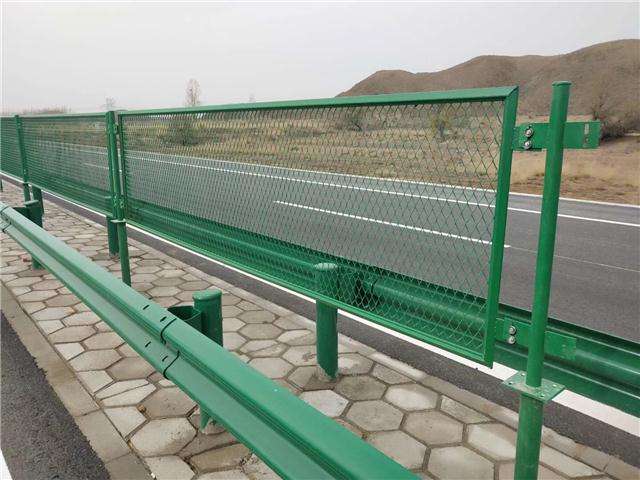
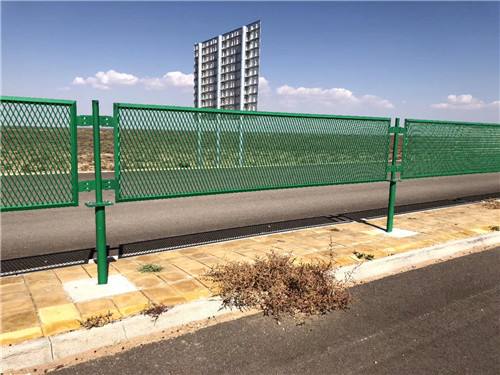
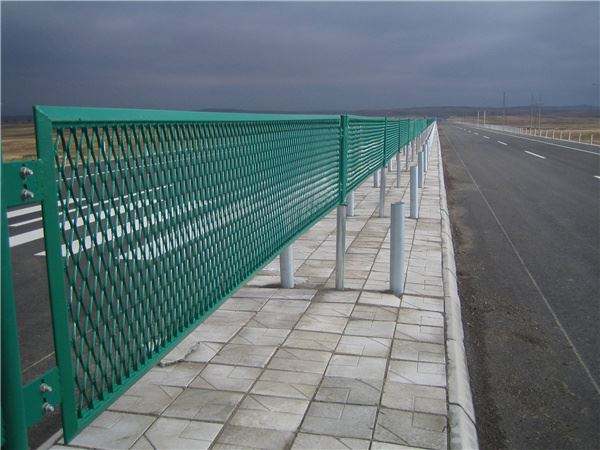
A fence that is not there to stop anyone. This screen sits along a highway median or a bridge parapet and breaks up the beam of an oncoming headlight, so that a driver is not looking down a tunnel of glare from the opposite carriageway. It is expanded metal, not woven or welded wire — a plate slit and stretched into a mesh — welded with special-section tube, side lugs and round tube, and fixed to hot-dip galvanised posts.
On this page: what the expanded metal screen does (01), the published material and finish rows (02), the two finish routes and the double layer (03), what the drawing fixes (04), packing, price and delivery (05), and four questions answered from this page (06).
A screen, not a barrier
The material is low-carbon steel plate or stainless steel plate, cut and stretched into expanded metal. That structure is the reason it works as a glare screen: the openings are angled and offset, so light arriving at a shallow angle from the opposite carriageway is broken up instead of passing through in a straight line. A plain mesh would let the beam through almost undiminished.
The screen is welded from expanded metal, special-section tube, side lugs and round tube, and it connects to hot-dip galvanised posts. The side lugs are the fixing points, and the special-section tube is what gives the panel an edge that can be bolted along a median or a bridge deck rather than hung like a fence panel.
Its use is specific: highway medians and bridges, where the screen has to cut headlight glare between opposing carriageways or along a bridge deck. It is not a substitute for the roadside barrier beside it — the beam systems are on the W-beam steel road guardrail page — and it is not a climbing barrier, which is the anti-climb Y-post fence.
Anti-glare mesh — material, build and finish
What is published here is the material, the welded build, the fixing and the finish options. Screen height, panel size and post spacing are not published: they follow the median or the deck, and they are confirmed from the drawing.
| Product / model reference | Anti-glare mesh — expanded metal glare screen and post system. Quotation against your drawing or the standard you follow; no catalogue model number is issued until the drawing is agreed. |
|---|---|
| Material | Low-carbon steel plate or stainless steel plate. |
| Type | Expanded metal structure, welded from expanded metal, special-section tube, side lugs and round tube. |
| Fixing | Connected to hot-dip galvanised posts. |
| Surface treatment | PVC dipping (coating, spraying or dipping), hot-dip galvanising or electro-galvanising; galvanised-plus-coated double layer where the exposure calls for it. |
| Screen height and panel size | Made to the project specification — send us the drawing or the standard you follow. |
| Post spacing | Made to the project specification — send us the drawing or the standard you follow. |
| Manufacturer's stated claim | 高效浸塑,十年防锈 — high-efficiency dipping, ten years anti-rust. The manufacturer's own claim for its dipping process, not a certificate; terms are agreed per order and stated on the proforma invoice. |
| Typical applications | Highway medians and bridges, to cut headlight glare. |
| Packing | Screens, posts and side lugs are bundled and palletised for container loading; the exact packing method is confirmed per specification with the loading plan. |
What the expanded metal and the finishes give you
- An expanding-metal screen. Plate is slit and stretched, so the openings are angled and offset — that is what breaks a headlight beam rather than passing it.
- Low-carbon or stainless steel plate. The material follows the exposure, with stainless chosen where the screen has to sit in a more aggressive atmosphere.
- A welded panel, not a hung sheet. Expanded metal is welded with special-section tube, side lugs and round tube into one rigid screen.
- Hot-dip galvanised posts. The screen connects to galvanised posts, so the fixings and the post carry the same protection as the panel.
- Three finishes. PVC dipping, hot-dip galvanising or electro-galvanising, chosen against the exposure.
- A double layer where it is needed. Galvanised plus coating, so the steel carries a galvanised base under the coating.
- A stated claim, honestly labelled. The manufacturer's dipping claim is given as a claim, not a certificate, and the terms are agreed per order.
Height, panel and post spacing follow the road
Screen height, panel size and post spacing are made to the project specification. That is not a shortage of data: a glare screen is set to the geometry it has to defeat — the height of the headlights on the carriageway it faces, the width of the median and the profile of the deck — so the dimensions belong to the road rather than to a catalogue.
Send us the drawing or the standard you follow, with the length of the run and the fixing detail along the median or parapet, and the screen build is confirmed in writing. On the finish, the manufacturer describes its dipping process as 高效浸塑,十年防锈 — high-efficiency dipping, ten years anti-rust. We quote that as the manufacturer's own claim for its process, not as a certificate: it is not issued as a test report or a third-party approval, and warranty terms are agreed per order and stated on the proforma invoice.
Screens, posts and side lugs packed together
Screens, posts and side lugs are bundled and palletised for container loading. Screens are flat and relatively light for their area, so they stack and strap well; the side lugs and the fixing set travel bagged against the drawing reference. The exact packing method is confirmed per specification with the loading plan.
| Packing | Screens, posts and side lugs are bundled and palletised for container loading; the exact packing method is confirmed per specification with the loading plan. |
|---|---|
| Price | Price: quoted per order — FOB Wuhan / Shanghai, CIF or DDP |
| MOQ | Confirmed per specification — send the drawing, quantity and destination port and we reply with MOQ, loading plan and lead time within one business day. |
| Loading | Confirmed per specification — send the drawing, quantity and destination port and we reply with MOQ, loading plan and lead time within one business day. |
| Lead time | Confirmed per specification — send the drawing, quantity and destination port and we reply with MOQ, loading plan and lead time within one business day. |
| Documentation | Proforma invoice, commercial invoice, packing list and certificate of origin as required. Buyers who need CE / EN / ASTM documentation: tell us the standard and we will confirm in writing what we can supply. |
| Payment and warranty | Payment terms and warranty are agreed per order and stated on the proforma invoice. |
Four questions, answered from this page
- What is the screen made of?
- Low-carbon steel plate or stainless steel plate, cut and stretched into expanded metal, then welded with special-section tube, side lugs and round tube into one screen and connected to hot-dip galvanised posts.
- Where is it used?
- On highway medians and bridges, to cut headlight glare between opposing carriageways or along a bridge deck.
- What finishes are available?
- PVC dipping — described as coating, spraying or dipping — hot-dip galvanising or electro-galvanising, with a galvanised-plus-coated double layer where the exposure calls for it.
- What does the ten-year claim mean?
- It is the manufacturer's own claim for its dipping process: 高效浸塑,十年防锈 — high-efficiency dipping, ten years anti-rust. It is not issued as a test report or a third-party approval, and warranty terms are agreed per order and stated on the proforma invoice.
- How are the screen size and post spacing set?
- Screen height, panel size and post spacing are made to the project specification and confirmed from your drawing or the standard you follow.
Related products
Three lines from the same roadside range
One workshop, one drawing set. Each plate opens the product page for that item.
-
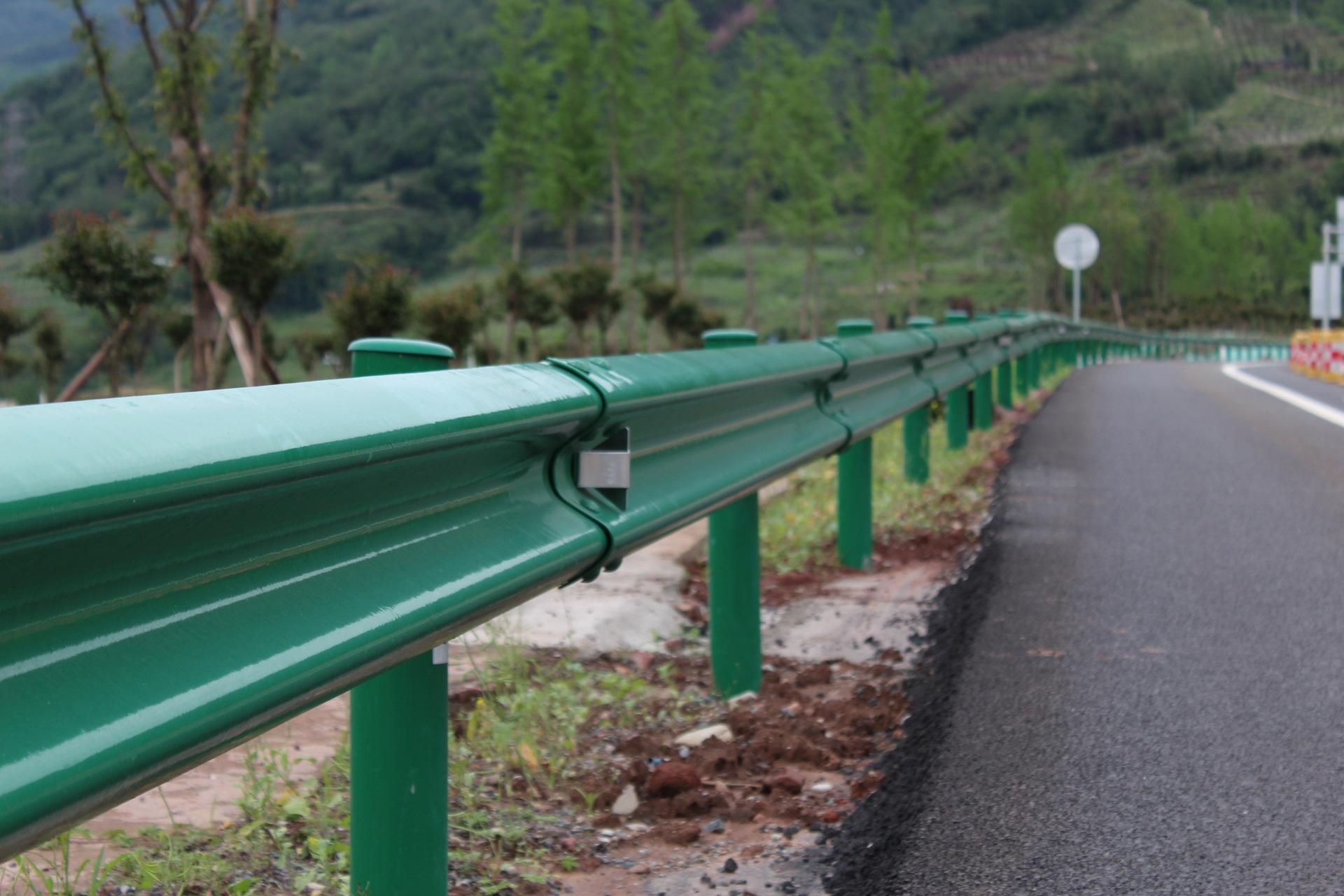
W-Beam Steel Road Guardrail
The corrugated beam barrier that runs beneath a median screen, to published JT/T 281—2007 figures.
View product → -
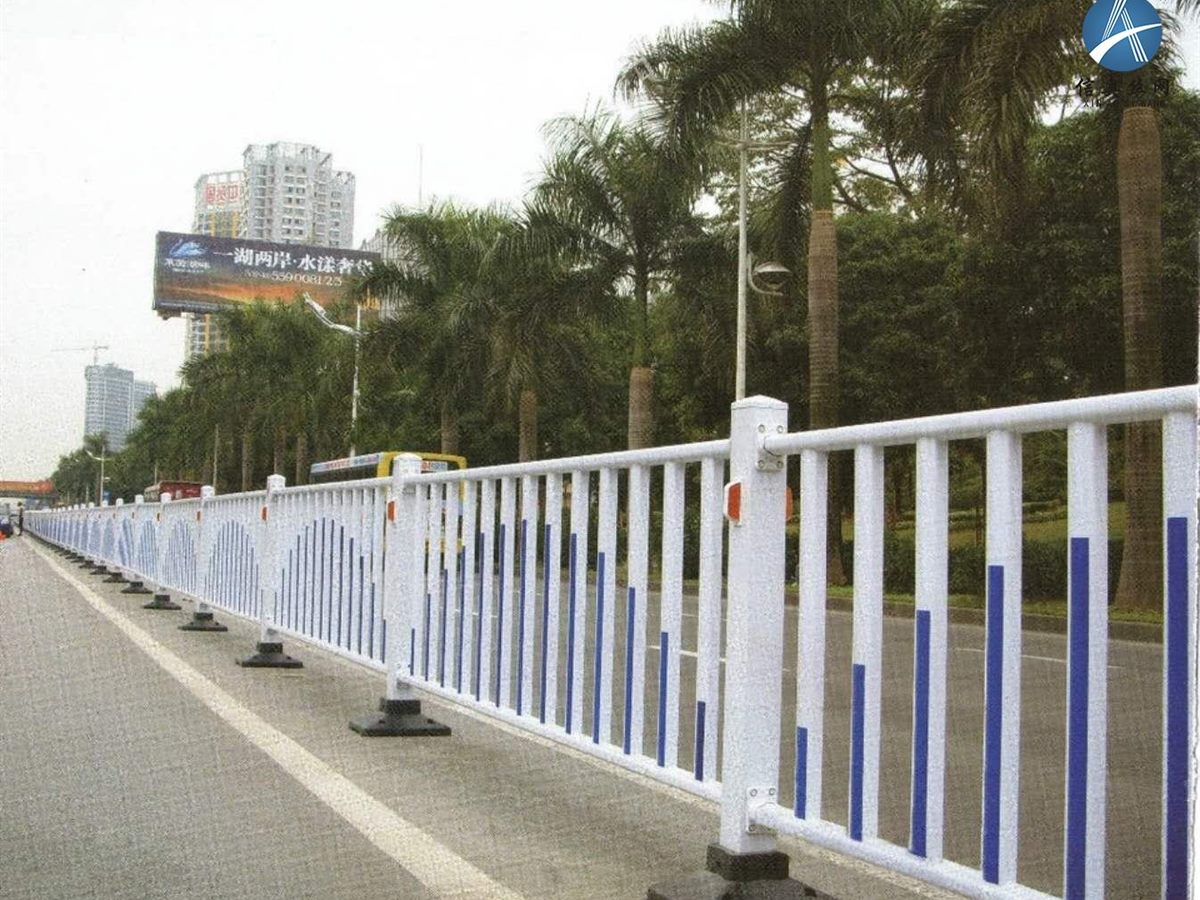
Road Guardrail
Barrier units and rail sections made to the project specification, not to the published beam standard.
View product → -
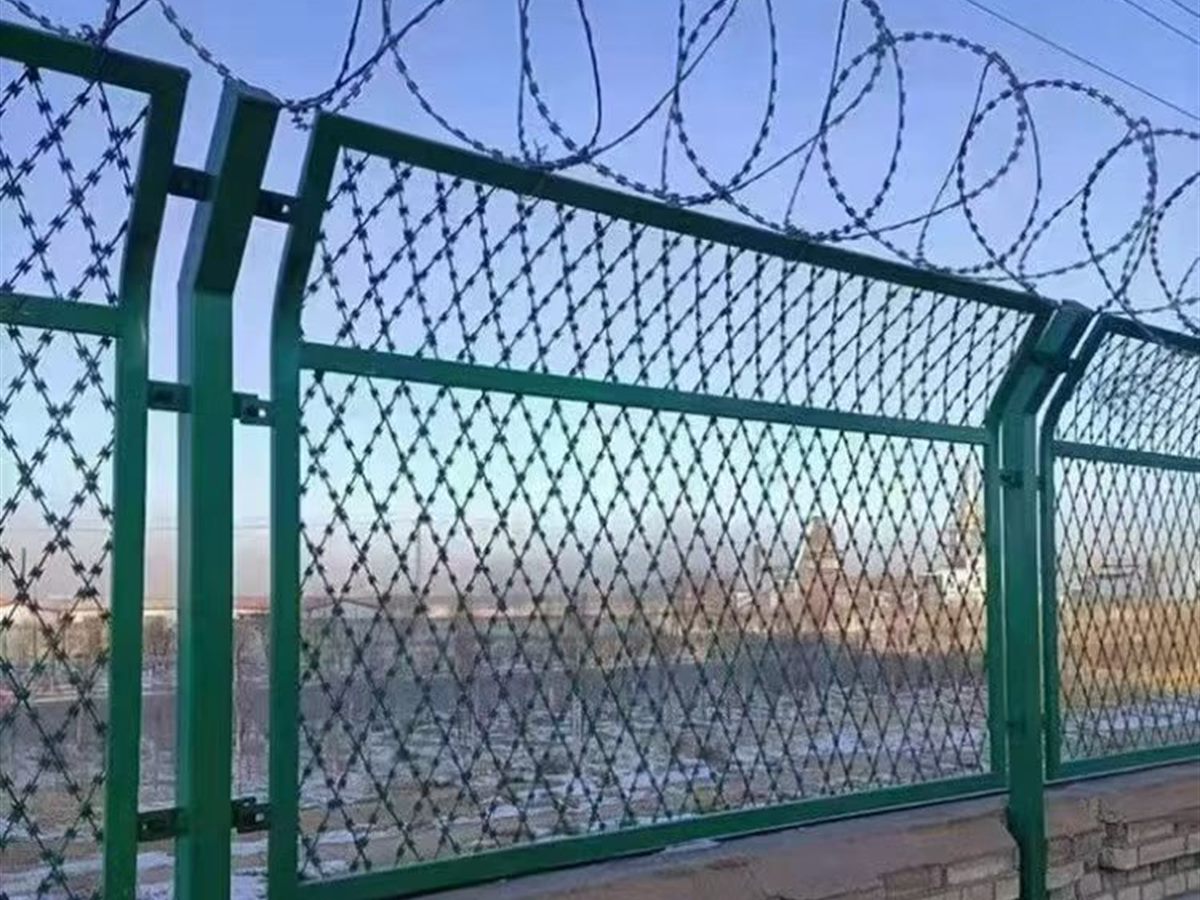
Anti-Climb Y-Post Fence
For a roadside boundary that has to resist climbing rather than cut glare.
View product →
Next step
Send the road drawing and the finish you want
Tell us the median or deck detail, the run length, the screen height you need, the material — low-carbon or stainless — the finish and the destination port. We reply within one business day with the specification, the MOQ, the loading plan and the lead time in writing.