
Guardrails & railings · 7 products in the family
Road Guardrail
The road barrier that is built to the drawing. This product covers roadside and median barrier units, beam and rail sections, posts and fixings, made to the project specification or to the standard the client names — a municipal detail, an authority's own barrier, a rail line, a section profile that is not a corrugated W-beam. It is a separate product from the standardised W-Beam Steel Road Guardrail, and no JT/T figures are quoted here, because this line is not that system and is never supplied against its standard.
On this page: what "made to the drawing" means here, and how it differs from the W-beam product (01), the specification rows that the drawing fills in (02), what the units and sections cover (03), what we need with the enquiry (04), packing, price and delivery (05), and four questions answered from this page (06).
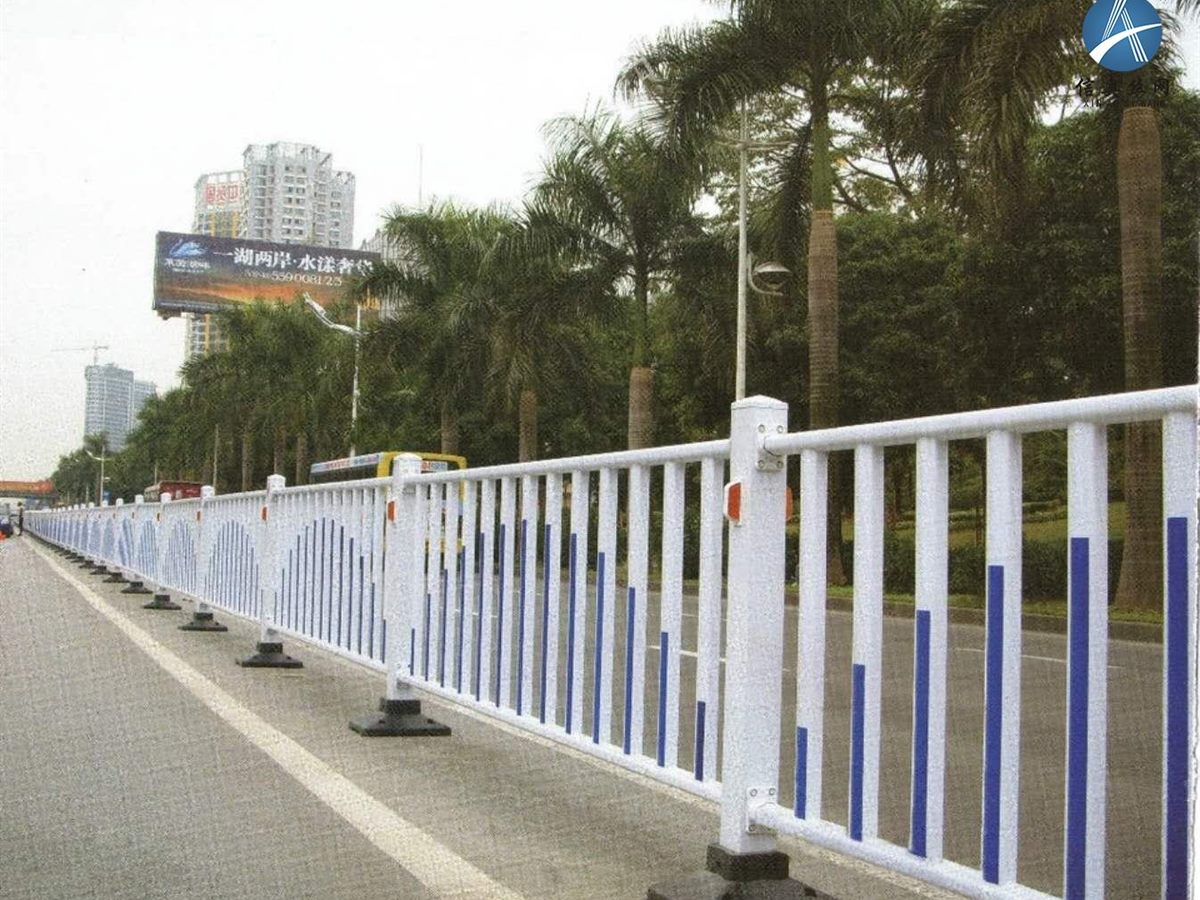
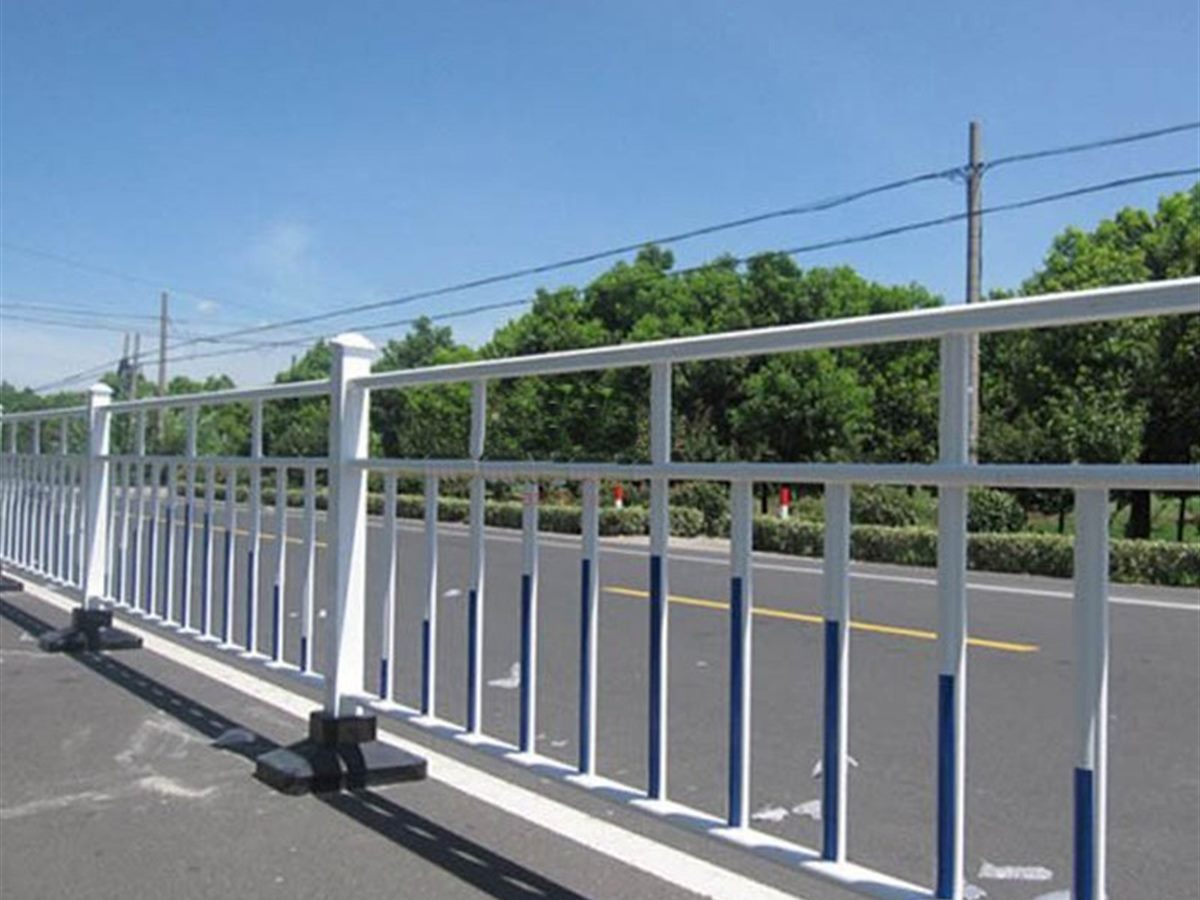
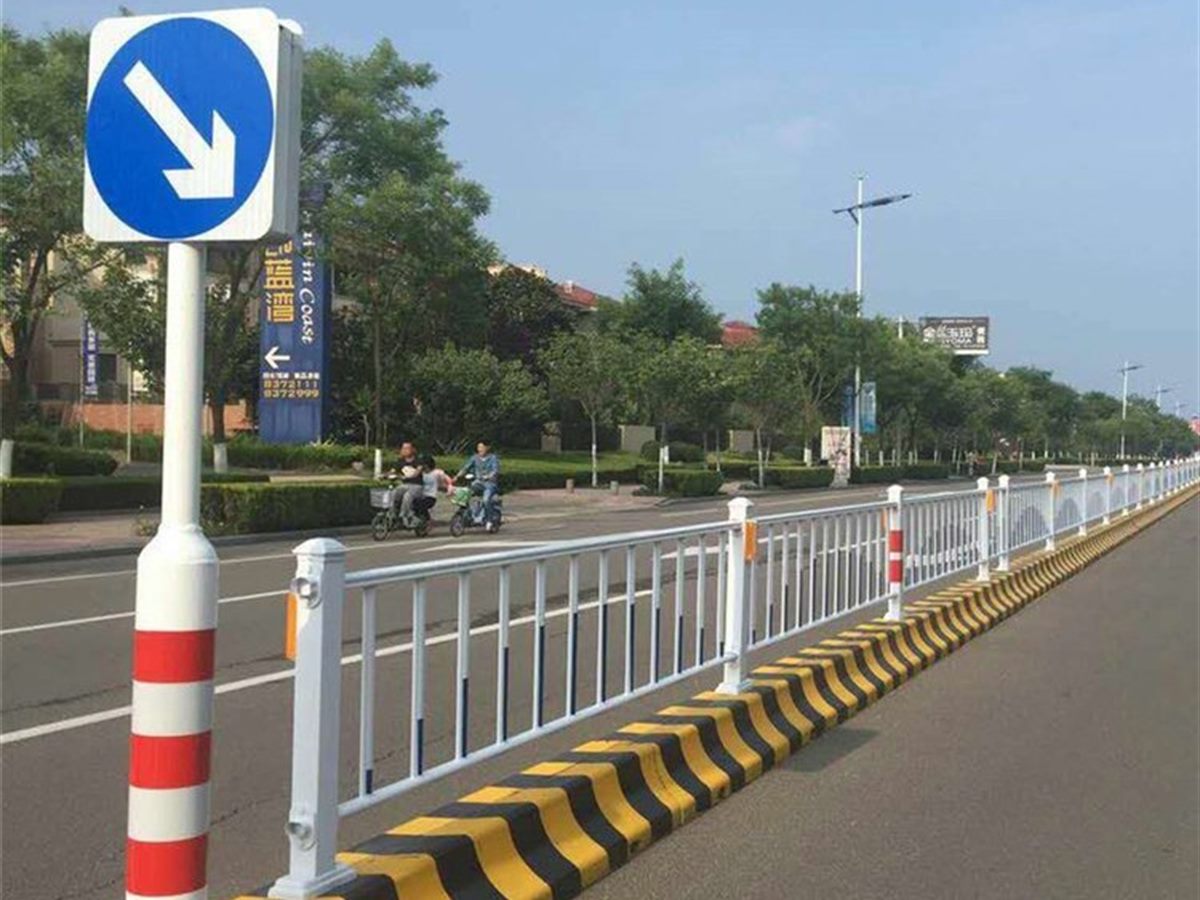
The project-specification road product, not the standardised one
A road edge is often specified by the authority that owns it, and that detail rarely matches a published beam system. This product exists for exactly that case: barrier units for a roadside or a median, beam and rail sections, posts and fixings, all made to the project specification or to the standard the client follows. What is quoted is what the drawing shows, in the sections and lengths the drawing shows them.
It is important not to confuse it with the W-Beam Steel Road Guardrail. That product is the standardised corrugated-beam system published against JT/T 281—2007, with fixed panel, beam, plate, post and per-kilometre figures. This product cites no such standard and publishes no such figures: the two have separate specifications, separate drawings and separate quotations, and a beam from one is never supplied against the other's drawing. If your specification names JT/T 281—2007 or a corrugated beam with a stated panel length and post spacing, the W-beam page is the right one; if the drawing shows a municipal barrier, a median unit or a rail section to the authority's own detail, this is the page.
What the two share is the purpose. Both take a vehicle impact and guide it along the line rather than through it; the difference is where the geometry comes from. Where a pedestrian rather than a vehicle has to be separated from the carriageway, the zinc-steel perimeter railing is the rail for that job.
Road guardrail — specification by drawing
There are no published figures for this product, and that is the defining difference from the W-beam system. Section sizes, unit lengths, plate thickness, post section, post spacing and finish are all read from the drawing and stated on the quotation, so nothing on this page can be mistaken for a standard dimension.
| Product / model reference | Road guardrail — roadside and median barrier units, beam and rail sections, posts and fixings, made to the project specification. |
|---|---|
| Specification source | The project drawing, or the standard named by the client or the road authority. No catalogue model number and no published dimension set are issued for this product. |
| Citable standard | None published for this product. No JT/T figures and no other standard's dimensions are quoted here; if a project names a standard, the build is confirmed in writing against it before production. |
| Barrier units | Roadside and median barrier units made to the drawing — unit length, section and weight confirmed against the drawing. |
| Beam and rail sections | Made to the drawing. The section profile, plate thickness and length come from the project detail rather than from a published beam table. |
| Posts and fixings | Made to the drawing; the footing or base detail is confirmed on the shop drawing against the ground condition. |
| Post spacing and run height | Confirmed on the order drawing. Not published as fixed figures for this product. |
| Finish | Made to the drawing or to the standard named for the project, and confirmed in writing per order. |
| Relationship to the W-beam product | Separate product. The W-beam Steel Road Guardrail is published against JT/T 281—2007 with fixed panel, beam, plate, post and per-kilometre figures; this product is not that system, quotes none of those figures, and is never supplied against the W-beam standard. |
| Packing | Barrier units, beam and rail sections, posts and fixings are bundled by type for shipping; banding, pallets and the exact bundle layout are confirmed per specification with the loading plan. |
What "to the project specification" covers
- Barrier units and rail sections. Roadside and median units, beam and rail sections, made in the profile the drawing shows rather than in a published one.
- Posts and fixings as part of the line. The post and its base detail are quoted with the units, against the ground the run stands on.
- A clean separation from the W-beam system. The two products are quoted, specified and drawn separately, and neither is supplied against the other's standard.
- No borrowed dimensions. Nothing on this page is presented as a standard figure, because the product is defined by the drawing.
- One reading of the same need. A vehicle is guided along the line rather than through it — the same purpose as a beam barrier, reached from a different specification.
- Works alongside the rest of the range. Median screens, railing and hoarding are quoted from the same workshop on one programme.
The drawing is the specification
Send the drawing or the standard the project follows, with the run length, the unit positions, the post detail and the finish. From those we confirm in writing the unit and section build, the post and fixing, the quantity and the packing. Nothing is taken from a catalogue, because there is no catalogue dimension set for this product — that is the point of it.
Two things need saying plainly, because they are where this page differs from the W-beam page. First, if the specification names JT/T 281—2007 or describes a corrugated beam with a stated panel length and post spacing, do not order from this page: we quote that as the W-beam product, from its published figures. Second, this page will not quote a dimension it has not been given. A municipal barrier detail that arrives as a drawing is quoted from the drawing; one that arrives as a description is returned with the questions that the drawing has to answer.
Bundled by type, loaded to a plan
Barrier units, beam and rail sections, posts and fixings are bundled by type for shipping, so a bundle can be identified on site from its marking rather than by opening it. Steel barrier is heavy for its volume, so the loading plan is built on the weights the drawing produces. The exact packing method and bundle layout are confirmed per specification with the loading plan.
| Packing | Barrier units, beam and rail sections, posts and fixings are bundled by type for shipping; banding, pallets and the exact bundle layout are confirmed per specification with the loading plan. |
|---|---|
| Price | Price: quoted per order — FOB Wuhan / Shanghai, CIF or DDP |
| MOQ | Confirmed per specification — send the drawing, quantity and destination port and we reply with MOQ, loading plan and lead time within one business day. |
| Loading | Confirmed per specification — send the drawing, quantity and destination port and we reply with MOQ, loading plan and lead time within one business day. |
| Lead time | Confirmed per specification — send the drawing, quantity and destination port and we reply with MOQ, loading plan and lead time within one business day. |
| Documentation | Proforma invoice, commercial invoice, packing list and certificate of origin as required. Buyers who need CE / EN / ASTM documentation: tell us the standard and we will confirm in writing what we can supply. |
| Payment and warranty | Payment terms and warranty are agreed per order and stated on the proforma invoice. |
Four questions, answered from this page
- Is this the same as the W-beam steel road guardrail?
- No. They are two separate products. The W-beam Steel Road Guardrail is the standardised corrugated-beam system published against JT/T 281—2007. This Road Guardrail is made to the project specification from barrier units, beam and rail sections, posts and fixings. Separate specifications, separate drawings, separate quotations.
- Why are there no dimensions on this page?
- Because none are published for this product. Section sizes, unit lengths, plate thickness, post section, post spacing and finish are read from the drawing and stated on the quotation.
- Can you quote to JT/T 281—2007 from this page?
- No — that standard belongs to the W-beam product. If your specification names it, tell us and we quote the W-beam Steel Road Guardrail from its published figures instead.
- What do you need to quote?
- The drawing or the standard the project follows, the run length, the unit positions, the post and base detail, the finish and the destination port. The build and the quantities are confirmed in writing from those.
- Can it be supplied with railing or median screens?
- Yes. Railing, median screens and hoarding are made in the same workshop and can be quoted as one programme with one loading plan.
Related products
Two road lines, kept apart
The first plate is the other road product — a different system with its own standard. Each plate opens the product page for that item.
-
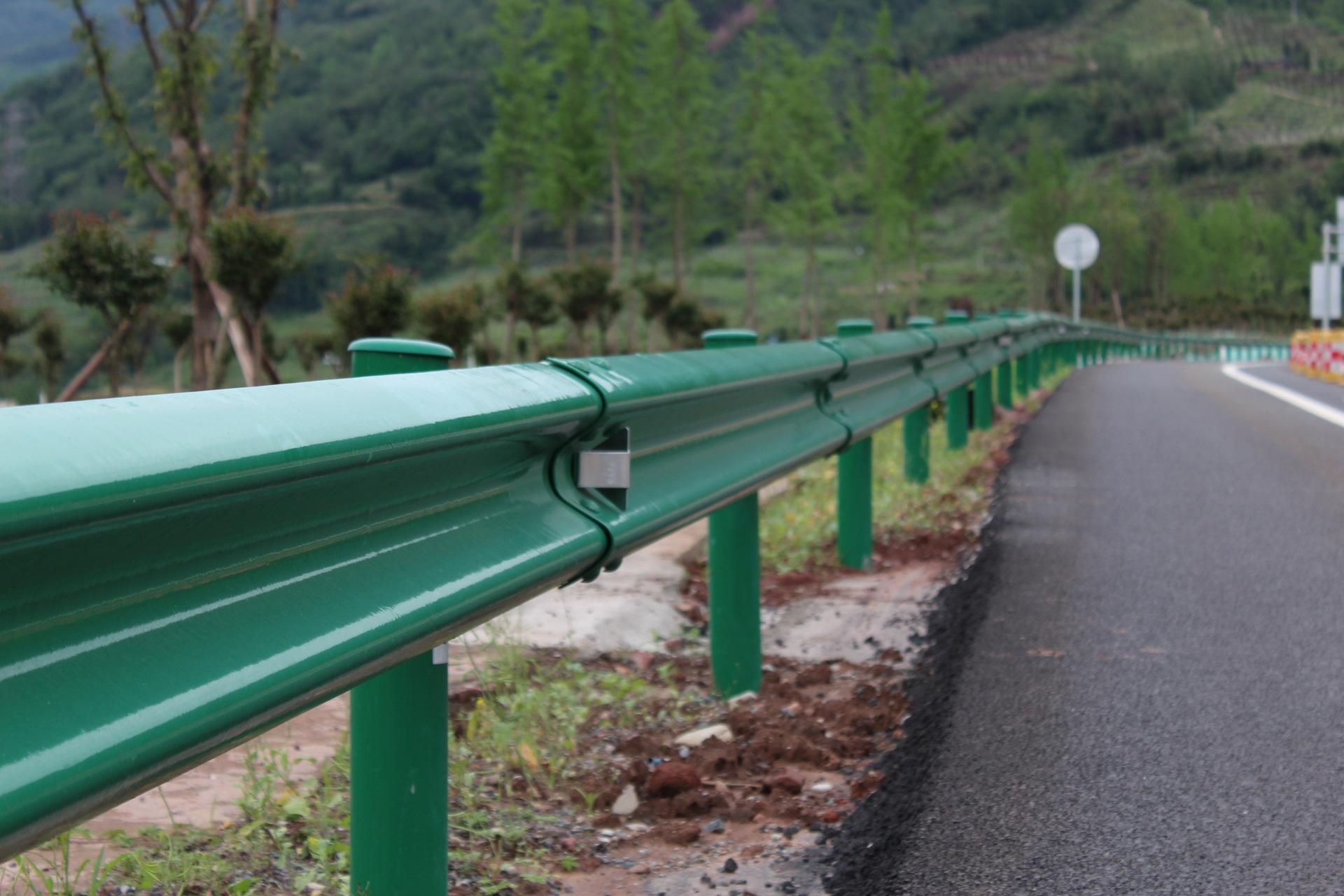
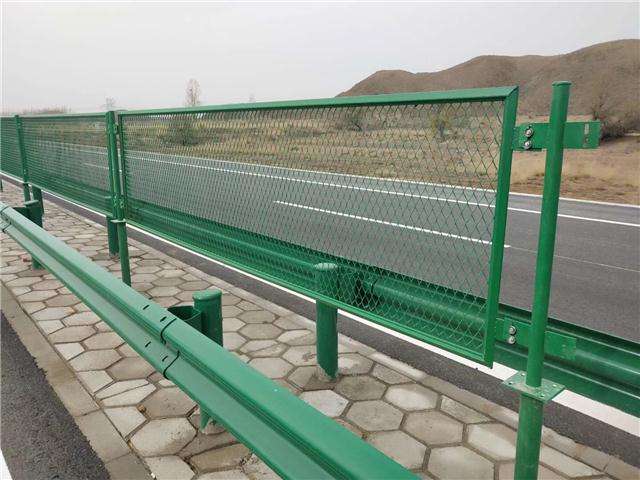
W-Beam Steel Road Guardrail
The separate standardised product, published against JT/T 281—2007. Not interchangeable with this page.
View product → -
-
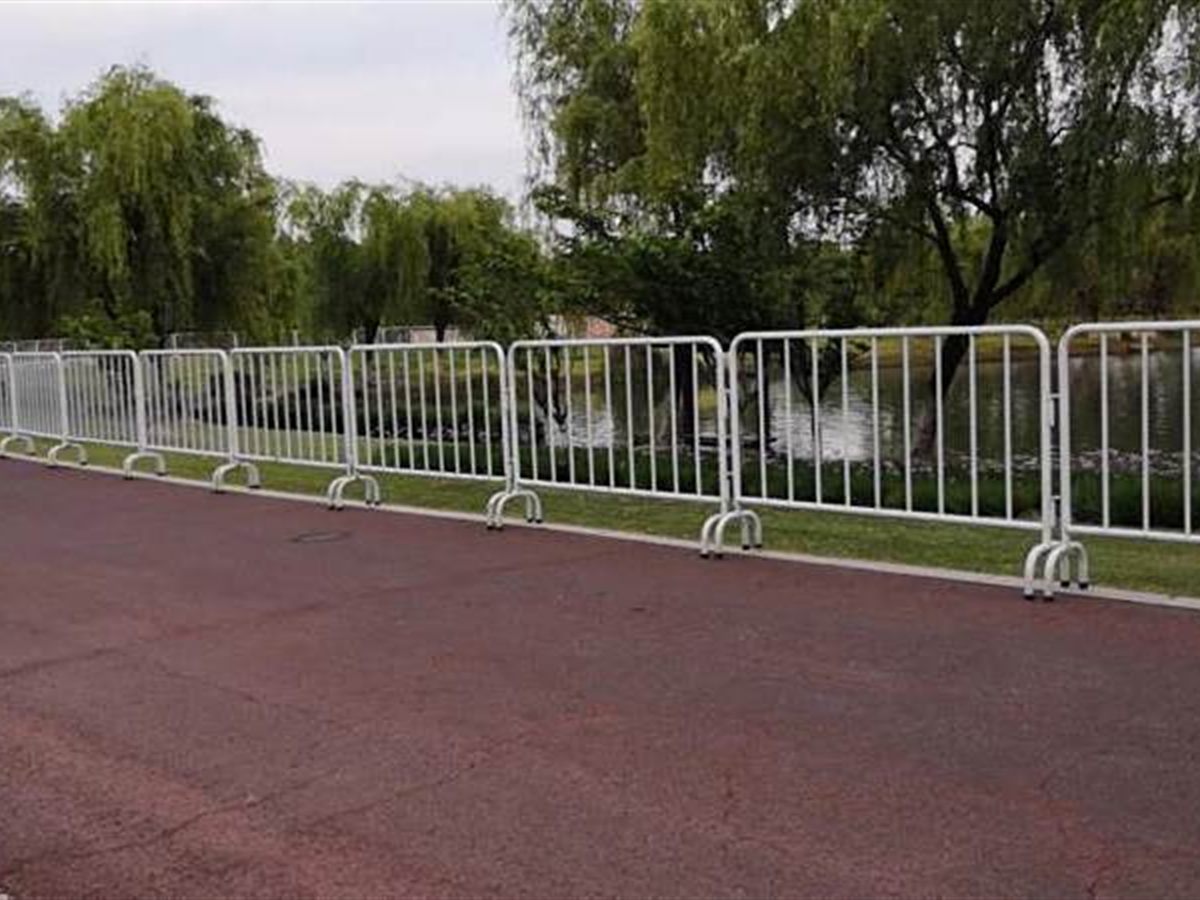
Crowd-Control Barrier
For people rather than vehicles — movable sections on removable feet.
View product →
Next step
Send the drawing or the standard you follow
Tell us the barrier detail, the unit positions, the run length, the post and base detail, the finish and the destination port. If the specification names JT/T 281—2007, say so and we will quote the W-beam product instead. We reply within one business day with the specification, the MOQ, the loading plan and the lead time in writing.