
Guardrails & railings · 7 products in the family
Planter Railing
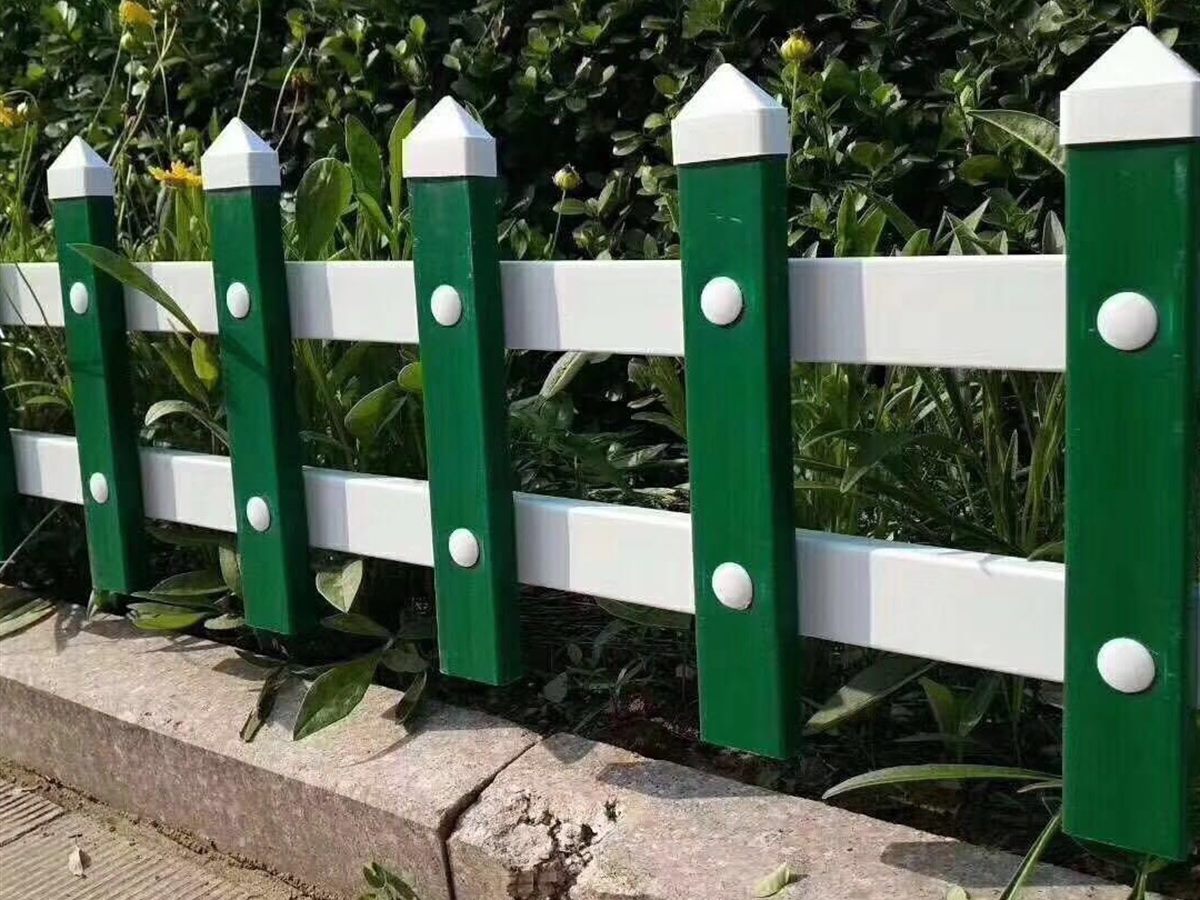
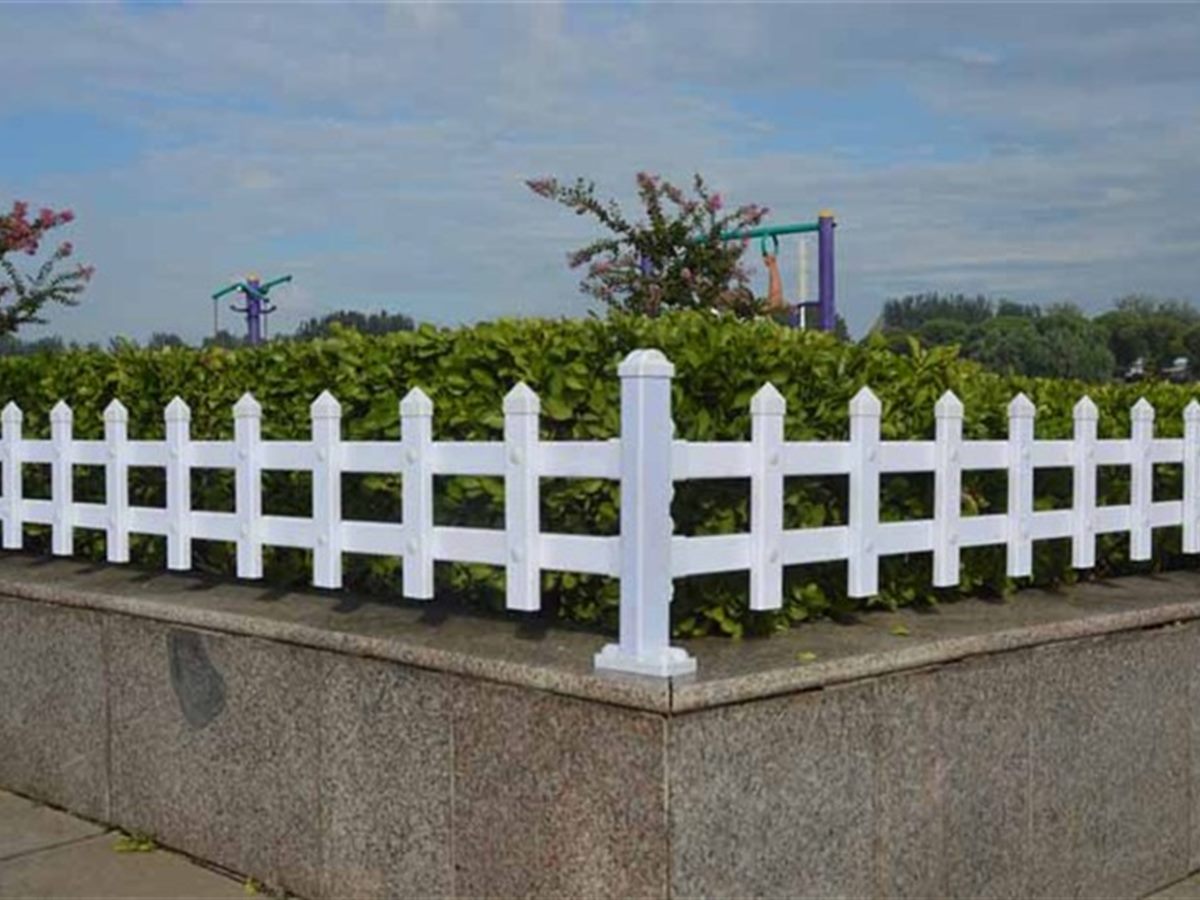
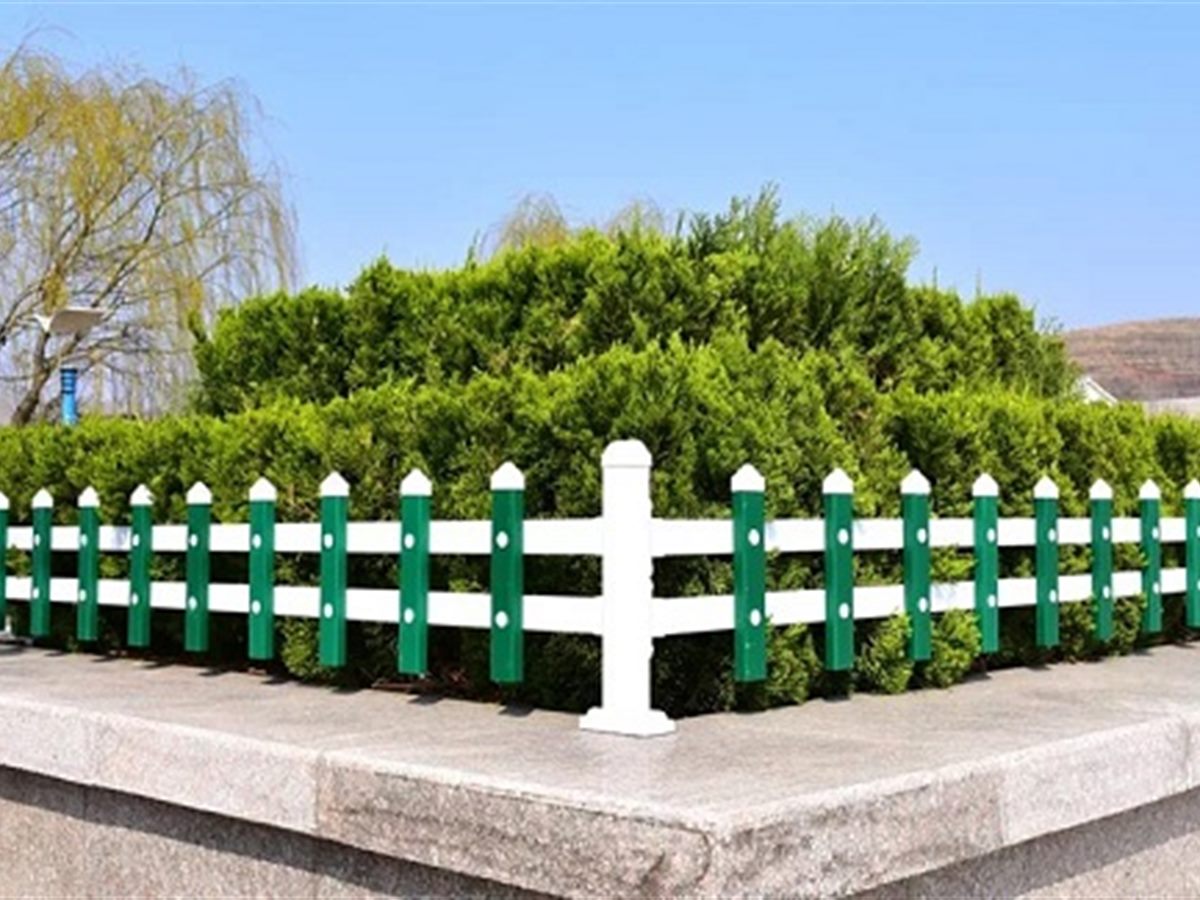
A railing with a quiet job. It goes round a planter, a lawn, a planted bed or a green belt and does three small things: stops pedestrians cutting across the planting, stops a car or a scooter parking on it, and gives the kerb a defined edge. It is deliberately lower than a boundary railing, because it is not there to stop anyone who actually tries to get through.
On this page: what a low rail is for and what it is not (01), the published material and layout rows (02), how coated steel and PVC differ in use (03), what the drawing has to carry (04), packing, price and delivery (05), and four questions answered from this page (06).
Low on purpose
Height is the whole design argument here. A rail that is too tall turns a planted bed into a compound and hides the planting it was meant to frame; a rail that is too low does nothing about a scooter wheel. The published product carries no run, height or section figures, so both ends of that balance are set on the drawing rather than argued from a catalogue.
The material is coated steel or PVC, and the choice is usually made by where the bed sits. Coated steel is the usual answer along a road or on a street where the railing takes knocks and has to hold its shape over a long run. PVC is chosen where the planting scheme leads and the railing should read as part of the landscape and keep its colour without repainting — the PVC railing page carries that material in more detail.
What it is not matters as much. The published specification is explicit that this is not a vehicle impact, crowd control or boundary security product, and it names what is quoted instead: the road guardrail, the crowd-control barrier and the zinc-steel perimeter railing. A planter rail that gets used as a barrier is a rail that was specified for the wrong job.
Planter railing — material and layout
This is a made-to-drawing product, so the table is a list of decisions rather than a list of numbers. Each row is filled from the drawing and confirmed on the shop drawing before production.
| Product / model reference | Planter railing (花坛护栏) — low railing for planters, lawns and green belts. |
|---|---|
| Material | Coated steel or PVC — made to the project specification. |
| Run | Made to the project specification — send us the drawing or the standard you follow. |
| Height | Made to the project specification — send us the drawing or the standard you follow. |
| Colour | Made to the project specification — send the colour reference or a sample and it is confirmed on the shop drawing. |
| Layout | Curved runs, stepped kerbs and changes of level are set out on the drawing. |
| Post spacing and fixing | Made to the project specification — confirmed on the shop drawing. |
| Typical use | Planters, lawns, planted beds, roadside green belts and community planting. |
| Not intended for | Vehicle impact, crowd control or boundary security — for those, the road guardrail, the crowd-control barrier and the zinc-steel perimeter railing in the same family are quoted instead. |
| Packing | Rails, posts and fittings are bundled and palletised for container loading; the exact packing method is confirmed per specification with the loading plan. |
What a low rail does well
- Keeps the planting clear. Pedestrians stop cutting the corner and scooters stop parking in the bed.
- Defines the kerb edge. A street planting strip reads as a place rather than as leftover paving.
- Deliberately low. It frames the bed instead of walling it in, which is why it is not a security line.
- Two materials, two habits. Coated steel for a knocked-about roadside run; PVC where the planting leads and colour has to hold without repainting.
- Set out to the layout. Curved runs, stepped kerbs and changes of level are drawn rather than improvised on site.
- An honest scope. The published specification says plainly what this rail is not for, and names the products quoted for those duties.
The bed layout is the specification
Send the layout of the beds with the run in metres, the height you want, whether the railing follows a kerb or stands at the back of the planting, the colour reference and the destination port, and the sections, the post spacing and the colour are confirmed on the shop drawing. Where the bed curves, steps or changes level, that geometry goes on the drawing too — it is the part of a planter rail that a standard bay cannot cover.
Colour is confirmed against a reference or a physical sample rather than a name, because a green rail against a planting scheme is judged in daylight and not on a screen. The post fixing follows the same rule: into a kerb, into paving and into open ground are three details, and the one the site has is the one that gets drawn.
Rails and posts, bundled for a short run
Rails, posts and fittings are bundled and palletised for container loading, with the posts and the fixing set bagged against the drawing reference. The exact packing method is confirmed per specification with the loading plan, because short runs and mixed bed sizes are packed together rather than as one product line.
| Packing | Rails, posts and fittings are bundled and palletised for container loading; the exact packing method is confirmed per specification with the loading plan. |
|---|---|
| Price | Price: quoted per order — FOB Wuhan / Shanghai, CIF or DDP |
| MOQ | Confirmed per specification — send the drawing, quantity and destination port and we reply with MOQ, loading plan and lead time within one business day. |
| Loading | Confirmed per specification — send the drawing, quantity and destination port and we reply with MOQ, loading plan and lead time within one business day. |
| Lead time | Confirmed per specification — send the drawing, quantity and destination port and we reply with MOQ, loading plan and lead time within one business day. |
| Documentation | Proforma invoice, commercial invoice, packing list and certificate of origin as required. Buyers who need CE / EN / ASTM documentation: tell us the standard and we will confirm in writing what we can supply. |
| Payment and warranty | Payment terms and warranty are agreed per order and stated on the proforma invoice. |
Four questions, answered from this page
- What is a planter railing for?
- It keeps pedestrians from cutting across a planted bed and a car or scooter from parking on it, and it gives the kerb a defined edge without making the planting look enclosed.
- What is it made from?
- Coated steel or PVC, made to the project specification. Coated steel is usual along a road where the rail takes knocks; PVC is chosen where the planting scheme leads.
- What height and run are published?
- None. Run, height and colour are made to the project specification, and the layout — curved runs, stepped kerbs and changes of level — is set out on the drawing.
- Can it be used as a barrier?
- No. It is not a vehicle impact, crowd control or boundary security product. For those duties the road guardrail, the crowd-control barrier and the zinc-steel perimeter railing are quoted instead.
- How is the colour fixed?
- By reference or physical sample, confirmed on the shop drawing, rather than by a colour name alone.
Related products
Three rails for the same street
One workshop, one drawing set. Each plate opens the product page for that item.
-
PVC Railing
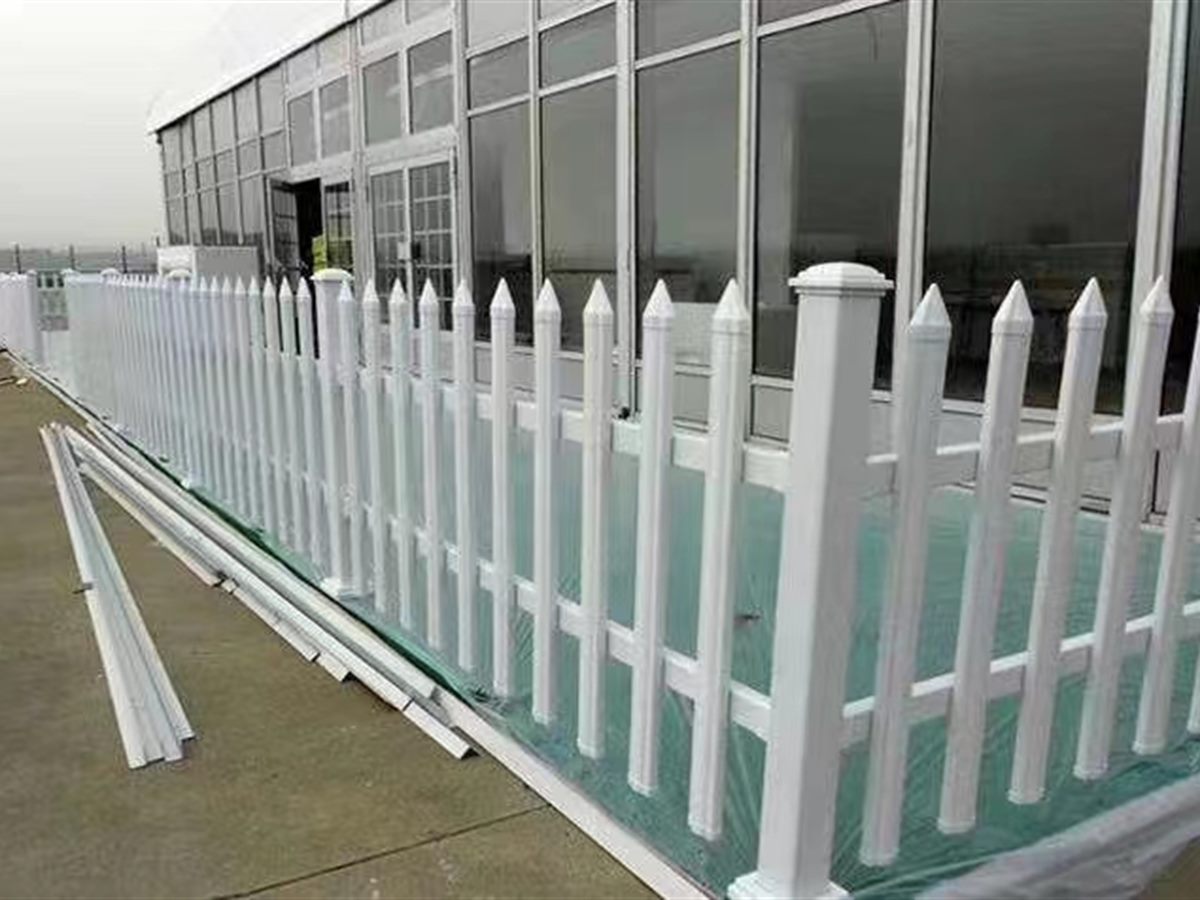
36 × 56 mm profile rails and three post sizes, for green belts and community edges.
View product → -
Zinc-Steel Perimeter Railing
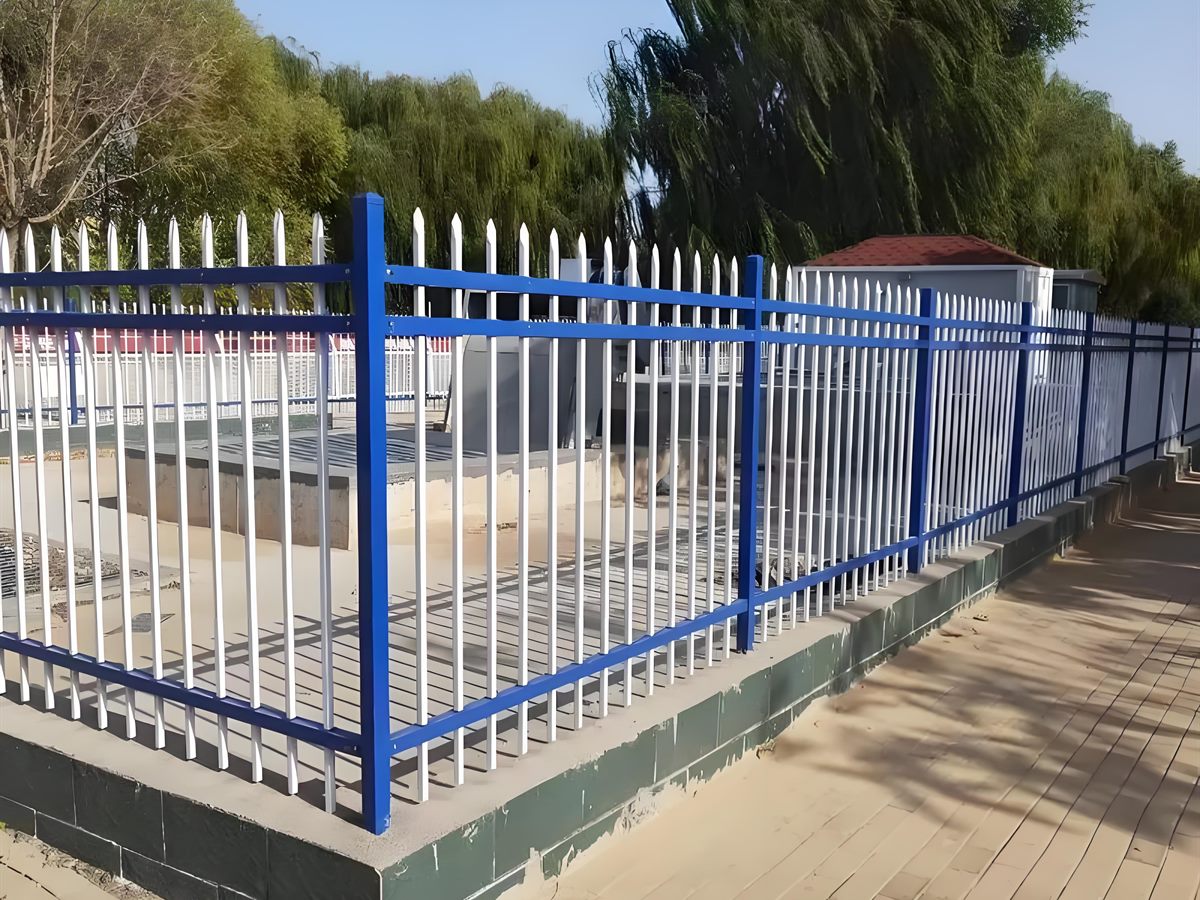
The taller boundary line, bolted in 1.8 m × 3 m sections.
View product → -
Excavation Edge Guardrail
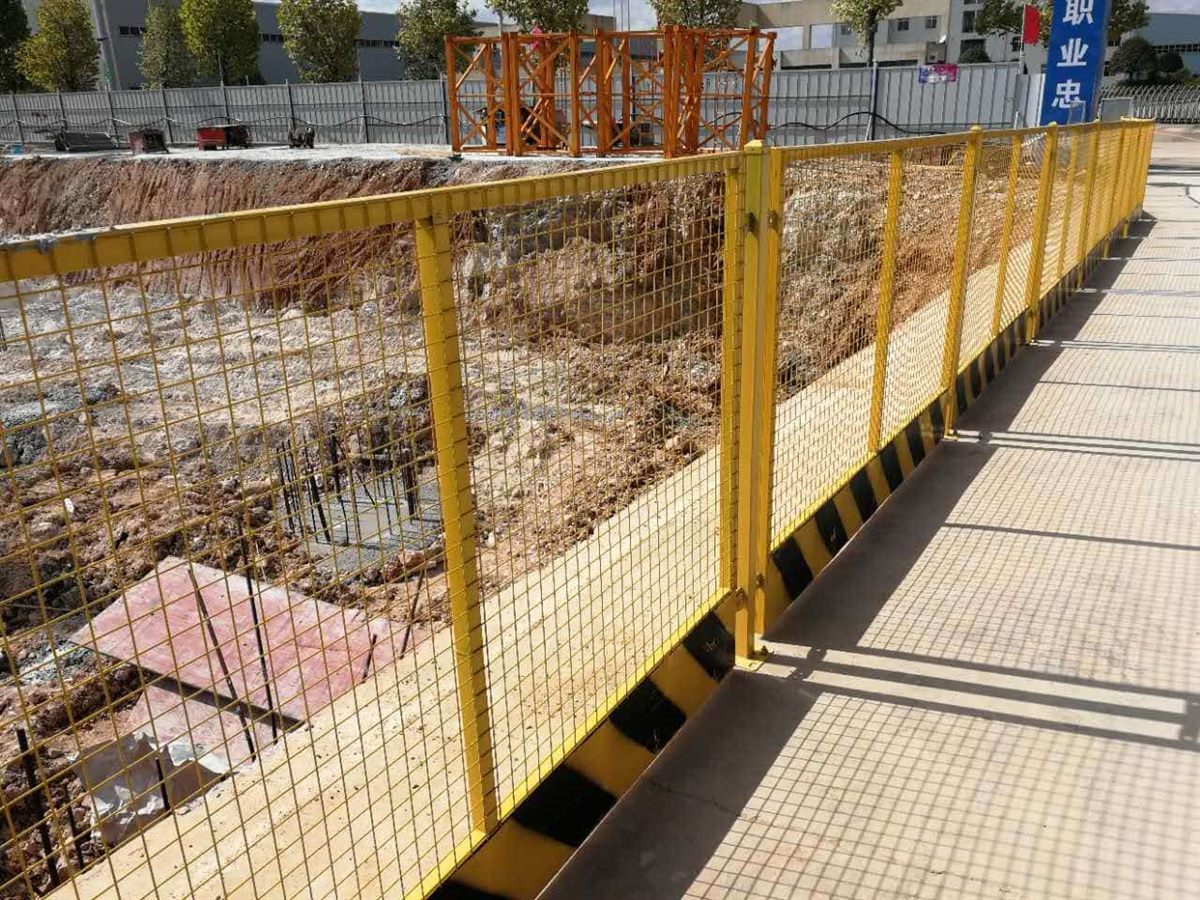
Edge protection for the open side of a pit, in mesh-panel or vertical-tube build.
View product →
Next step
Send the bed layout and the colour reference
Tell us the run in metres, the height, whether the rail follows a kerb or stands behind the planting, the material, the colour reference and the destination port. We reply within one business day with the specification, the MOQ, the loading plan and the lead time in writing.