
Wire mesh fencing · 9 products in the family
Double-Wire Mesh Fence
Two horizontal wires and a single vertical wire, welded into one rigid panel. That pairing is the whole idea: the doubled horizontals resist a push or a lean, the single verticals keep the aperture regular, and the panel arrives flat and stays flat. Posts are round or square, the finish is hot-dip galvanised, powder coated over galvanised steel or PVC dipped, and the mesh is made to the project rather than to a catalogue.
On this page: the construction and where it is used (01), the published figures and the rows that are set by the drawing (02), what the twin-wire build gives you (03), what we need on the drawing (04), packing, price and delivery (05), and four questions answered from this page (06).
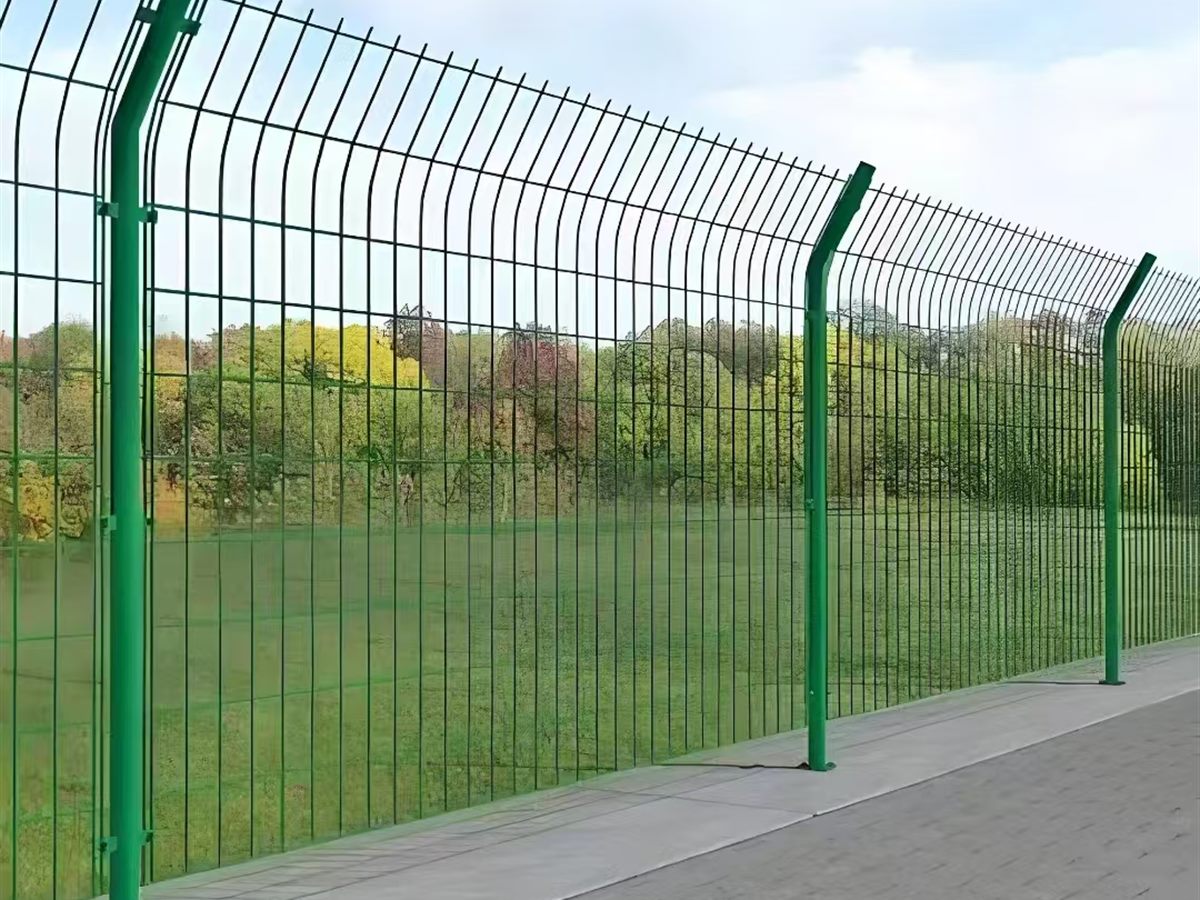
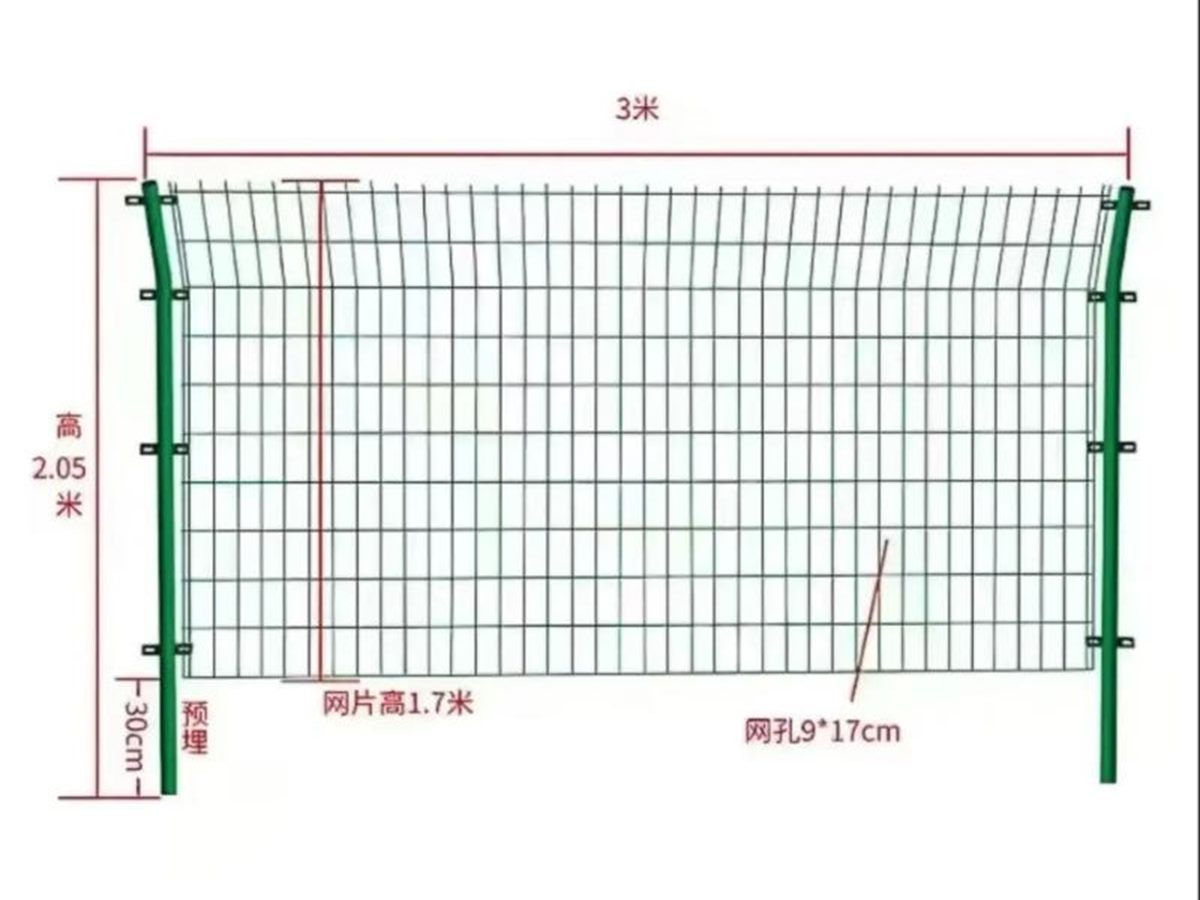
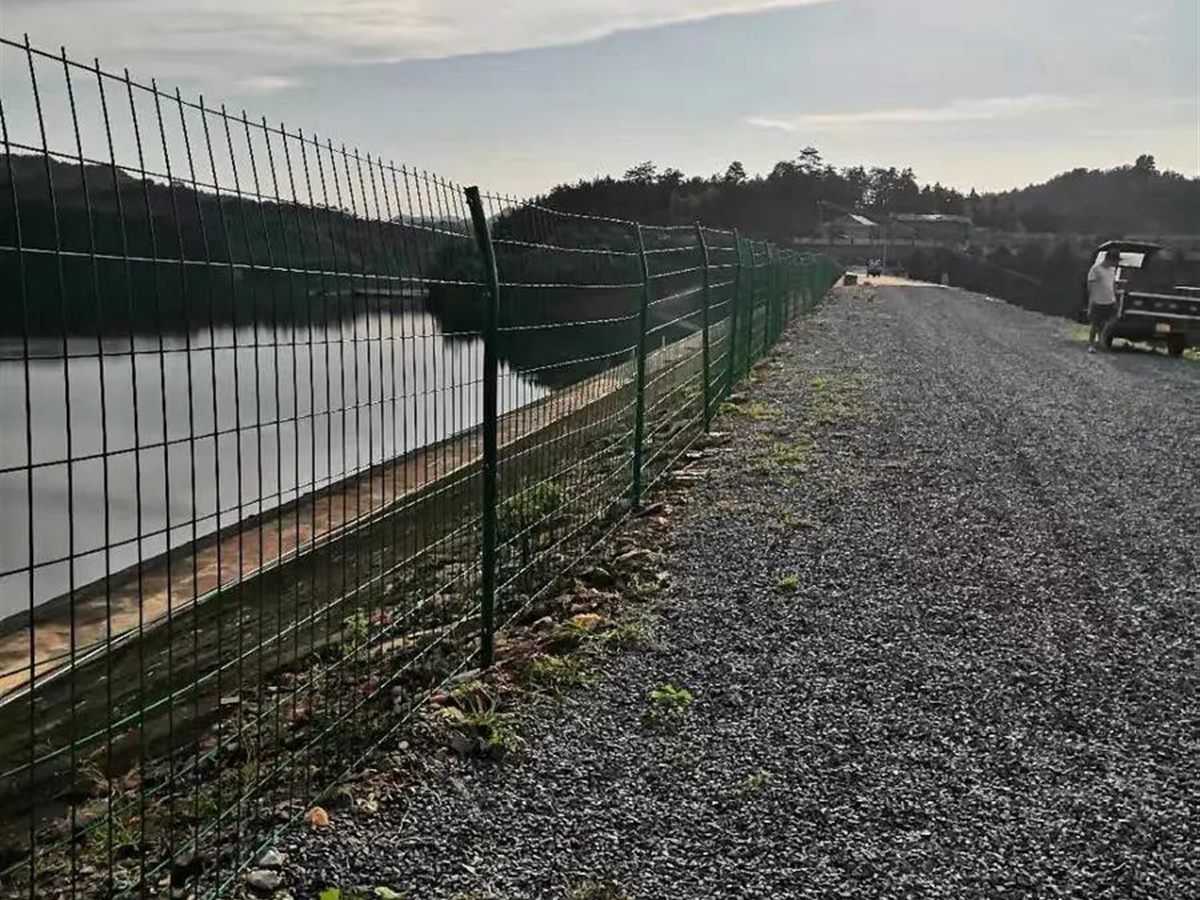
A rigid panel that arrives already flat
The panel is welded, not woven, and it is welded from an unusual pattern: two wires run horizontally where one would normally do, and a single wire runs vertically through them. The doubled horizontal line is what holds the panel's shape, so it does not bow between posts and does not open up where someone leans on it. Square or rectangular apertures are both possible, and the panel is light enough to be carried and set by hand.
That combination puts it in front of residential perimeters, industrial plants, roads, railways, airports and sports courts — a boundary that has to look neat and behave rigidly, without the mass of a palisade. Where the line is long, open ground and the ground is uneven, the woven chain-link fence is more forgiving; where the line has to resist climbing rather than leaning, the anti-climb Y-post fence is the better build.
What is not published here is equally deliberate. This family spans so many site conditions that mesh aperture, wire diameter, post section and post spacing are not fixed in a catalogue — they are made to the project specification, and the panel and post build is confirmed in writing against the drawing before production.
Double-wire mesh fence — fixed rows and open rows
The table separates what is published from what is quoted against your drawing. The rows marked "made to the project specification" are not gaps in the data: they are decisions that belong to the drawing, and they are filled in from it rather than assumed.
| Product / model reference | Double-wire mesh fence — welded panel and post system. Quotation against your drawing or the standard you follow; no catalogue model number is issued until the drawing is agreed. |
|---|---|
| Material and finish | Hot-dip galvanised or galvanised-and-powder-coated steel wire; PVC dipped option. Post finish to match, confirmed on the shop drawing. |
| Panel / post construction | Double horizontal wires with a single vertical wire, welded into a rigid panel; square or rectangular mesh; round or square posts with clamps and post caps. |
| Mesh aperture | Made to the project specification — send us the drawing or the standard you follow. |
| Wire diameter | Made to the project specification — send us the drawing or the standard you follow. |
| Post section | Round / square, made to specification; post spacing confirmed against the drawing. |
| Surface | Hot-dip galvanised, powder coated or PVC dipped. |
| Panel height | 1.0–3.0 m (project specific). |
| Colour | RAL to sample — send the reference or a physical sample and we confirm the coating on the shop drawing. |
| Packing | Panels, posts and clamps are bundled and palletised for container loading; the exact packing method is confirmed per specification with the loading plan. |
What the twin-wire build gives you
- A panel that holds its line. Two horizontal wires and one vertical wire welded together produce a face that stays straight and tight between posts.
- Strength where it is pushed. The doubled horizontal is the member that takes a lean or a shove, which is why the build suits exposed perimeters.
- Square or rectangular mesh. The aperture shape is a project choice, not a factory default.
- Round or square posts. Fixed to the panel with clamps and supplied with matching caps, so the post detail follows the drawing.
- Three finishes. Hot-dip galvanised; galvanised and powder coated; or PVC dipped for a thicker, softer-looking coating.
- Panel height 1.0–3.0 m. Stated as project specific, because the height follows the boundary rather than the other way round.
- Colour to RAL sample. Send the reference or a physical sample and the coating is confirmed on the shop drawing.
What the drawing has to tell us
Four things turn this fence from a description into an order: the mesh aperture, the wire diameter, the post section and the post spacing. None of them is published, and none of them is guessed. Send the drawing or the standard you follow and the panel and post build comes back in writing, with the aperture and the wire stated as they will be made.
The run itself supplies the rest. Gates, corner posts and bracing are quoted with the fence line, so the opening widths and the corner positions go on the drawing with the overall length. Height is confirmed at the same time — 1.0–3.0 m is the published band, and the exact figure belongs to the boundary, the ground and whatever the site has to keep in or out.
How the panels, posts and clamps travel
Panels, posts and clamps are bundled and palletised for container loading, with the clamps and caps bagged separately so they are not lost in the bundle. Panels stack flat and posts bundle long, so the load is planned as two blocks rather than one mixed stack, and the exact packing method is confirmed per specification with the loading plan.
| Packing | Panels, posts and clamps are bundled and palletised for container loading; the exact packing method is confirmed per specification with the loading plan. |
|---|---|
| Price | Price: quoted per order — FOB Wuhan / Shanghai, CIF or DDP |
| MOQ | Confirmed per specification — send the drawing, quantity and destination port and we reply with MOQ, loading plan and lead time within one business day. |
| Loading | Confirmed per specification — send the drawing, quantity and destination port and we reply with MOQ, loading plan and lead time within one business day. |
| Lead time | Confirmed per specification — send the drawing, quantity and destination port and we reply with MOQ, loading plan and lead time within one business day. |
| Documentation | Proforma invoice, commercial invoice, packing list and certificate of origin as required. Buyers who need CE / EN / ASTM documentation: tell us the standard and we will confirm in writing what we can supply. |
| Payment and warranty | Payment terms and warranty are agreed per order and stated on the proforma invoice. |
Four questions, answered from this page
- How is a double-wire panel built?
- Two horizontal wires and a single vertical wire are welded into a rigid panel. The mesh can be square or rectangular, and the panel is fixed to round or square posts with clamps and matching caps.
- Is the mesh aperture fixed?
- No. Mesh aperture, wire diameter and post spacing are made to the project specification — send the drawing or the standard you follow and the build is confirmed in writing.
- What finishes and colours are available?
- Hot-dip galvanised, galvanised and powder coated, or PVC dipped. Colour is RAL to sample: send the reference or a physical sample and the coating is confirmed on the shop drawing.
- How tall can the fence be?
- Panel height is published at 1.0–3.0 m, project specific, with the exact height confirmed against the boundary on the drawing.
- Are gates and corners included?
- Gates, corner posts and bracing are quoted with the fence run. Tell us the opening widths and the corner positions and the gate posts are confirmed on the drawing.
Related products
Three mesh lines from the same workshop
Same drawing set, same loading plan. Each plate opens the product page for that item.
-
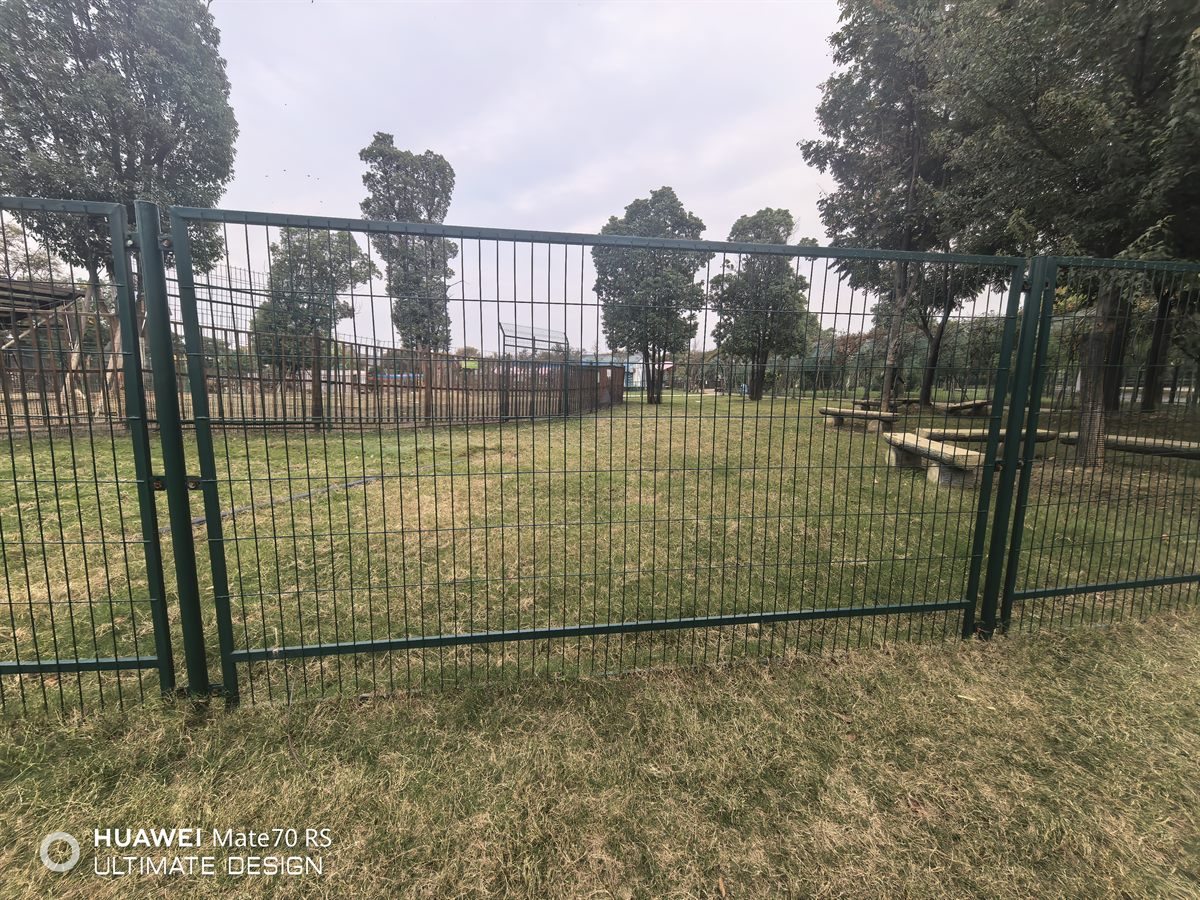
Peach-Post Mesh Fence
Welded panels on peach-shaped posts, with matching caps and clips for a domestic perimeter.
View product → -
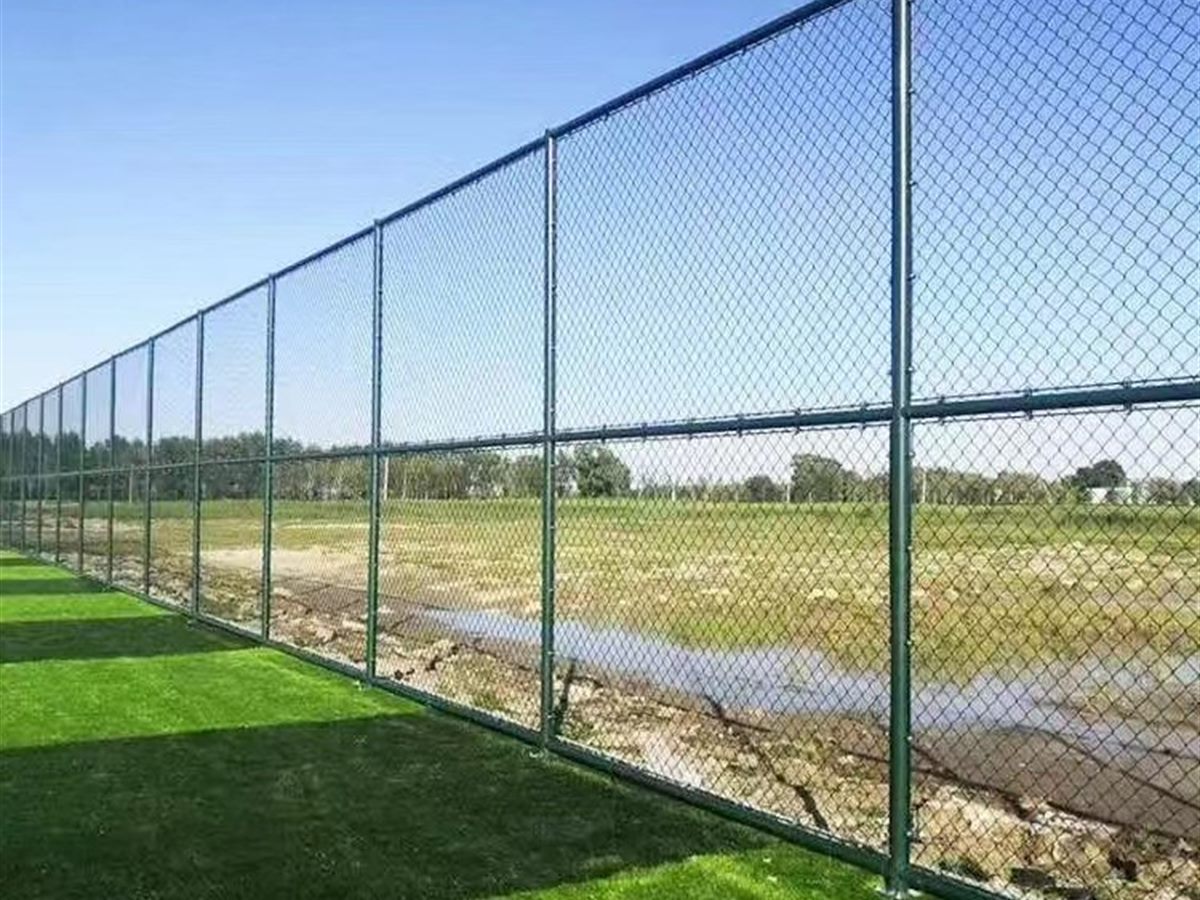
Chain-Link Fence
The woven, flexible alternative in 1.5–4 mm wire, for long runs and ground that is not level.
View product → -
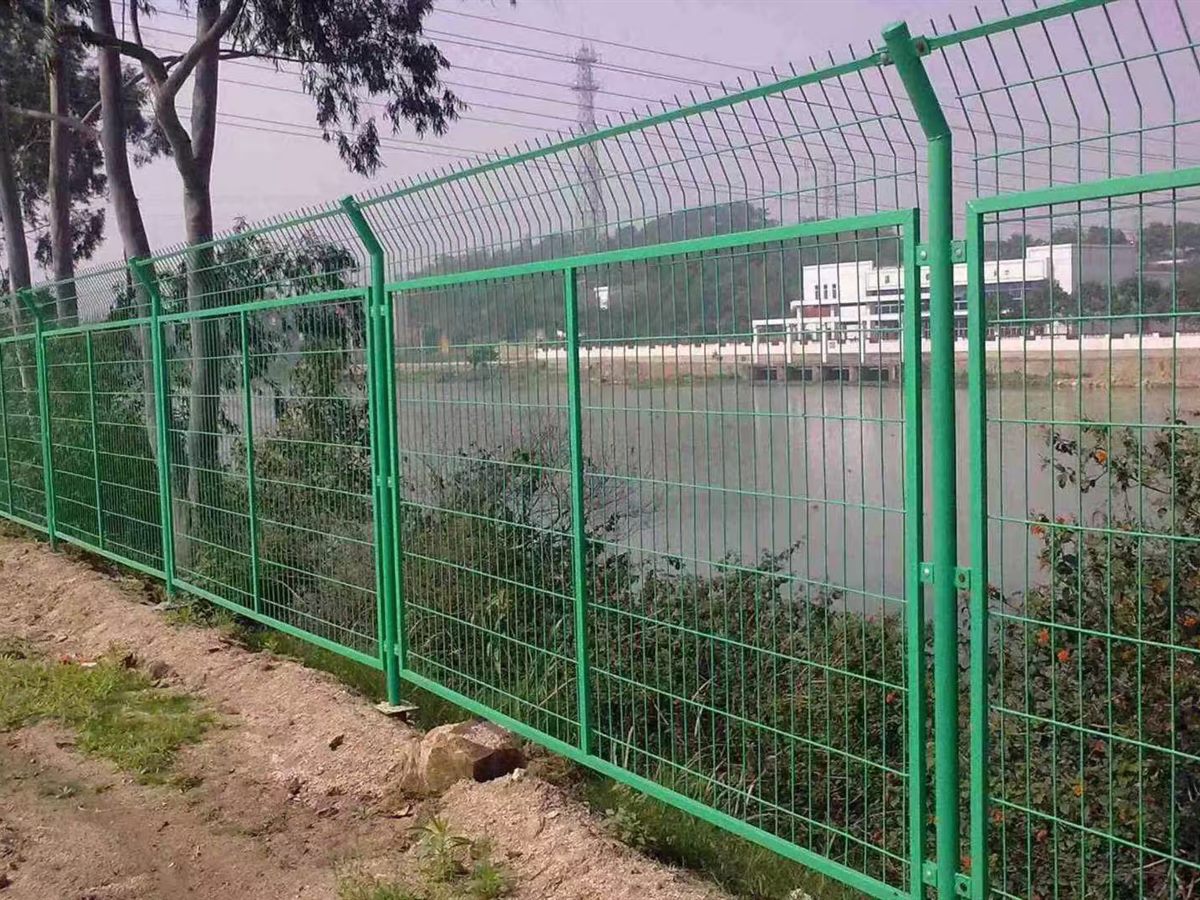
Framed Mesh Fence
Welded mesh set into a tube frame, so the panel carries its own stiffness over a long span.
View product →
Next step
Send the drawing, the height and the colour
Tell us the mesh aperture, wire diameter and post section on your drawing, the panel height, the finish, the colour reference and the destination port. We reply within one business day with the specification, the MOQ, the loading plan and the lead time in writing.