
Wire mesh fencing · 9 products in the family
Temporary Mesh Fence
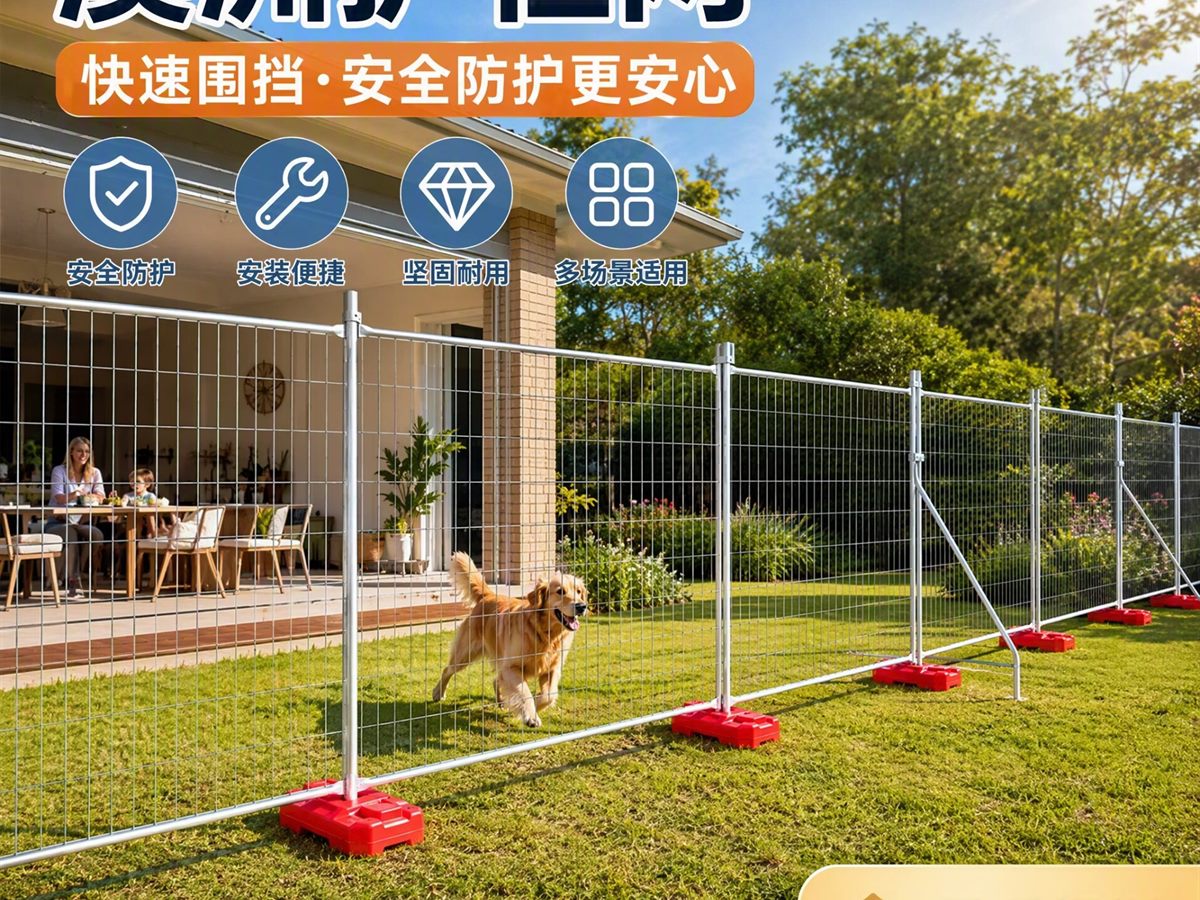
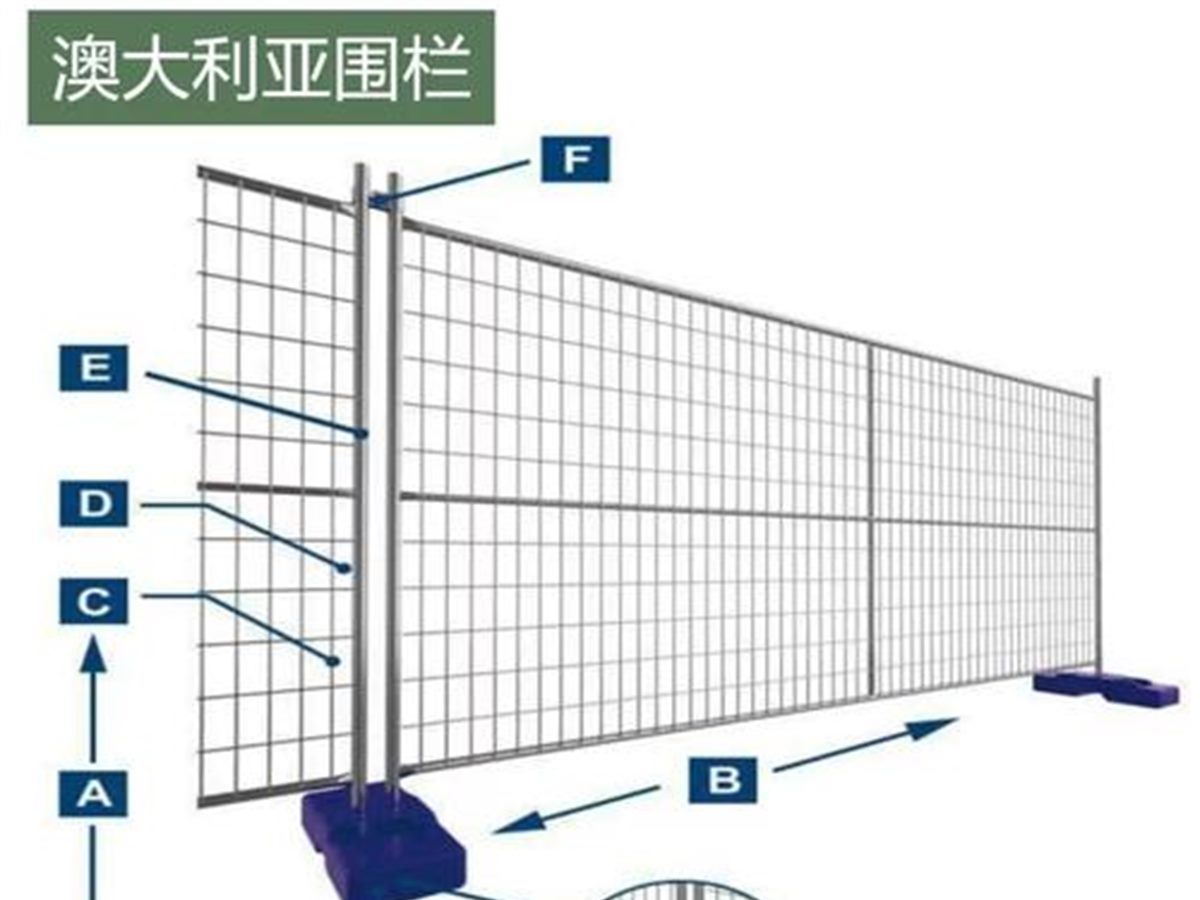
The panel that comes back. Instead of being dug in and left behind, each panel is lifted out of a loose post, stacked onto a truck and set up again at the next work front. It is built in two ways — a welded panel in hot-dip galvanised tube, and a woven panel in the same frame-and-post arrangement — and the two carry their own printed ranges for height, width, aperture, post and finish.
On this page: how the movable panel works and what it is used for (01), the two construction types with their published figures (02), what the build and the finish give you (03), what is settled on the drawing (04), packing, price and delivery (05), and four questions answered from this page (06).
A panel system that follows the work front
Construction sites do not stand still, and a fence that has been concreted in cannot follow them. This product is the opposite approach: the mesh is a panel, the post is loose, and the pair is light enough for two people to walk to the next position and re-erect in a few minutes. Panels stack for transport, and the same panels come back out at the end of the job rather than being cut off and scrapped.
It suits construction sites, events and temporary site separation, which is a different job from closing a boundary for good. Where the line has to stay for years, a fixed chain-link fence is the cheaper answer and is dressed down to the ground; where the frontage faces the public and has to look finished, the run is closed with municipal hoarding instead and this fence goes behind it.
The welded type is made from high-quality hot-dip galvanised tube, bent and then welded, so the panel holds a straight, tightly stretched face. The woven type uses woven mesh in the same panel-and-post arrangement. Because the two are built differently, their wire diameters, apertures, panel sizes, post options and finishes are printed separately rather than pooled into one range.
Temporary mesh fence — both construction types
The table is grouped the way the product is built: the welded type first, the woven type second. Do not read a figure from one group as if it applied to the other — they are separate builds with separate ranges.
| Construction type A — welded mesh type | |
|---|---|
| Material | High-quality hot-dip galvanised tube, bent and then welded. |
| Wire diameter | 3.6–6 mm. |
| Mesh aperture | 50 × 200 mm, 75 × 150 mm, 80 × 160 mm, 100 × 200 mm and others. |
| Panel height | 1.0–2.0 m. |
| Panel width | 2.0–3.0 m. |
| Posts | Square post, round post, peach-shaped post, new anti-theft post. |
| Surface treatment | Hot-dip galvanising, PVC dipping, powder coating, sand blasting, electrostatic spraying; post-weld zinc coating. |
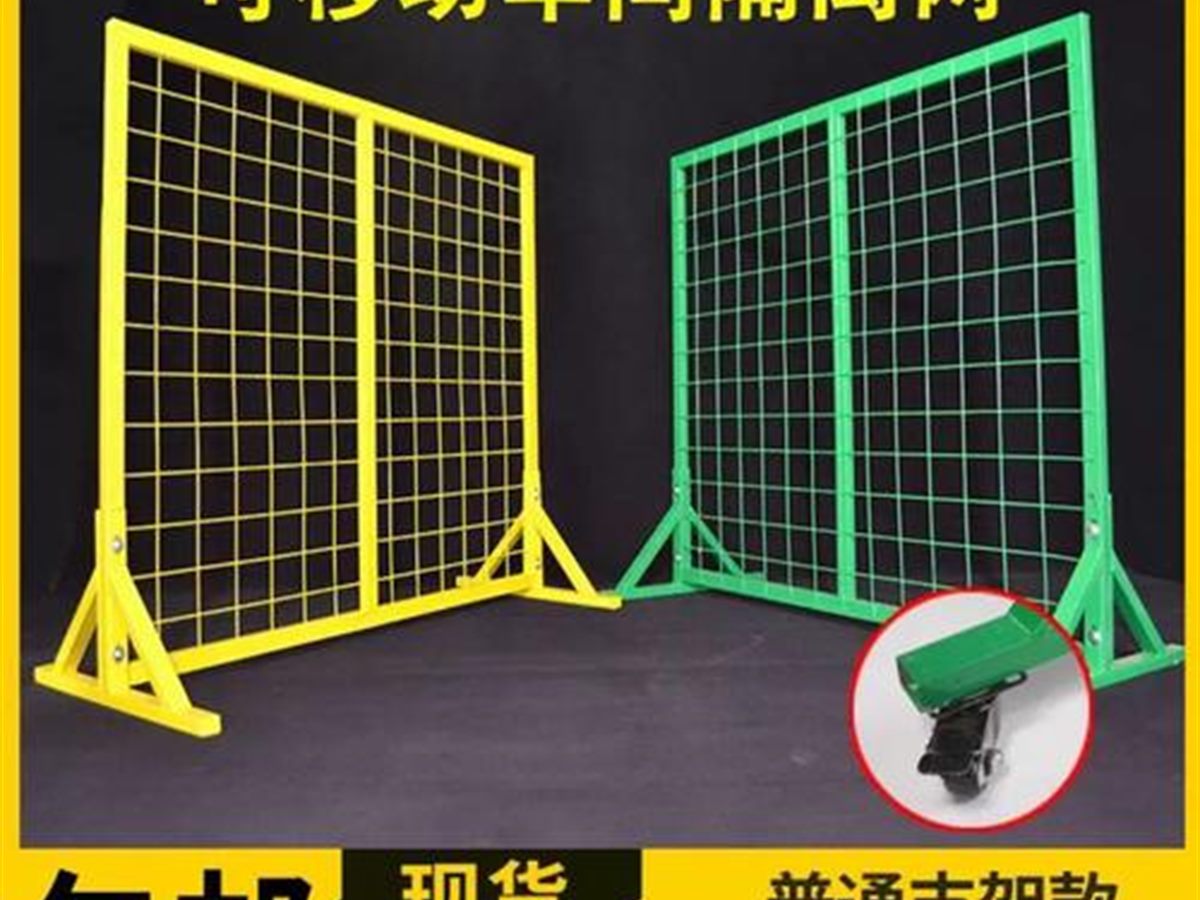
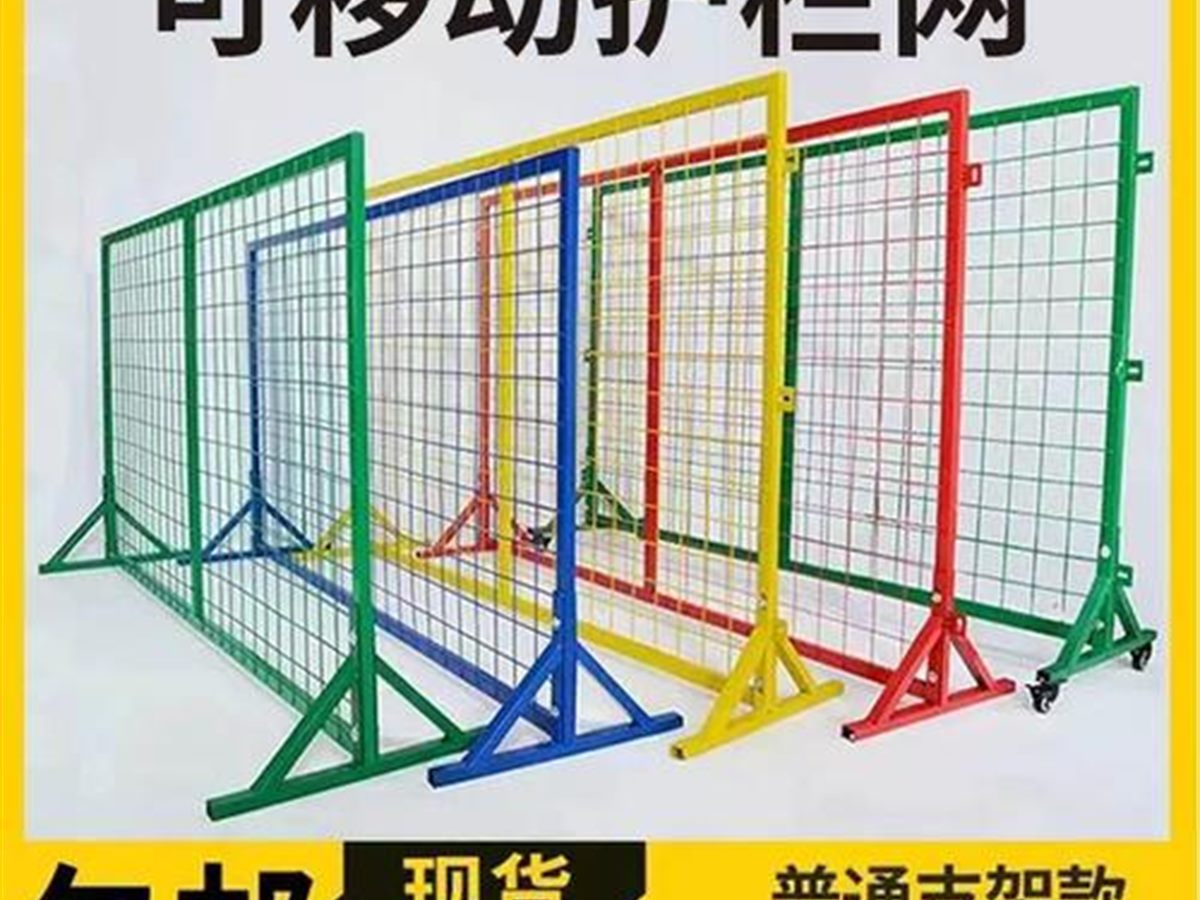
| Colour | Mainly green; yellow, blue and others available. |
| Construction type B — woven mesh type | |
| Wire diameter | 1.5–4 mm. |
| Mesh aperture | 50 × 50 mm, 60 × 60 mm, 70 × 70 mm and others. |
| Panel sizes | 1 m × 2 m, 1.5 m × 2 m, 2 m × 2.5 m, 2 m × 3 m and others. |
| Posts | Square post, round post. |
| Surface treatment | PVC coated, hot-dip galvanised. |
| Colour | Mainly green and blue. |
What the movable build gives you
- Two construction types. A welded panel in hot-dip galvanised tube, or a woven panel in the same frame-and-post arrangement — the job decides which.
- Panel height 1.0–2.0 m and width 2.0–3.0 m. The welded range is stated as a band rather than a single size, so the run can be stepped to the site.
- Four post options on the welded type. Square, round, peach-shaped and a new anti-theft post, so the foot detail can be chosen against how exposed the line is.
- A finish for the setting. Hot-dip galvanising, PVC dipping, powder coating, sand blasting or electrostatic spraying, with a post-weld zinc coating on the welded type.
- Colour as a specified choice. Mainly green on the welded type with yellow and blue available; mainly green and blue on the woven type.
- Reusable by design. Panels come out of the posts and go back in, which is the whole point of the product.
Heights, widths and posts outside the printed bands
The printed ranges are the starting point. Where a height, a width, an aperture or a post section sits outside them, send the drawing or the standard you follow and we confirm in writing what can be supplied. What we will not do is infer: a 1.8 m panel on an anti-theft post for a particular foot detail is a specification, and it is agreed before production rather than assumed from a range.
Two details are worth settling early because they change the panel rather than the price. The first is the foot or base: how the post is held is the difference between a panel that stands in wind and one that leans, and it is confirmed against the site. The second is the order of the run — corner positions, gate openings and the direction the panels face — because a temporary line is re-erected more than once and a drawing that carries the sequence saves that time twice over.
How the panels are packed, priced and shipped
Panels, posts and fittings are bundled and palletised for container loading, with the fittings bagged rather than loose in the load. Because panels stack flat, the load is generally limited by weight before it is limited by volume — give us the container size and the panel mix and the plan is built to it. The exact packing method is confirmed per specification with the loading plan.
| Packing | Panels, posts and fittings are bundled and palletised for container loading; the exact packing method is confirmed per specification with the loading plan. |
|---|---|
| Price | Price: quoted per order — FOB Wuhan / Shanghai, CIF or DDP |
| MOQ | Confirmed per specification — send the drawing, quantity and destination port and we reply with MOQ, loading plan and lead time within one business day. |
| Loading | Confirmed per specification — send the drawing, quantity and destination port and we reply with MOQ, loading plan and lead time within one business day. |
| Lead time | Confirmed per specification — send the drawing, quantity and destination port and we reply with MOQ, loading plan and lead time within one business day. |
| Documentation | Proforma invoice, commercial invoice, packing list and certificate of origin as required. Buyers who need CE / EN / ASTM documentation: tell us the standard and we will confirm in writing what we can supply. |
| Payment and warranty | Payment terms and warranty are agreed per order and stated on the proforma invoice. |
Four questions, answered from this page
- What is the difference between the two construction types?
- The welded type is made from high-quality hot-dip galvanised tube, bent and then welded, in 3.6–6 mm wire. The woven type uses woven mesh in the same panel-and-post arrangement, in 1.5–4 mm wire. Their ranges are printed separately.
- How tall and how wide can a panel be?
- The welded type is published at 1.0–2.0 m high and 2.0–3.0 m wide. The woven type is published in panels of 1 × 2, 1.5 × 2, 2 × 2.5 and 2 × 3 m, with other sizes available.
- Which posts are available?
- Square, round, peach-shaped and a new anti-theft post for the welded type; square and round post for the woven type.
- How is it finished?
- Hot-dip galvanising, PVC dipping, powder coating, sand blasting or electrostatic spraying, with a post-weld zinc coating on the welded type. Colour is mainly green on the welded type, with yellow and blue available; mainly green and blue on the woven type.
- Is a price, MOQ or lead time published?
- No. Price is quoted per order — FOB Wuhan / Shanghai, CIF or DDP — and MOQ, loading plan and lead time are confirmed per specification once we have the drawing, the quantity and the destination port.
Related products
Three lines used on the same works
One workshop, one drawing set, one loading plan. Each plate opens the product page for that item.
-
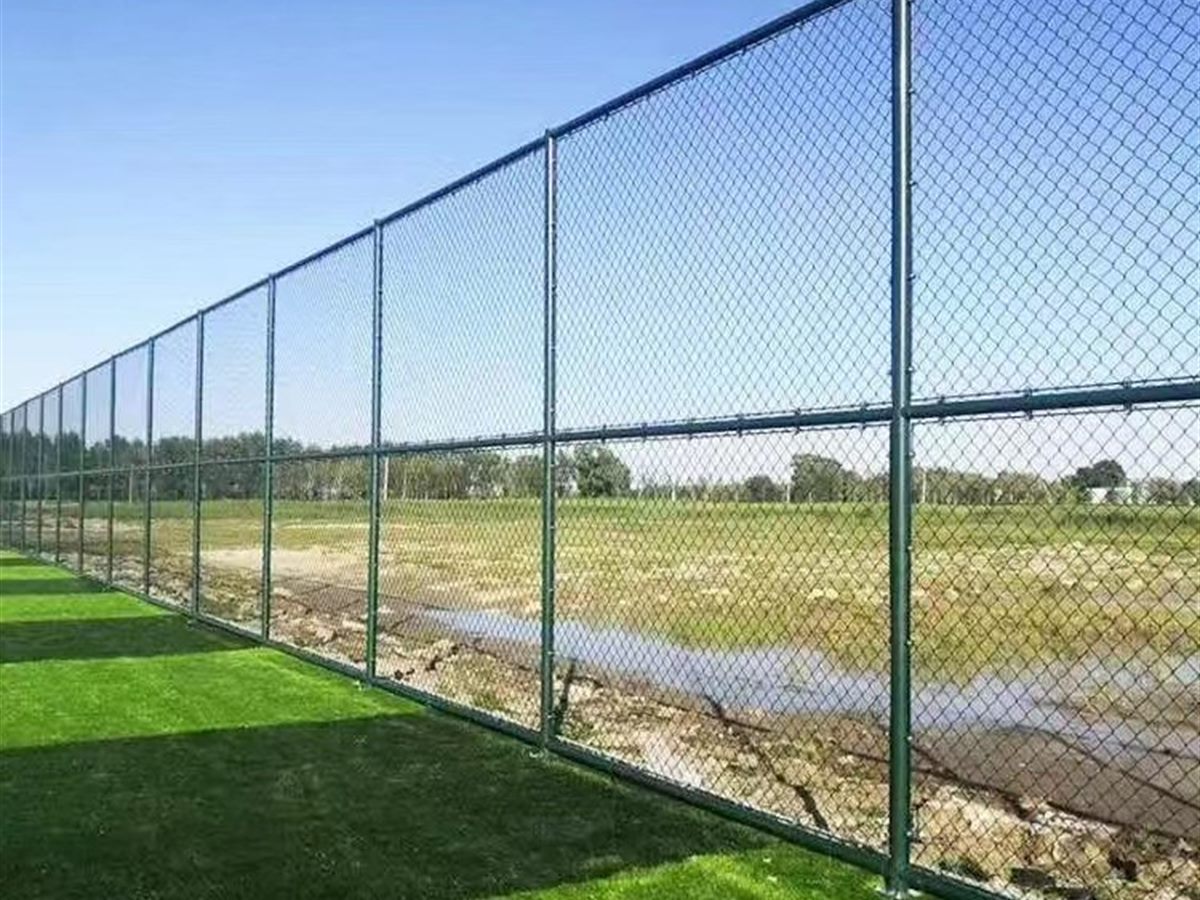
Chain-Link Fence
The permanent boundary line: woven diamond mesh in 1.5–4 mm wire, dressed down to the ground.
View product → -
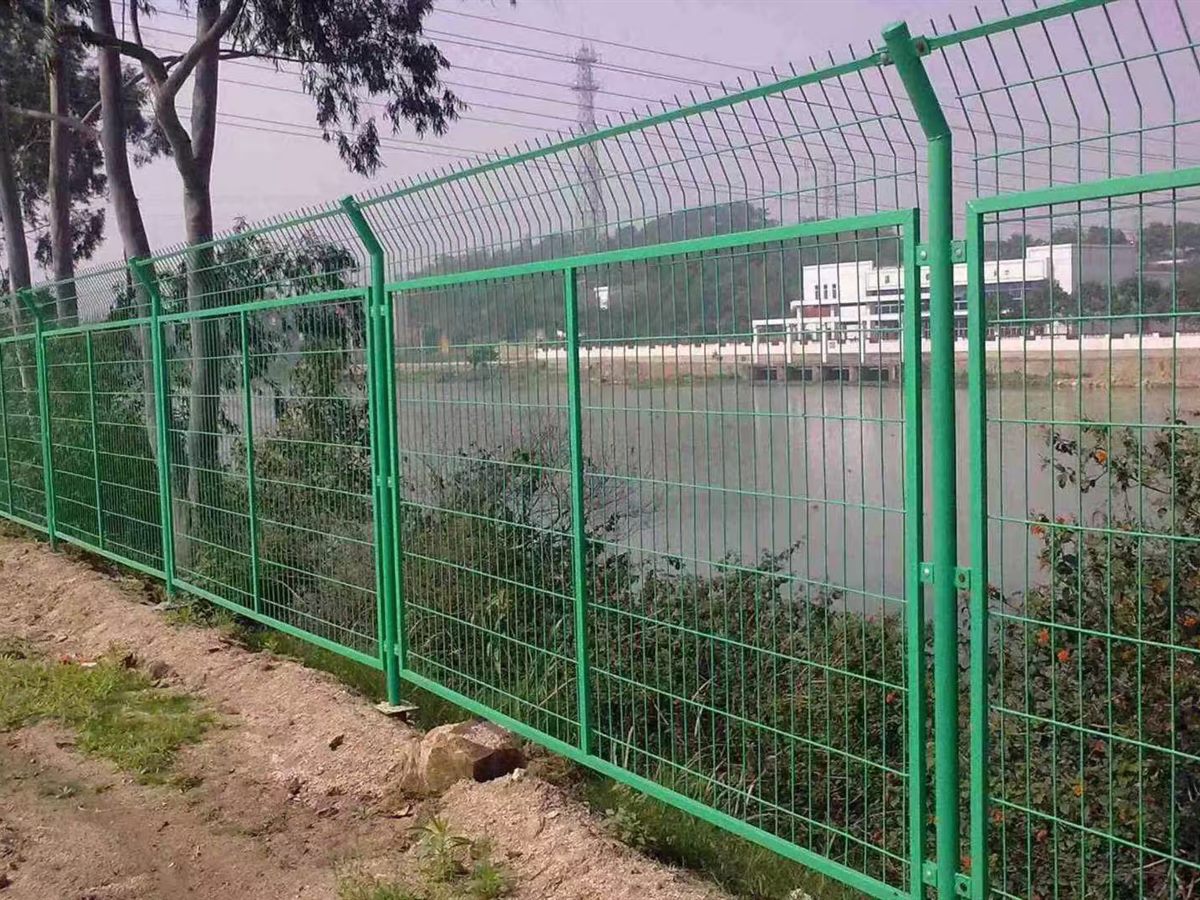
Framed Mesh Fence
A fixed panel in its own tube frame, for a line that has to stay put and stay flat.
View product → -
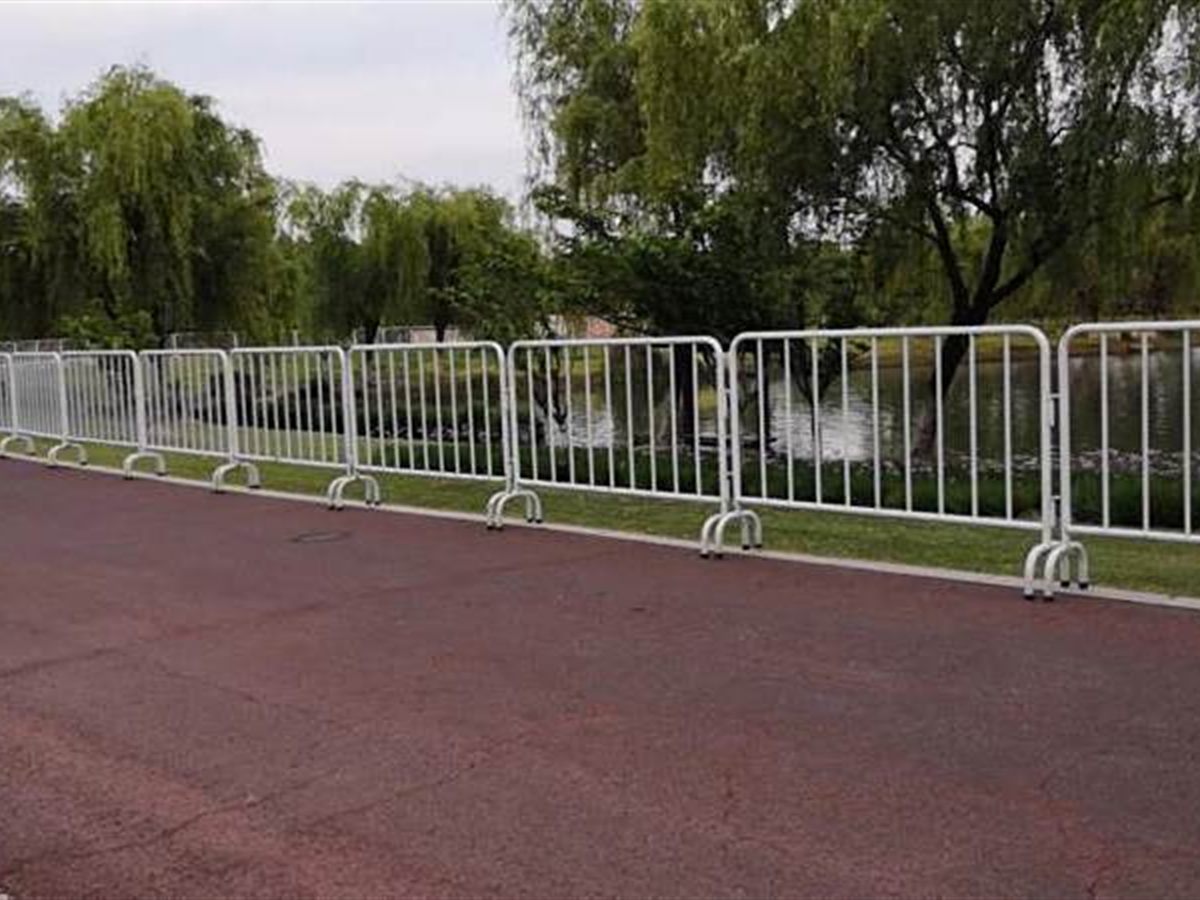
Crowd-Control Barrier
Interlocking sections with removable feet for queues, events and pedestrian separation.
View product →
Next step
Send the height, the width and the post you want
Tell us which construction type, the panel height and width, the aperture, the post, the colour and the destination port, and the foot or base detail the site needs. We reply within one business day with the specification, the MOQ, the loading plan and the lead time in writing.