
By application · people, not vehicles
Event and crowd control barriers: holding a line people walk along
A crowd line is not a fence and it is not a vehicle barrier. It has to go up on a surface that cannot be drilled, come down at the end of the day, stack flat in a truck, and read as a boundary to somebody who has never thought about barriers before. That is the whole design brief, and it is why this page recommends interlocking sections on removable feet first and treats everything else as the alternative.
On this page: what an event line has to do (01), three recommended products with their published figures (02), a selection table from site condition to specification (03), six procurement notes (04), the enquiry checklist (05), and five questions answered only from what this site publishes (06).
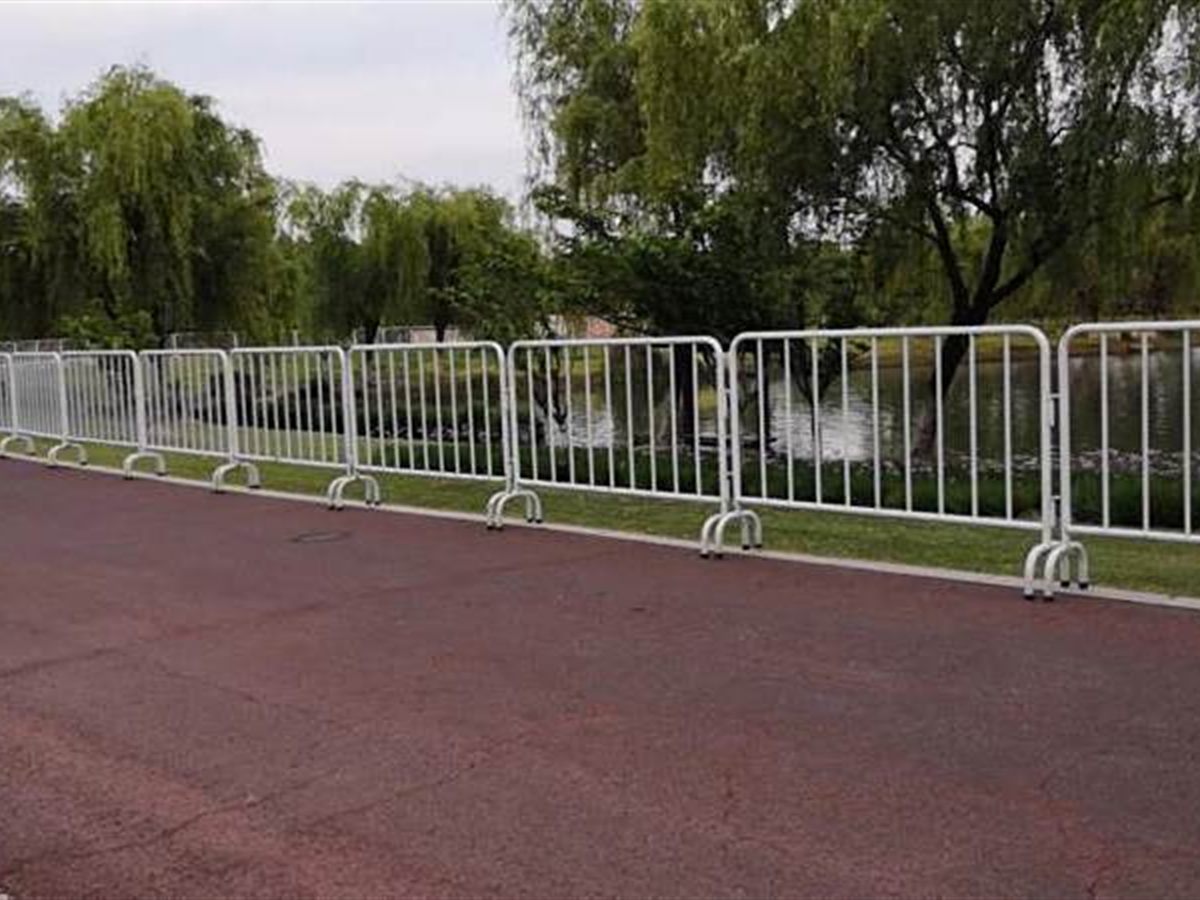
A line that goes up and comes down
Nothing is cast in. A venue forecourt, a car park and a street are not sites, and the event has to leave them as it found them. Every product on this page stands on the surface: the crowd-control barrier on removable feet, the water-filled barrier on its own ballast, the temporary mesh fence on feet or base plates. That single requirement removes the whole family of buried-post fencing from the answer.
The line has to be worked out in plan, not in elevation. A queue is a shape: a switchback, a lane, a funnel to a ticket window. Interlocking sections are what allow that shape to be laid out and then re-laid out between events, which is why the joint between sections is part of the specification rather than an afterthought. On the crowd-control barrier the feet are removable, so the sections stack flat for transport and storage — the difference between a line that fits in a van and one that does not.
Crowds push sideways, not lengthways. What a barrier line resists is a lateral load along its face and a crowd leaning on it, so the feet, the joints and the frame section are what matter. Those are exactly the figures the manufacturer leaves to the project: panel size, frame section and finish are made to the specification and confirmed on the shop drawing. The published fixed facts are the removable feet, the interlocking connection and the uses — queuing lanes and ticket lines, event and venue crowd lines, pedestrian routes, works entrances and public event perimeters.
And some lines are not this product at all. The crowd-control barrier is not intended for vehicle impact or permanent fence duty, and the product page says so. Where the line has to be a vehicle barrier, the road guardrail is quoted; where it has to be a permanent boundary, the zinc-steel perimeter railing in the same family is quoted. Choosing the wrong one of the three is the most expensive mistake in this application, because none of them is a substitute for another.
Three products for one event line
The barrier is the line itself. The mesh panels close the parts a barrier line cannot, and the water-filled unit is the heavier, more visible alternative where the line runs along a road.
-
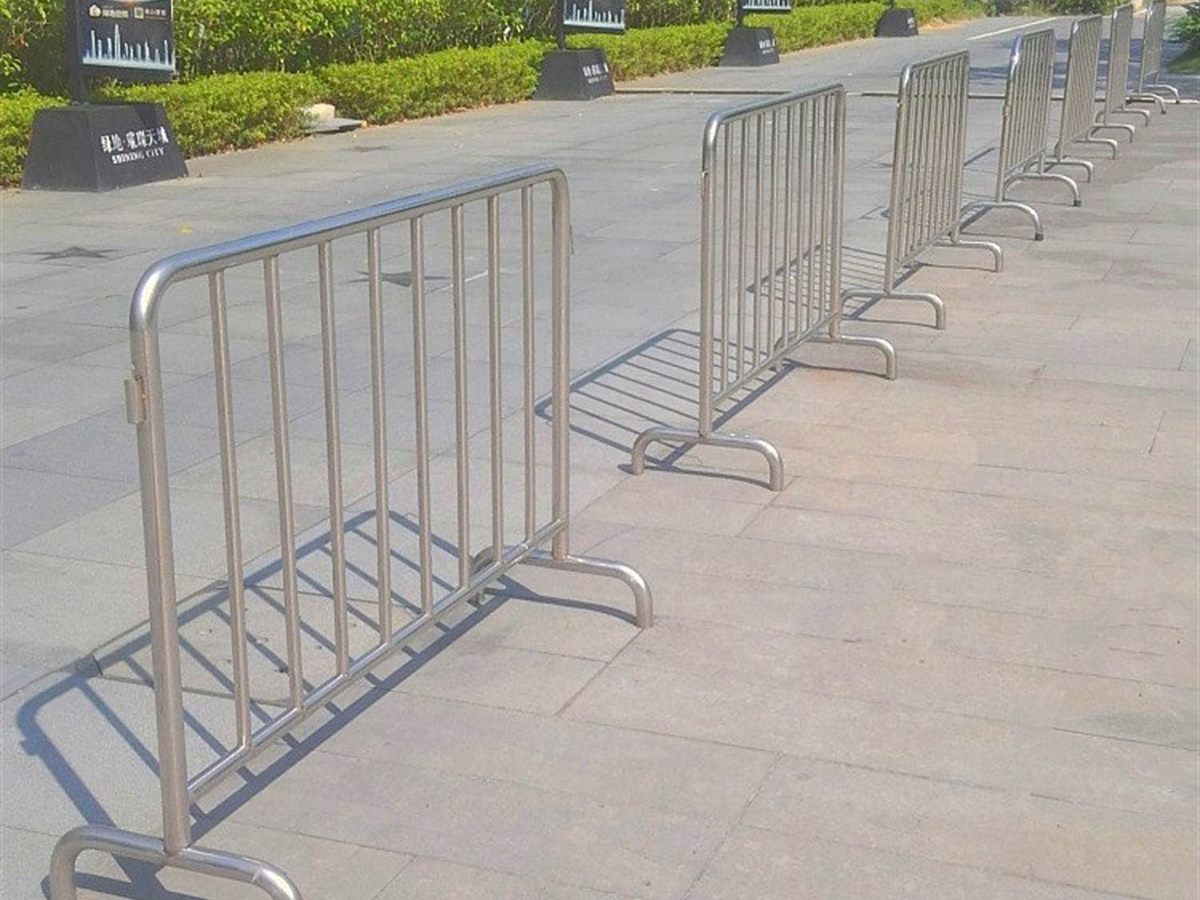
Crowd-Control Barrier
Interlocking steel sections with removable feet; panel size, frame section, finish and joint type made to the project specification and confirmed on the shop drawing.
View product → -
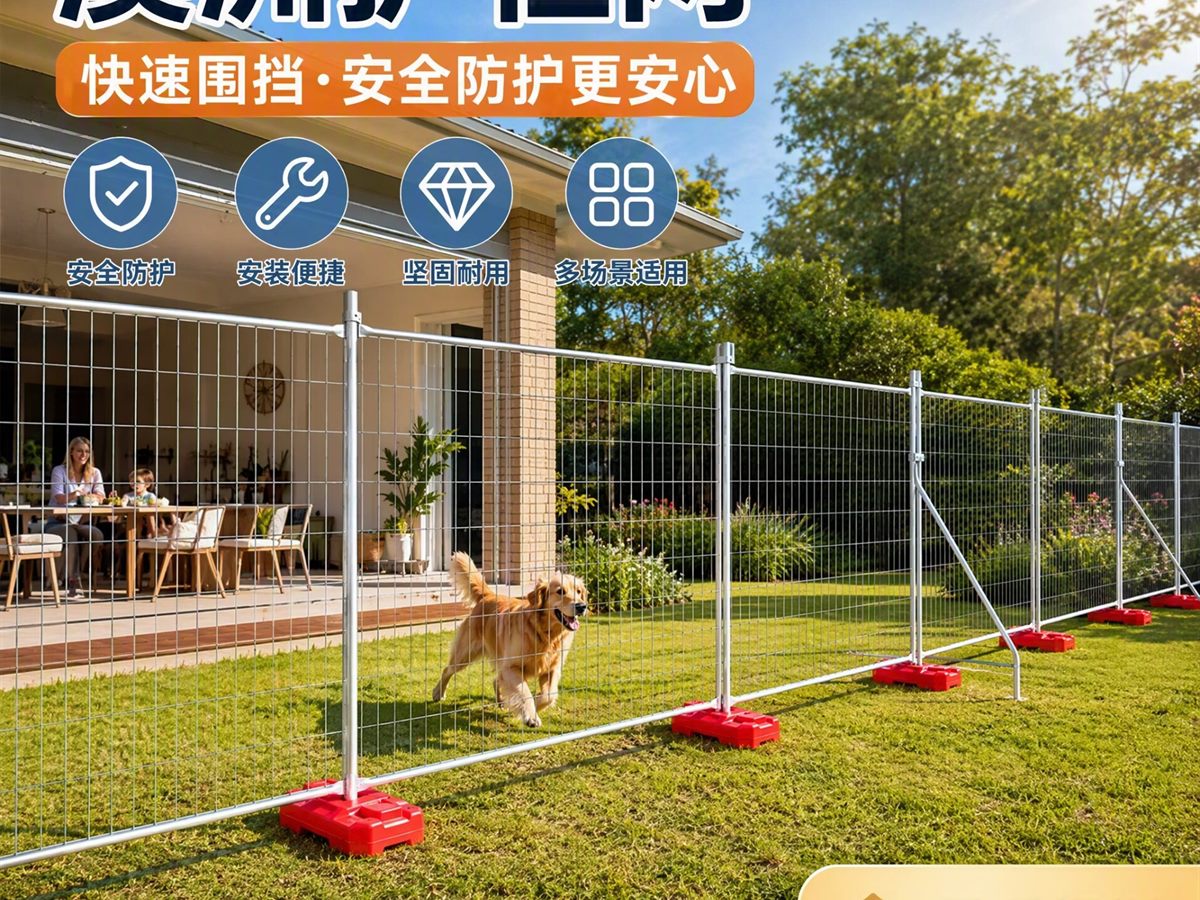
Temporary Mesh Fence
Panels 1.0–2.0 m high and 2.0–3.0 m wide on feet or base plates; 3.6–6 mm wire, 50 × 200 / 75 × 150 / 80 × 160 / 100 × 200 mm apertures, hot-dip galvanised tube.
View product → -
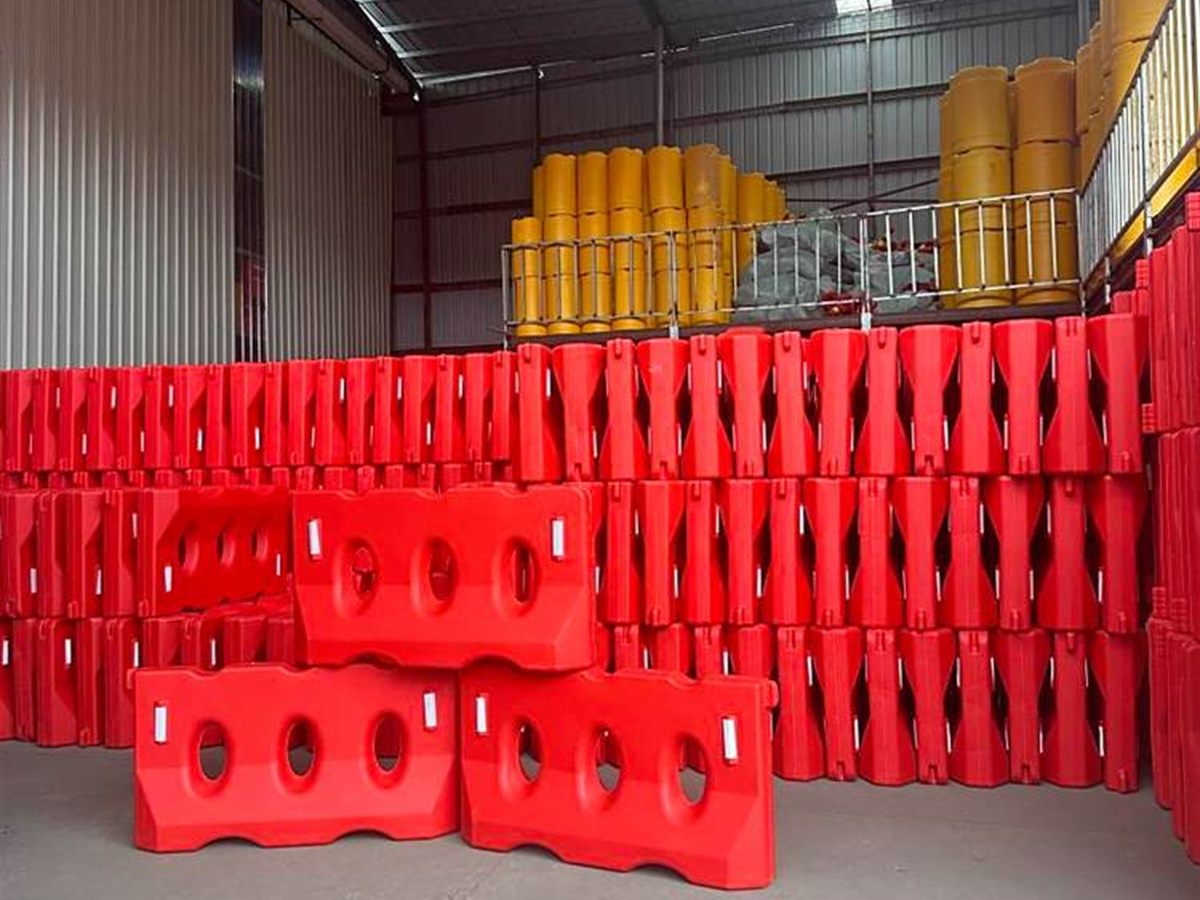
Water-Filled Barrier
Tall unit 102 cm long, 183 cm high and 400 mm wide; 8–9 kg empty, about 100 kg filled, interconnecting, wind force grade 7–8, −40 °C to +60 °C.
View product →
Site condition to recommended specification
Every figure in the middle column is printed on a product page on this site. Where a figure is absent it is because the manufacturer publishes no fixed value and the shop drawing confirms it.
| Site condition | Recommended specification | Why it suits |
|---|---|---|
| A queue, a switchback or a ticket line | Crowd-control barrier: interlocking sections with removable feet; panel size, frame section, finish and joint type made to the project specification | The line is laid out in plan and re-laid between events; the sections stack flat once the feet are off |
| A pedestrian route held away from a road | Water-filled barrier, tall type: 102 cm long, 183 cm high, 400 mm wide, about 100 kg filled, units interconnected, wind force grade 7–8 | A tall, visible wall of units with no groundwork, and enough ballast to stay put in wind |
| A gap in the line that people must not walk through | Temporary mesh fence: panels 1.0–2.0 m high, 2.0–3.0 m wide, on feet or base plates, 50 × 200 to 100 × 200 mm apertures, 3.6–6 mm wire | Taller and more closed than a barrier section, and still movable by hand |
| An event perimeter that changes shape during the day | Crowd-control barrier sections, with the joint type (pin, hook or bolted plate) confirmed on the shop drawing | The joint between sections is what lets a perimeter be extended, doubled back or closed |
| Storage and transport between events | Crowd-control barrier: removable feet, sections stacked flat; water-filled barrier: empty units nest for shipping | Both are built to be taken away, and neither leaves a fixing in the ground |
| A line that must take a vehicle impact | Not this product: road guardrail for the road, zinc-steel perimeter railing for a permanent boundary | The crowd-control barrier is stated not to be intended for vehicle impact or permanent fence duty |
Six things to settle before an event order
- Send the layout, not just a length. A queue is a shape. The barrier is counted from the line you draw, and the joint type and section count follow from it.
- The barrier's own figures are yours to set. Panel size, frame section, finish and the joint between sections are made to the project specification and confirmed on the shop drawing — they are not printed as fixed values.
- Say what carries the line. Removable feet on a barrier section, feet or base plates on a temporary panel, water ballast in a filled unit. Three different answers for three different surfaces, and the surface decides between them.
- Empty units nest for shipping. A container load of water-filled barriers is compact because the units ship empty and are filled on site; cartons, pallets and the packing method come with the loading plan.
- No price is published. Price is quoted per order — FOB Wuhan / Shanghai, CIF or DDP — because it depends on the specification, the quantity and the destination port.
- MOQ, loading and lead time come with the specification. Send the layout, the quantity and the destination port, and the reply carries all four within one business day.
Four things to send, and what each one decides
What to put in the enquiry
No price figure is published- Drawing or standard
- The site layout or the venue plan, and any standard the barrier is written against. It decides the panel size, the frame section and the joint type, all of which are confirmed on the shop drawing.
- Quantity
- The number of sections, the number of panels and the number of water-filled units, taken off the layout. Every line is counted from the plan.
- Destination port
- The port the container discharges at, because price and loading plan are quoted per order — FOB Wuhan / Shanghai, CIF or DDP.
- Installation conditions
- The surface the line stands on, whether the ground can be drilled at all, and whether the barrier must come down between events. These decide between feet, base plates and water ballast.
Five questions, answered from this site
- What is a crowd-control barrier made of, and in what sizes?
- It is a barrier of interlocking steel sections with removable feet. Panel size, frame section, finish and the joint type between sections are made to the project specification and confirmed on the shop drawing; the page publishes no fixed panel size. What is fixed is the principle: the feet are removable, so the sections stack flat for transport and storage.
- What is a crowd-control barrier not intended for?
- Vehicle impact and permanent fence duty. For a vehicle barrier the road guardrail is quoted, and for a permanent boundary the zinc-steel perimeter railing in the same family is quoted instead. The crowd-control barrier is a separation line for queuing, event and pedestrian use.
- Where is the barrier used?
- Queuing lanes and ticket lines, event and venue crowd lines, pedestrian routes, works entrances and public event perimeters, as published on the product page.
- What if the line has to be longer and more visible than a barrier line?
- The water-filled barrier is the alternative: its tall blow-moulded unit is 102 cm long, 183 cm high and 400 mm wide, 8–9 kg empty and about 100 kg filled with water, interconnects end to end, needs no groundwork and is stated by the manufacturer to withstand wind force of grade 7–8 between −40 °C and +60 °C.
- Can the same order include movable mesh panels?
- Yes. The temporary mesh fence is published as panels 1.0–2.0 m high and 2.0–3.0 m wide on feet or base plates, lifted and re-positioned by hand, in hot-dip galvanised tube with 50 × 200, 75 × 150, 80 × 160 or 100 × 200 mm apertures and 3.6–6 mm wire. It is quoted with the same enquiry as the barrier line.
By application
Three other sites, and what closes each one
An event line is one condition. These are the other three, read the same way: what the site demands first, then the product that answers it.
-
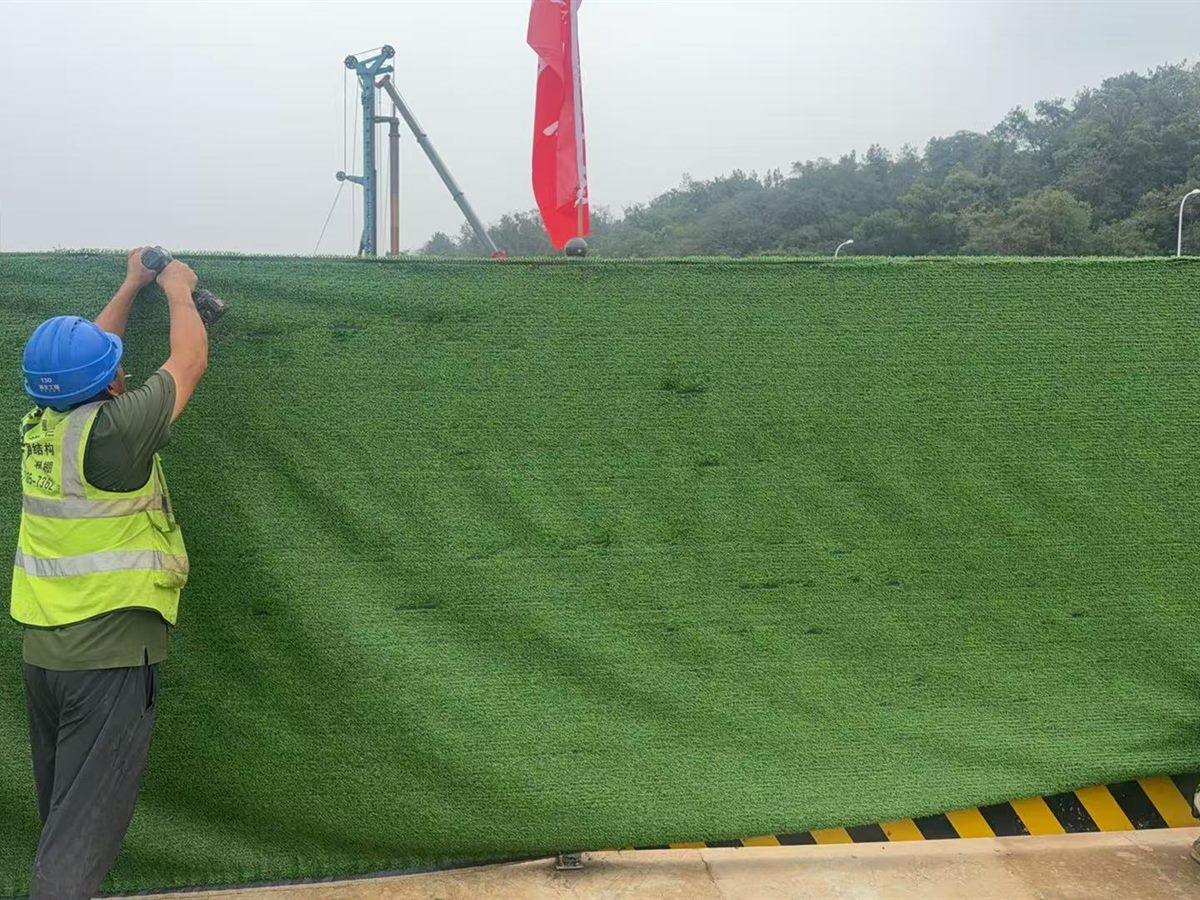
Construction Site Hoarding
The frontage that stays up for a whole contract, in municipal, colour-steel, PVC or perforated hoarding.
View application → -
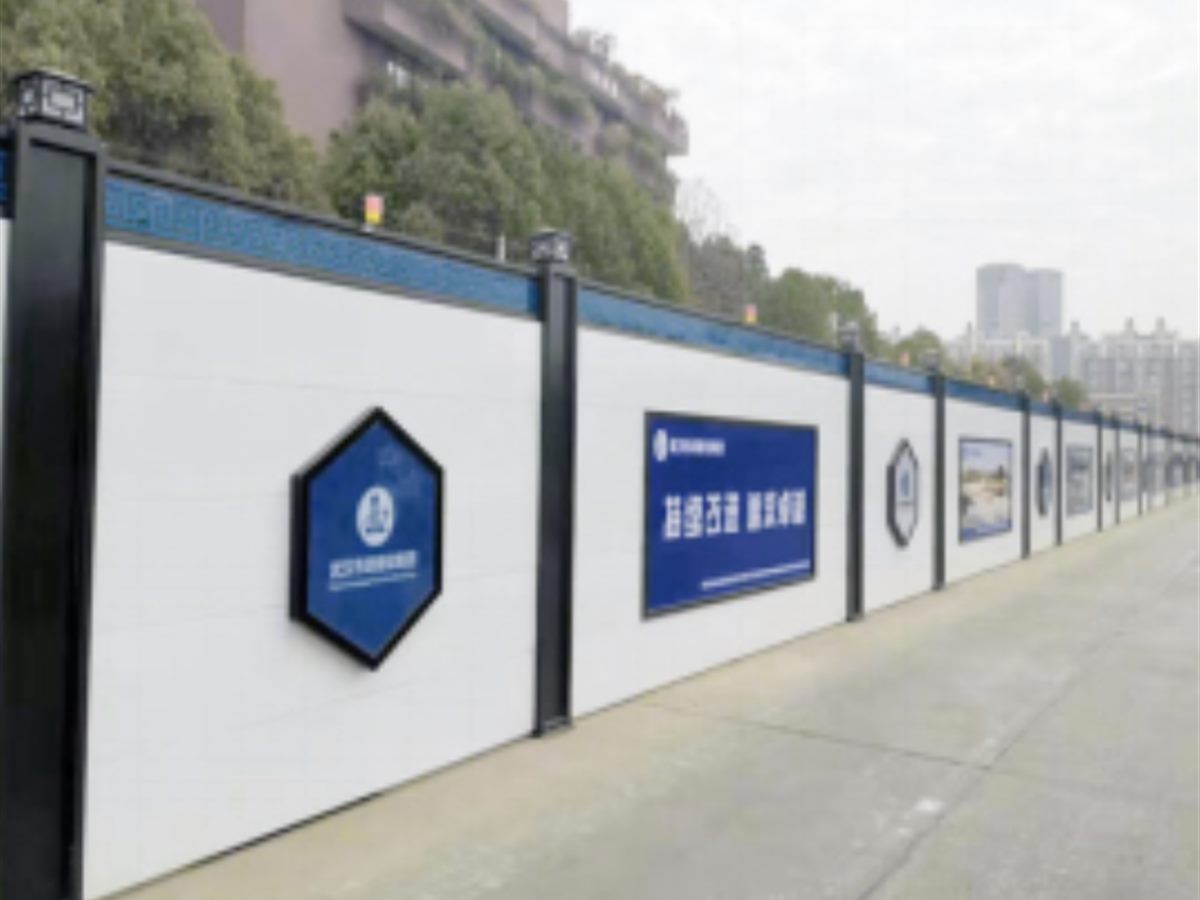
Municipal Road Works Fencing
Closing a carriageway, diverting traffic and keeping the works and the public apart on a live road.
View application → -
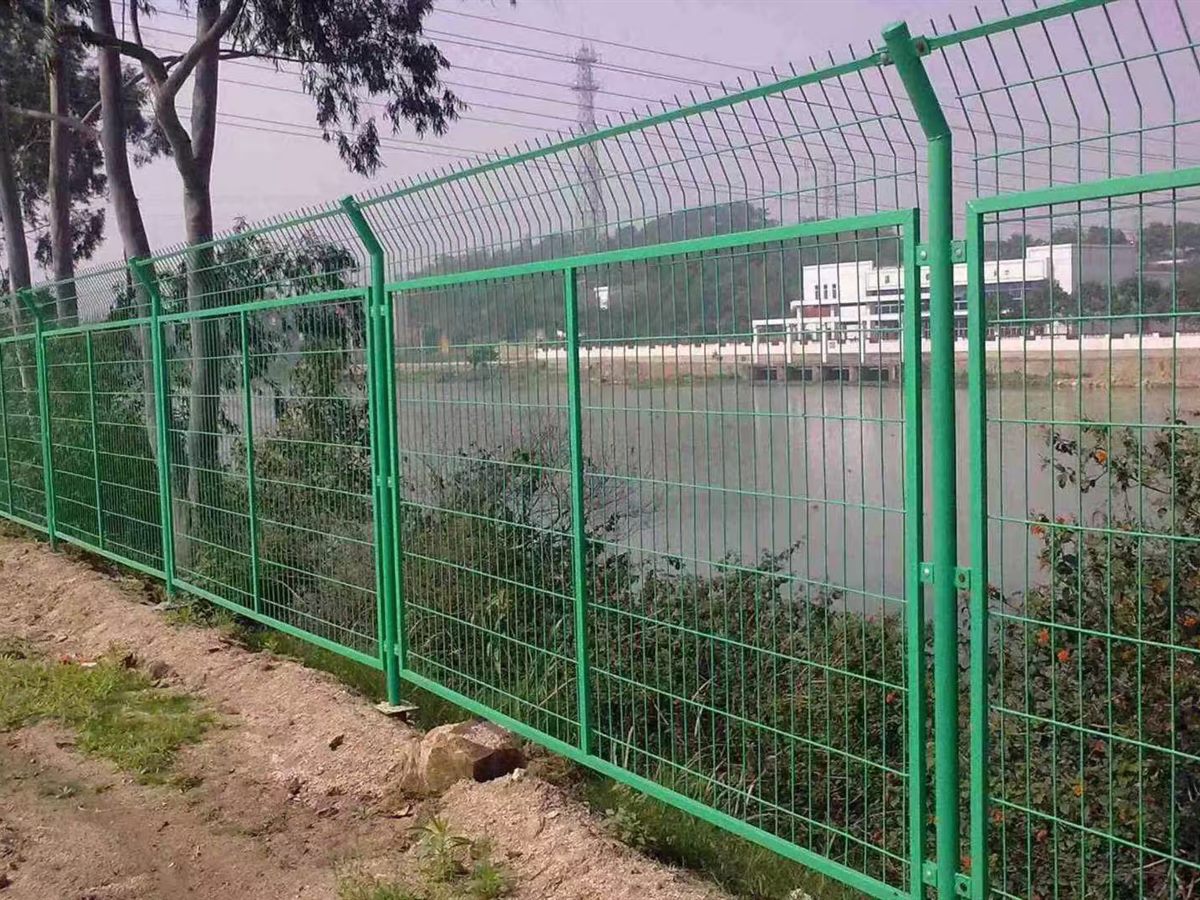
Warehouse and Yard Separation Fencing
Dividing a yard or a plant boundary where the line has to hold and resist a climb.
View application →
Related products
Three more products an event order uses
One workshop, one drawing set. Each plate opens the product page for that item.
-
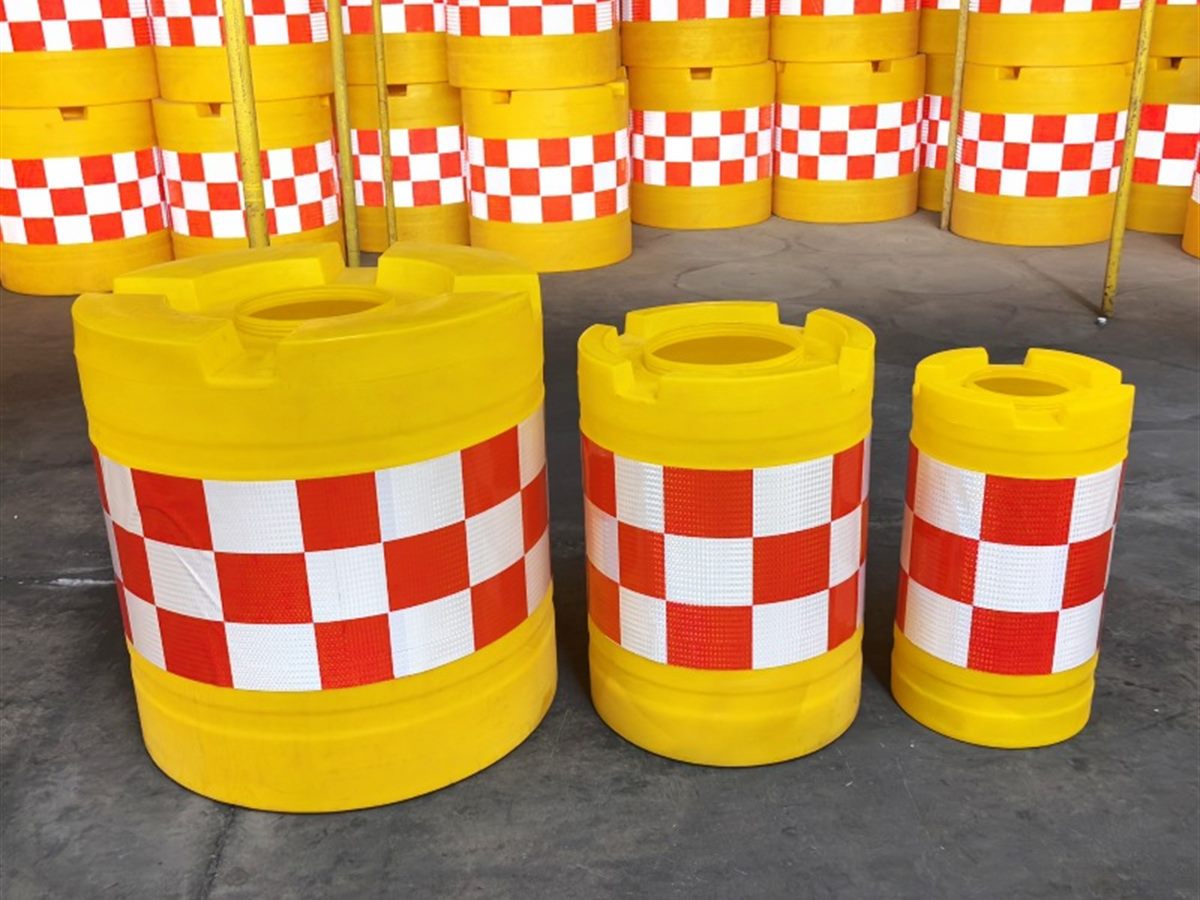
Water-Filled Barrier
A 183 cm tall unit that interconnects into a line and stands on water ballast, not on a fixing.
View product → -
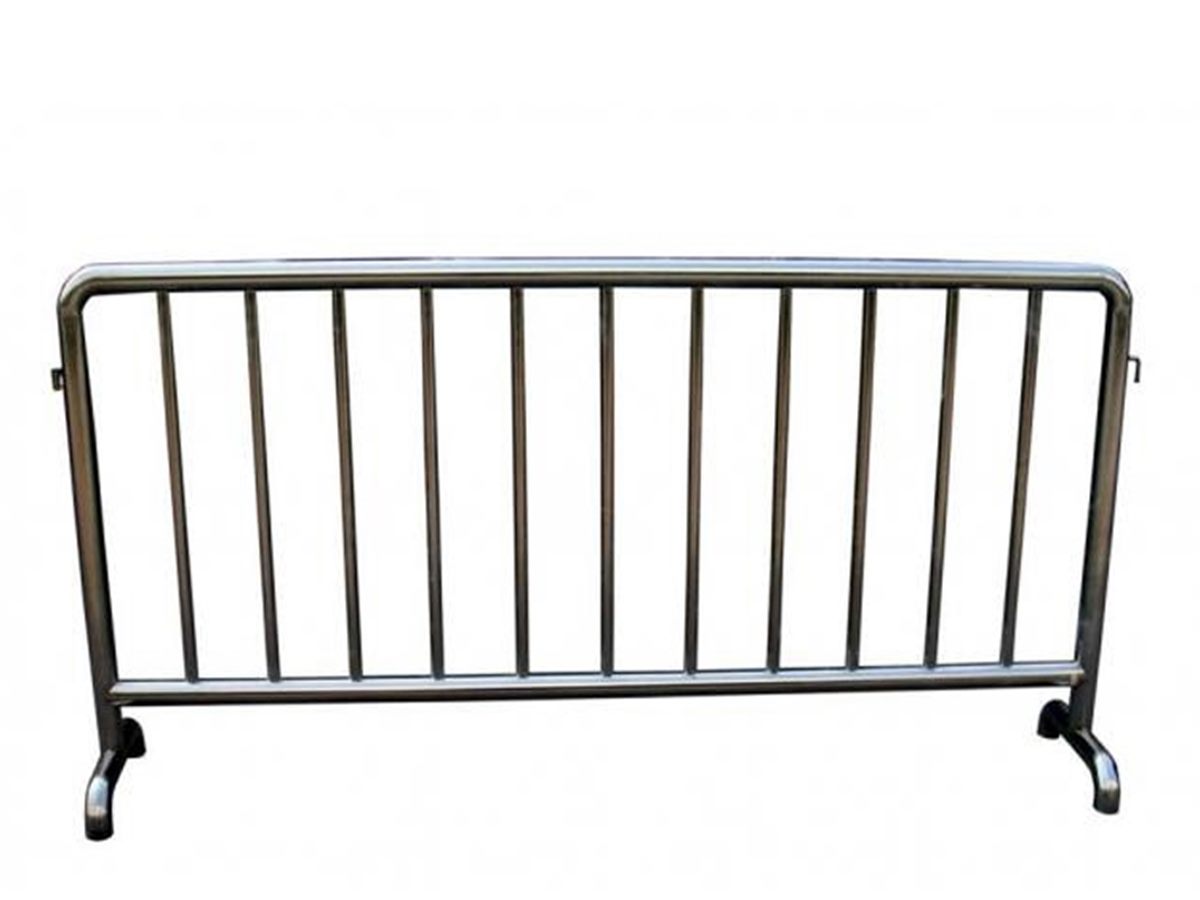
Crowd-Control Barrier
Interlocking sections with removable feet, for queuing, ticket lines and pedestrian routes.
View product → -
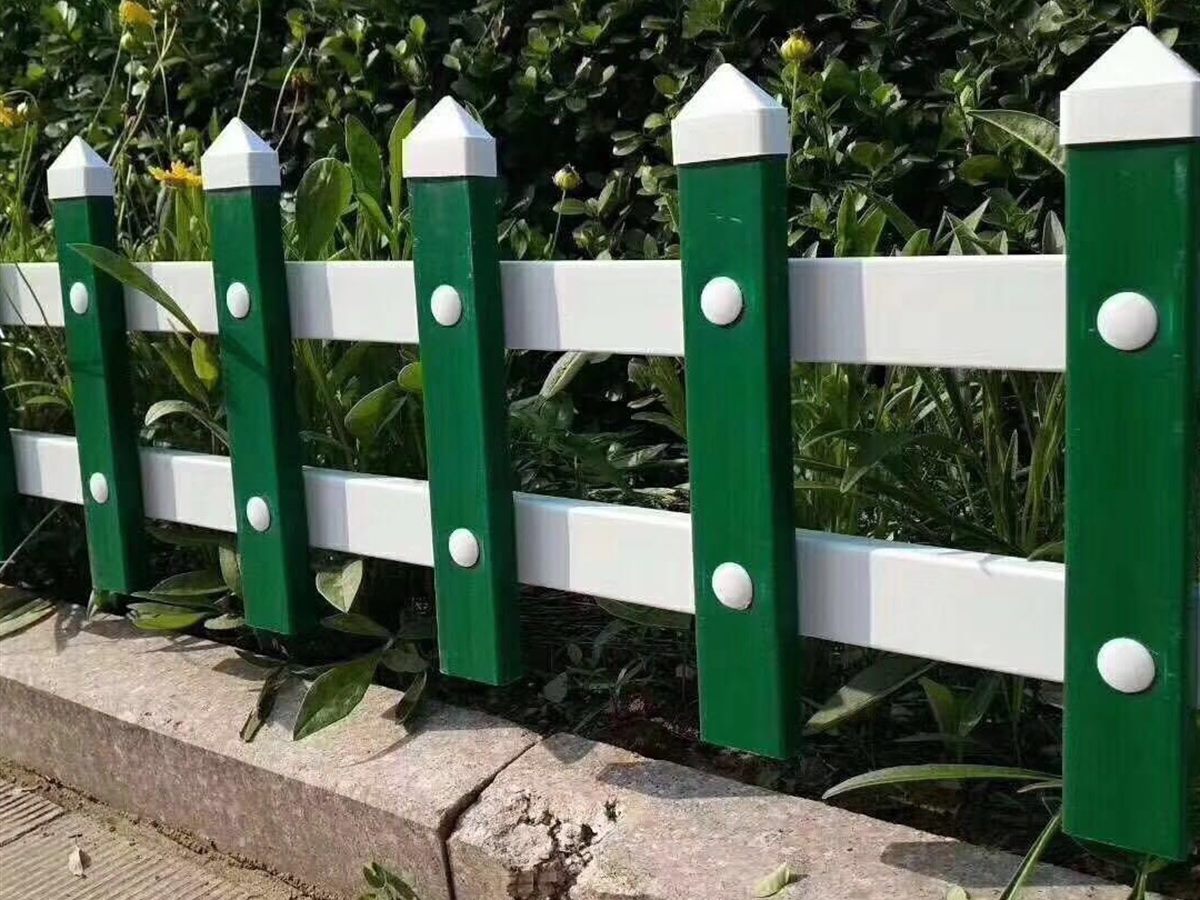
Planter Railing
A low line around a planted area, in coated steel or PVC, made to the run, height and colour.
View product →
Next step
Send the layout, the dates and the surface
Tell us how the line is laid out, how many sections or panels are needed, what the ground will accept, and the destination port. We reply within one business day with the specification, the MOQ, the loading plan and the lead time in writing.