
By application · closing the works frontage
Construction site hoarding: the face the street sees every day
A construction frontage is the one part of the site the public judges, and it is judged for the whole contract. This page sets out what that frontage has to do, which of the workshop's hoardings does it, and the published figures each one is specified from. Nothing below is a catalogue guess: the post, the panel, the brace and the base are the sections printed on the product pages, and anything that is not published — run height, post spacing, brace positions — is confirmed on the order drawing instead.
On this page: what a closed frontage has to survive (01), three recommended configurations with their published figures (02), a selection table from site condition to specification (03), six procurement notes (04), the enquiry checklist (05), and five questions answered only from what this site publishes (06).
Four things the frontage has to survive
Wind. A hoarding is a sail on a line of posts. The published structures answer it in different ways — a deep 220 × 300 × 0.9 mm galvanised post on the municipal build, an 80 × 80 × 0.8 mm coated post on the colour-steel build, a 120 × 120 mm PVC shell over an 80 × 80 × 0.8 mm core on the PVC build — and every one of them is braced: 50 × 50 × 0.9 mm square tube on the municipal hoarding, 40 square tube or L40 on colour-steel, 40 square tube behind the PVC run. What is not published is how far apart the posts stand, because that follows the height and the exposure of the site.
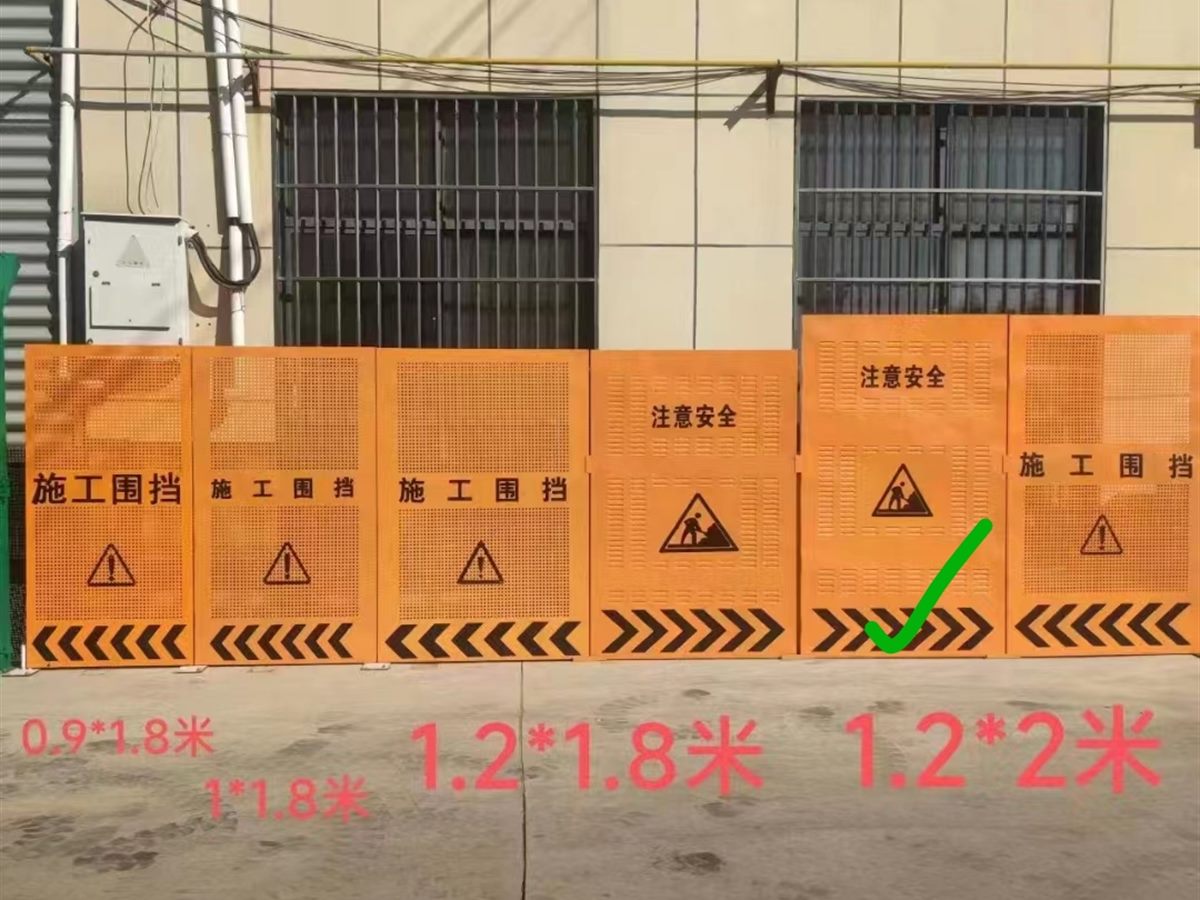
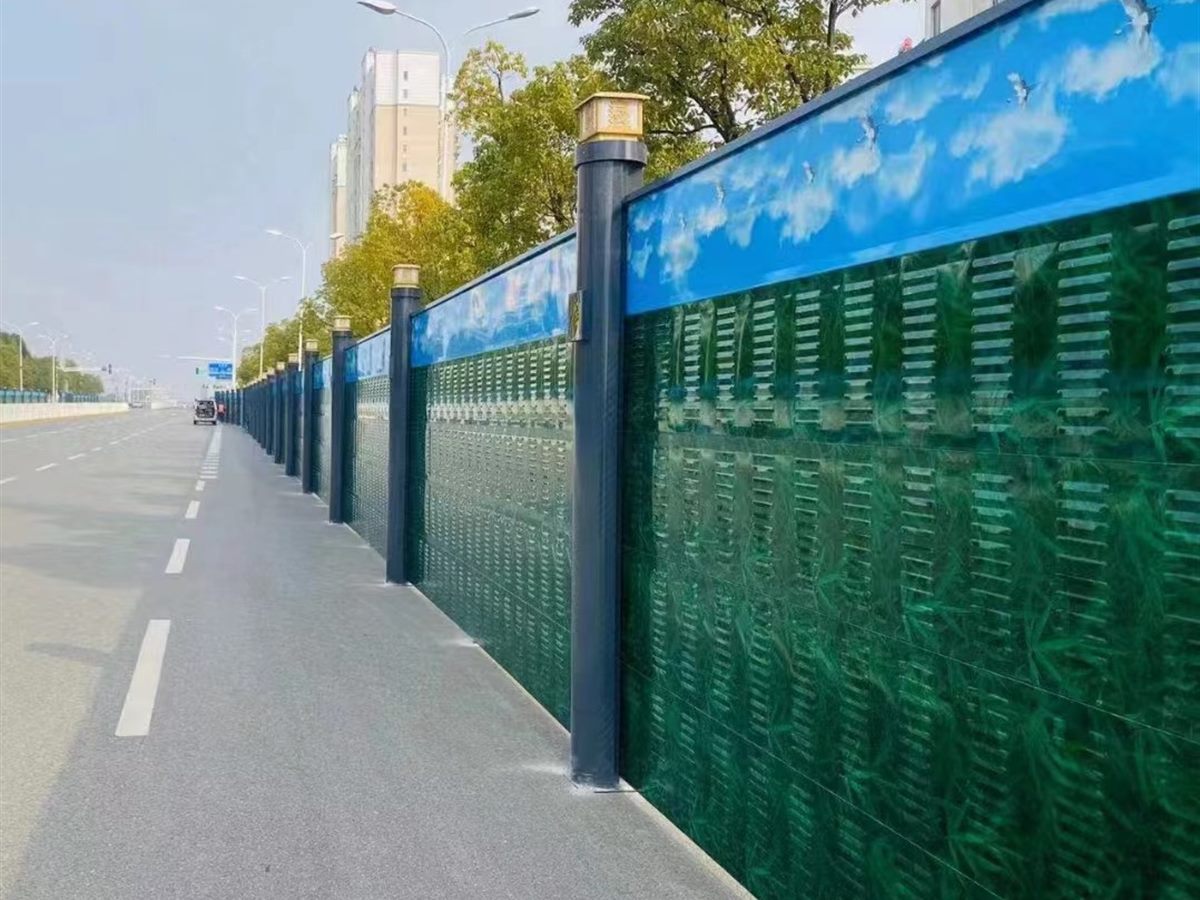
Dust and the sightline. A solid panel holds dust inside the works and stops the public reading the site as an open hole. Where the face has to breathe instead, the perforated hoarding does it with a 1200 × 2000 mm galvanised sheet at 0.5–0.8 mm and Φ10 mm perforations, on a steel-tube support with a 0.7 mm wall, and the printed hoarding does it with a 480 mm green louvred perforated lower panel under a printed upper band.
Pedestrian separation. The hoarding is the line that keeps people out of the works, so it needs a continuous, closed face at the height the public walks past, and it needs the joints between panels held. On the municipal hoarding that joint is held by an 80 × 80 × 1.0 mm concealed post set behind the panel face, which is also why the run reads as a band rather than as a series of panels.
The ground, and the day it comes down. Flange plates and expansion bolts suit a concrete or paved surface, and the municipal hoarding is bolted down rather than cast in, so it comes up again without cutting the run. Where the frontage has to move with the works, the colour-steel hoarding slides its panel into a 0.6 / 0.25 mm U-section slot and comes down in whole panels. Tell us which of the two the site is, because it decides the fixing before it decides the panel.
Three hoardings that close a construction frontage
One of these three usually answers a frontage, and the choice is made on how long the run stands and what the face has to do — not on the price, which is quoted per order.
-
Municipal Hoarding
Post 220 × 300 × 0.9 mm galvanised tube, concealed post 80 × 80 × 1.0 mm, a 480 mm white panel over a 400 mm grey one, brace 50 × 50 × 0.9 mm, flange plate and expansion bolts.
View product → -
Colour-Steel Hoarding
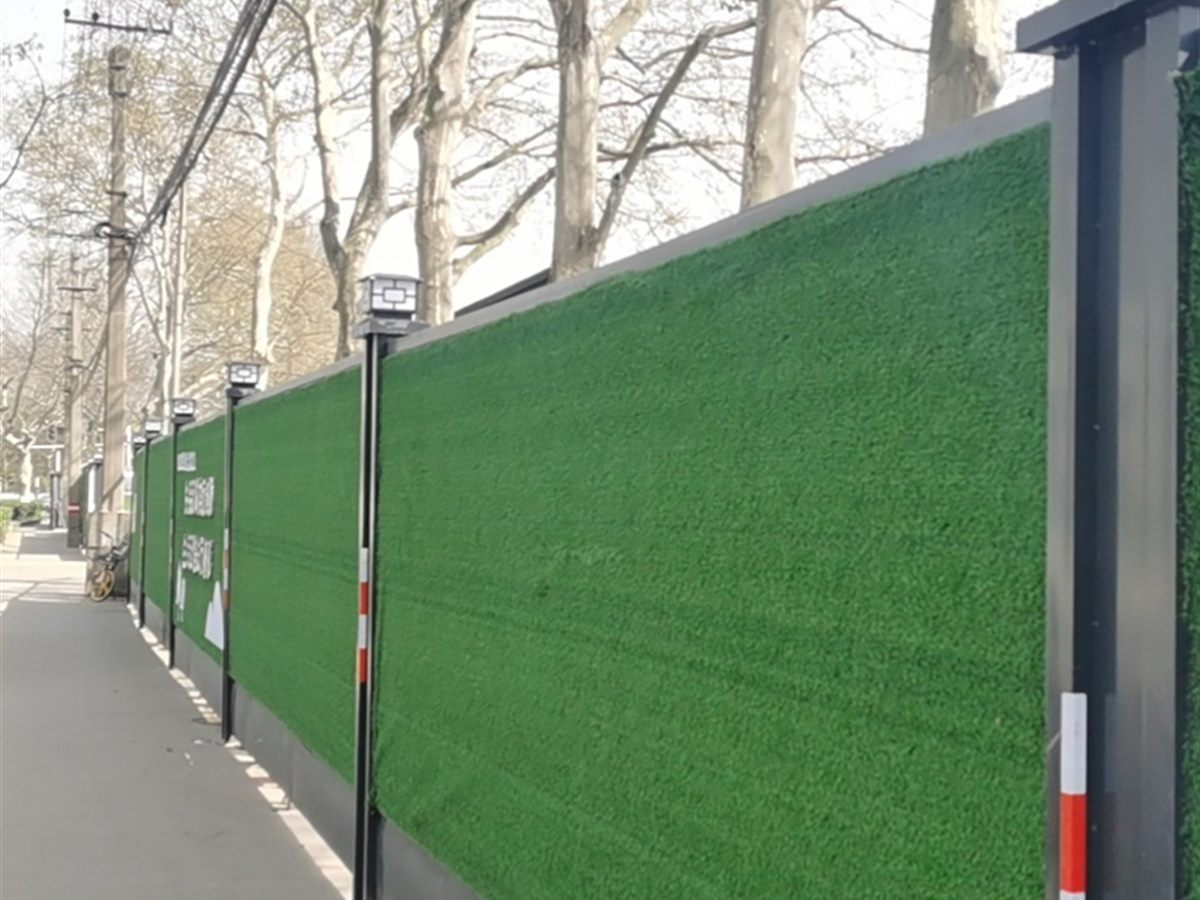
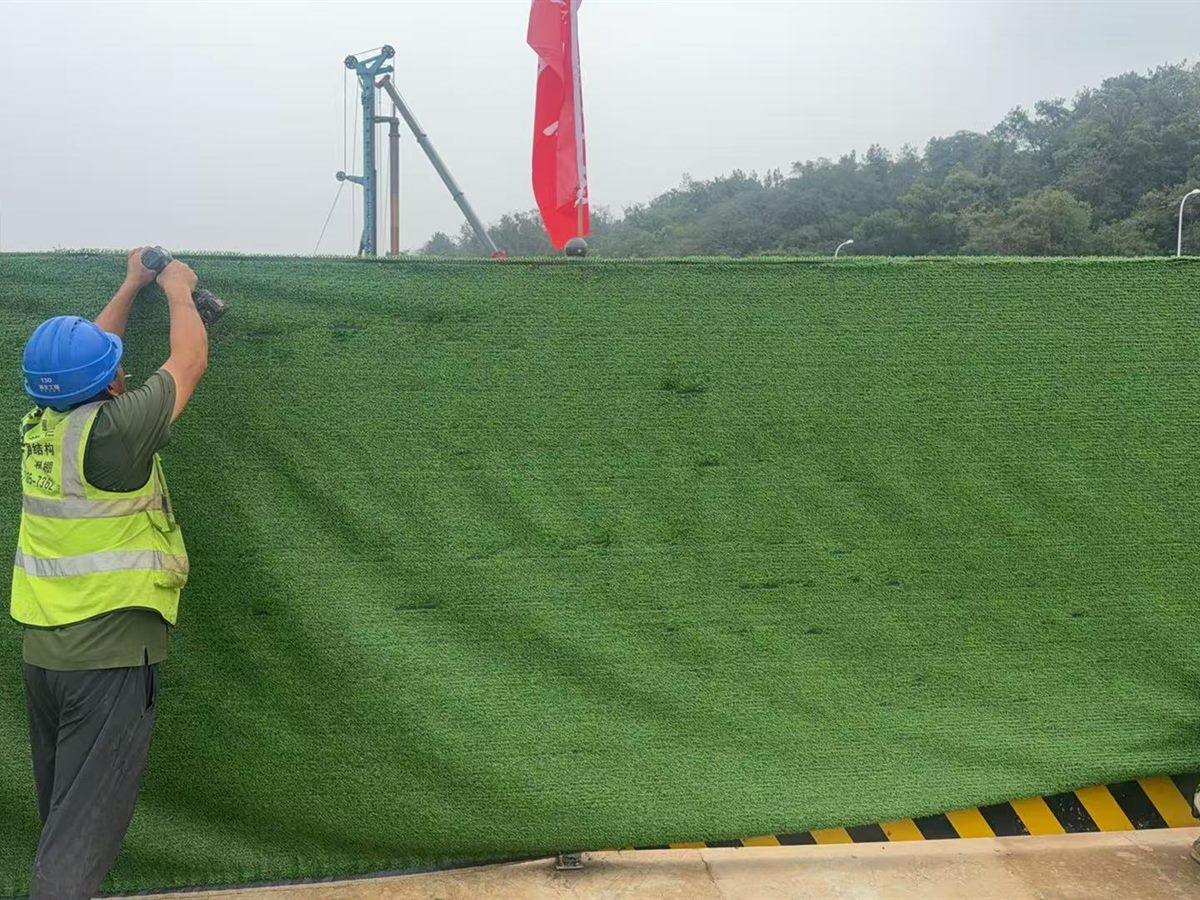
80 × 80 × 0.8 mm coated post, U-section slot 0.6 / 0.25 mm, 0.3 mm grass-green colour-steel panel, 0.4 mm black-yellow PVC warning board, 40 square-tube or L40 brace.
View product → -
Perforated Hoarding
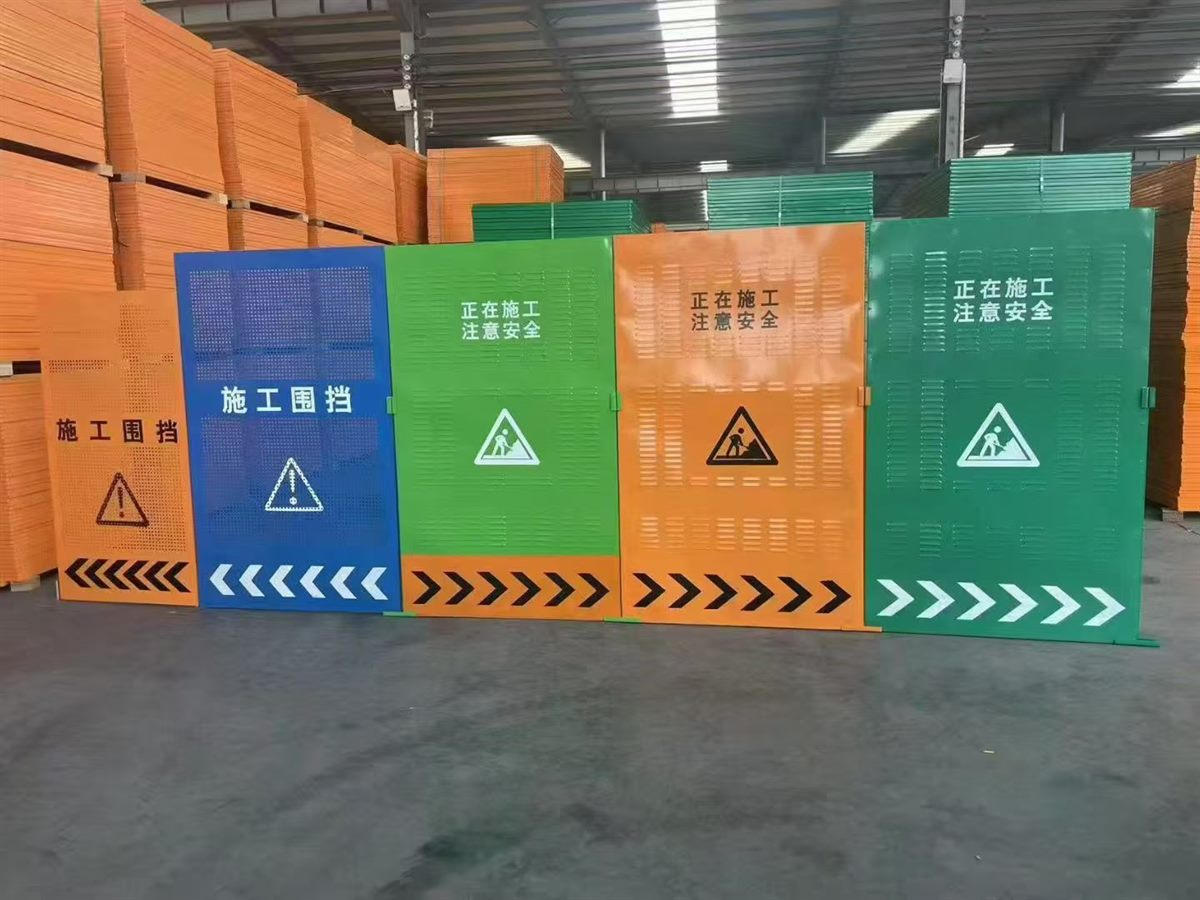
1,200 × 2,000 mm galvanised sheet at 0.5–0.8 mm, Φ10 mm perforations, steel-tube support with a 0.7 mm wall, electrostatic spray finish in the colour you choose.
View product →
Site condition to recommended specification
Every figure in the right-hand column is printed on this site. Where a figure is absent, it is because the manufacturer publishes no fixed value for it and it is confirmed on the order drawing.
| Site condition | Recommended specification | Why it suits |
|---|---|---|
| A city-street frontage that stands for the whole contract | Municipal hoarding: 220 × 300 × 0.9 mm galvanised post, 80 × 80 × 1.0 mm concealed post, 480 mm white over 400 mm grey panel, 50 × 50 × 0.9 mm brace, flange and expansion-bolt fixing | A deep post carries a long unsupported run, the concealed post keeps the face flush, and the bolted foot lets the run come up again |
| A frontage that has to move with the works | Colour-steel hoarding: 80 × 80 × 0.8 mm coated post, 0.6 / 0.25 mm U-section slot, 0.3 mm grass-green colour-steel panel, 40 square tube or L40 brace | The panel slides out of the slot, so the hoarding comes down in whole panels and goes back up on the next section |
| A face that must let wind and daylight through | Perforated hoarding: 1,200 × 2,000 mm galvanised sheet, 0.5–0.8 mm, Φ10 mm perforations, steel-tube support at 0.7 mm wall | The perforated face relieves the panel and still closes the site; the finish is electrostatic spray in your colour |
| A coloured face, with no print | PVC hoarding: 120 × 120 mm PVC post shell over an 80 × 80 × 0.8 mm galvanised core, 20 mm PVC panel in a custom colour, galvanised slot and 40 square-tube brace | A 20 mm PVC board gives a solid coloured face over a galvanised core that carries the load |
| A frontage that has to carry an image | Printed hoarding: 2.5 × 6 m sections, 480 mm printed colour-steel upper panel over a 480 mm green louvred perforated lower panel, 60 mm U-cap | The print is the panel itself, and the louvred lower band keeps the section from reading as a flat wall |
| The ground is neither concrete nor paving | Fixing detail confirmed on the order drawing; the published foot is a flange plate with expansion bolts | The flange and bolt foot is published for concrete or paved surfaces, so a different ground is answered on the drawing rather than assumed |
Six things to settle before the order
- Height is yours to set, not ours to publish. No hoarding on this site prints a run height or a post spacing as a fixed figure. State the height the run must reach and the ground condition, and both are confirmed on the order drawing.
- Decide the fixing before the panel. A flange plate and expansion bolts suit a concrete or paved surface. If the ground is neither, say so at enquiry — it changes the foot, and often the post.
- Colour and print are matched, not guessed. Colour and print are matched to a RAL reference or a physical sample and confirmed on the shop drawing. Send the reference or the artwork with the enquiry.
- Everything arrives bundled by type. Panels, posts, concealed posts, braces and fittings are bundled by type for shipping; banding, pallets and the exact bundle layout come with the loading plan. A hoarding is a set of parts that only works if the parts arrive together.
- No price is published, on this page or any other. Price is quoted per order — FOB Wuhan / Shanghai, CIF or DDP — because it depends on the specification, the quantity and the destination port.
- MOQ, loading and lead time come in one reply. Send the drawing, the quantity and the destination port and the reply carries the specification, the MOQ, the loading plan and the lead time, within one business day.
Four things to send, and what each one decides
What to put in the enquiry
No price figure is published- Drawing or standard
- The drawing, the authority detail or the standard the frontage is written against. It decides the section, the panel and the fixing, and it is the first thing read.
- Quantity
- The run length in metres, with corners, gates and returns counted separately. Every hoarding here is counted from a run, never from a square metre.
- Destination port
- The port the container discharges at, because price and loading plan are quoted per order — FOB Wuhan / Shanghai, CIF or DDP.
- Installation conditions
- The ground the run is fixed to, the height it must reach, and the exposure of the site. These set the post spacing and the brace positions on the order drawing.
Five questions, answered from this site
- What height and post spacing are published for a hoarding run?
- None of the hoardings here publish run height or post spacing as fixed figures. The municipal, colour-steel, PVC and perforated pages all state that height and post spacing are confirmed on the order drawing, against the height you need and the ground condition. What is published is the panel and the structural section: a 480 mm white panel over a 400 mm grey one on the municipal hoarding, a 0.3 mm colour-steel sheet on the colour-steel hoarding, a 20 mm PVC board on the PVC hoarding, and a 1200 × 2000 mm sheet on the perforated hoarding.
- What carries the wind load on a hoarding?
- The post and the brace, not the panel face. The municipal hoarding uses a 220 × 300 × 0.9 mm galvanised post with a 50 × 50 × 0.9 mm square-tube brace and an 80 × 80 × 1.0 mm concealed post at the panel joint. The colour-steel hoarding uses an 80 × 80 × 0.8 mm coated post with a 40 square-tube or L40 brace. The PVC hoarding uses a 120 × 120 mm PVC shell over an 80 × 80 × 0.8 mm galvanised core with a 40 square-tube brace. Post spacing and brace positions are set on the order drawing.
- Can a hoarding face let wind and daylight through?
- Yes, with the perforated hoarding: a 1200 × 2000 mm galvanised sheet at 0.5–0.8 mm thick with Φ10 mm perforations, on a steel-tube support with a 0.7 mm wall, finished by electrostatic spray in the colour chosen on the order.
- Is the hoarding reusable on the next contract?
- The municipal hoarding is bolted down on flange plates with expansion bolts rather than cast in, so it comes up again without cutting the run, and its bands are a standard height, so a run can be extended, shortened or carried to the next contract by re-using posts and panels. The colour-steel hoarding holds its panel in a U-section slot, so it comes down in whole panels.
- Can the frontage carry project graphics?
- Yes. On the municipal hoarding the face is white and grey as published and printed or project-specific graphics are agreed per order. The blue-sky printed hoarding goes further: its 2.5 × 6 m section carries a 480 mm printed colour-steel upper panel over a 480 mm green louvred perforated lower panel, with a 60 mm U-cap.
By application
Three other sites, and what closes each one
A frontage is only one condition. These are the other three the workshop fits out, each read the same way: what the site demands first, then the product that answers it.
-
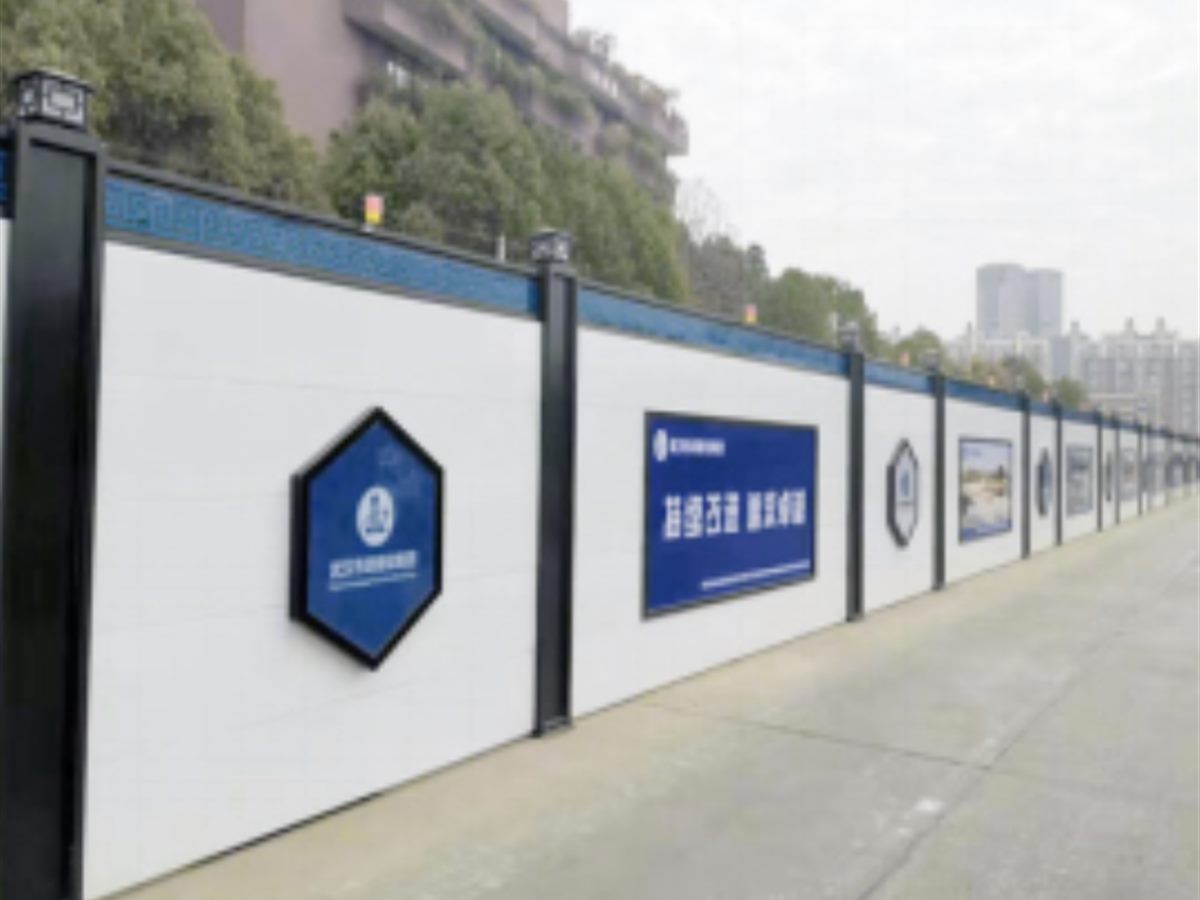
Municipal Road Works Fencing
Closing a carriageway, diverting traffic and keeping the works and the public apart on a live road.
View application → -
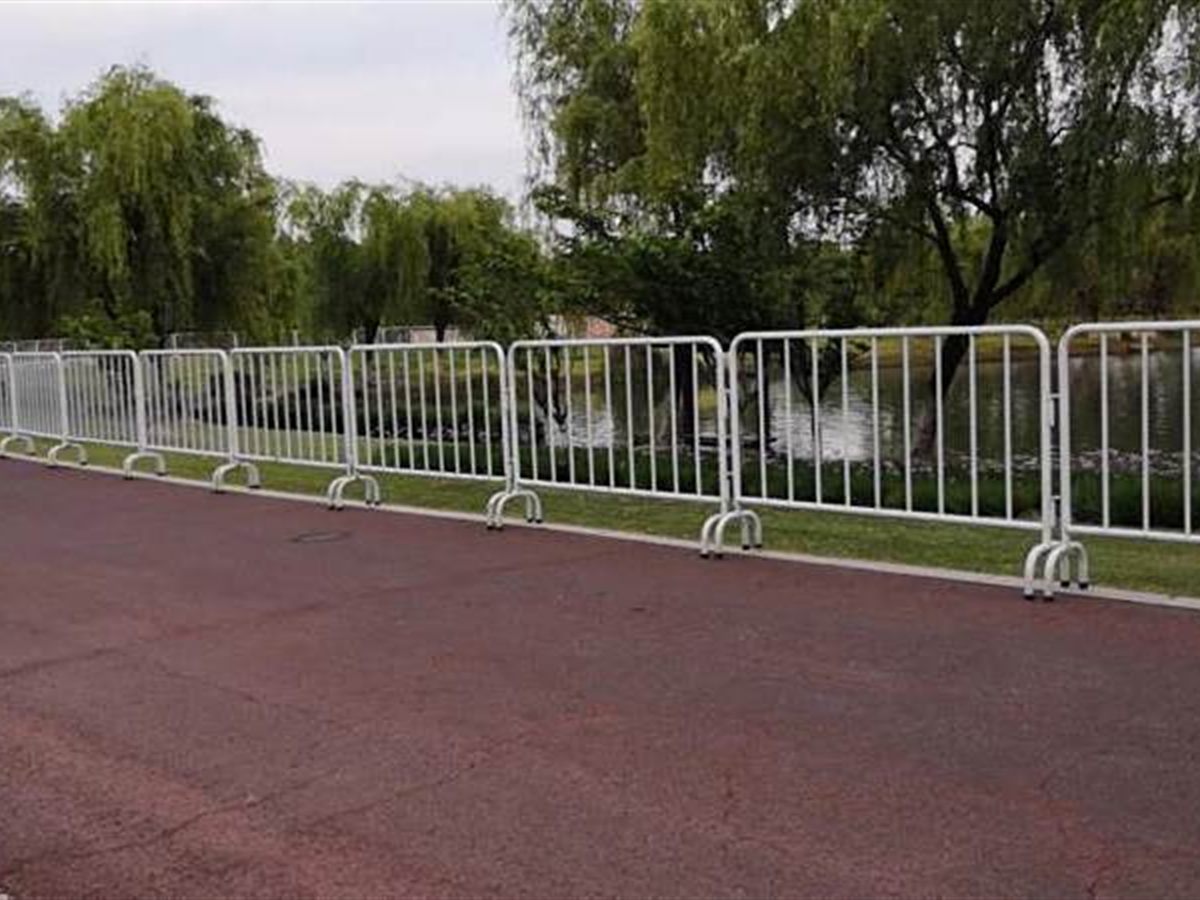
Event and Crowd Control Barriers
Queues, ticket lines, pedestrian routes and event perimeters held by interlocking sections on removable feet.
View application → -
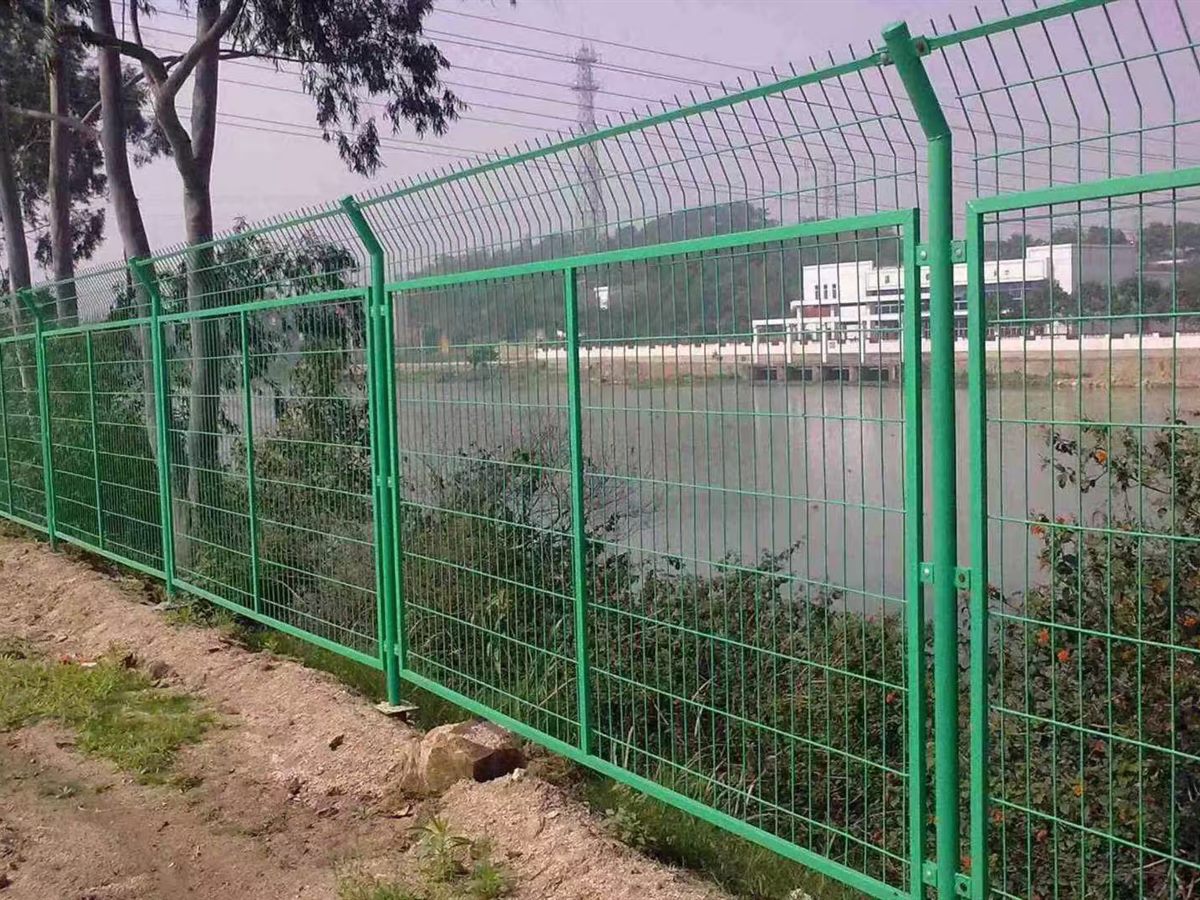
Warehouse and Yard Separation Fencing
Dividing a yard, a plant or a warehouse boundary where the fence has to hold a long line and stay climb-resistant.
View application →
Related products
Three more products a construction frontage uses
One workshop, one drawing set. Each plate opens the product page for that item.
-
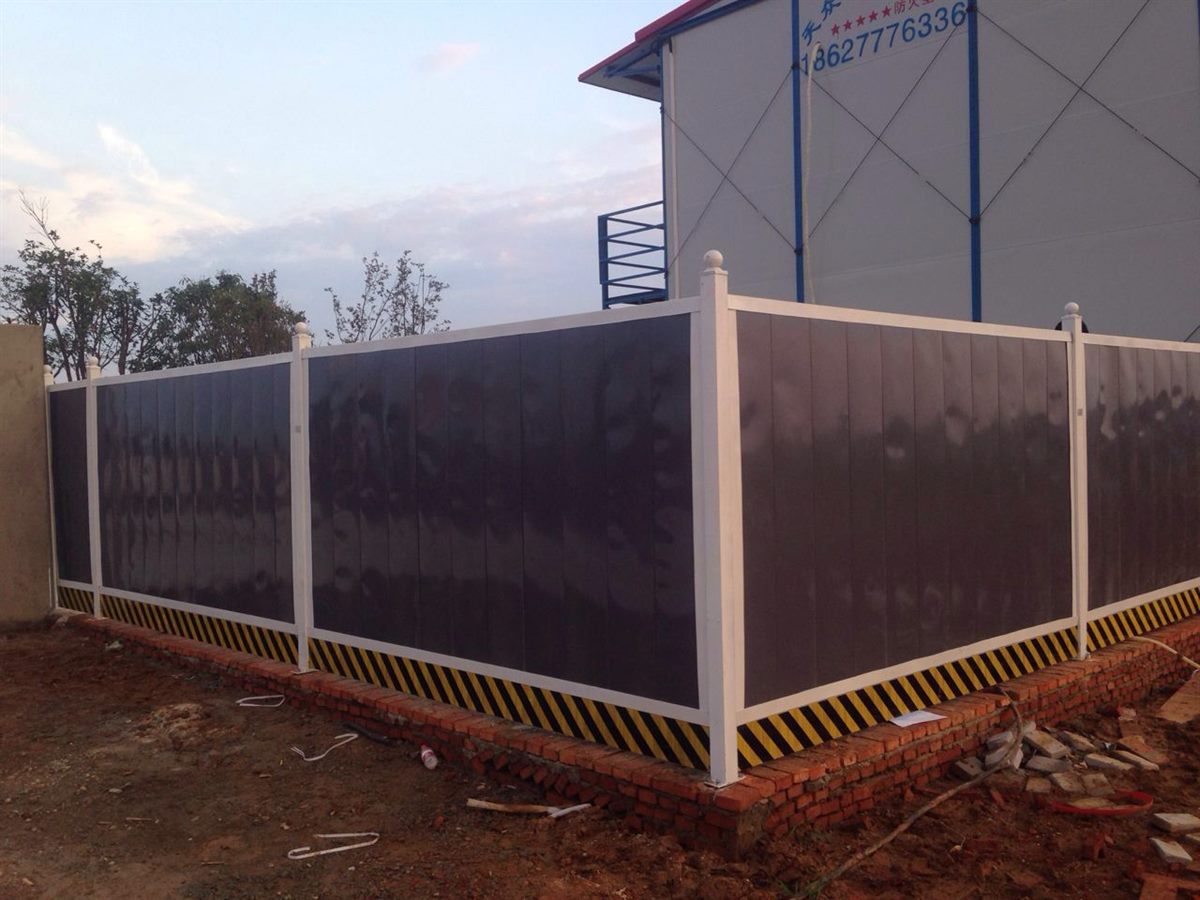
PVC Hoarding
A 20 mm PVC board in the colour you specify over a 120 × 120 mm PVC shell and an 80 × 80 × 0.8 mm galvanised core.
View product → -
Blue-Sky Printed Hoarding
2.5 × 6 m sections: a 480 mm printed upper panel over a 480 mm green louvred perforated lower panel.
View product → -
Temporary Mesh Fence
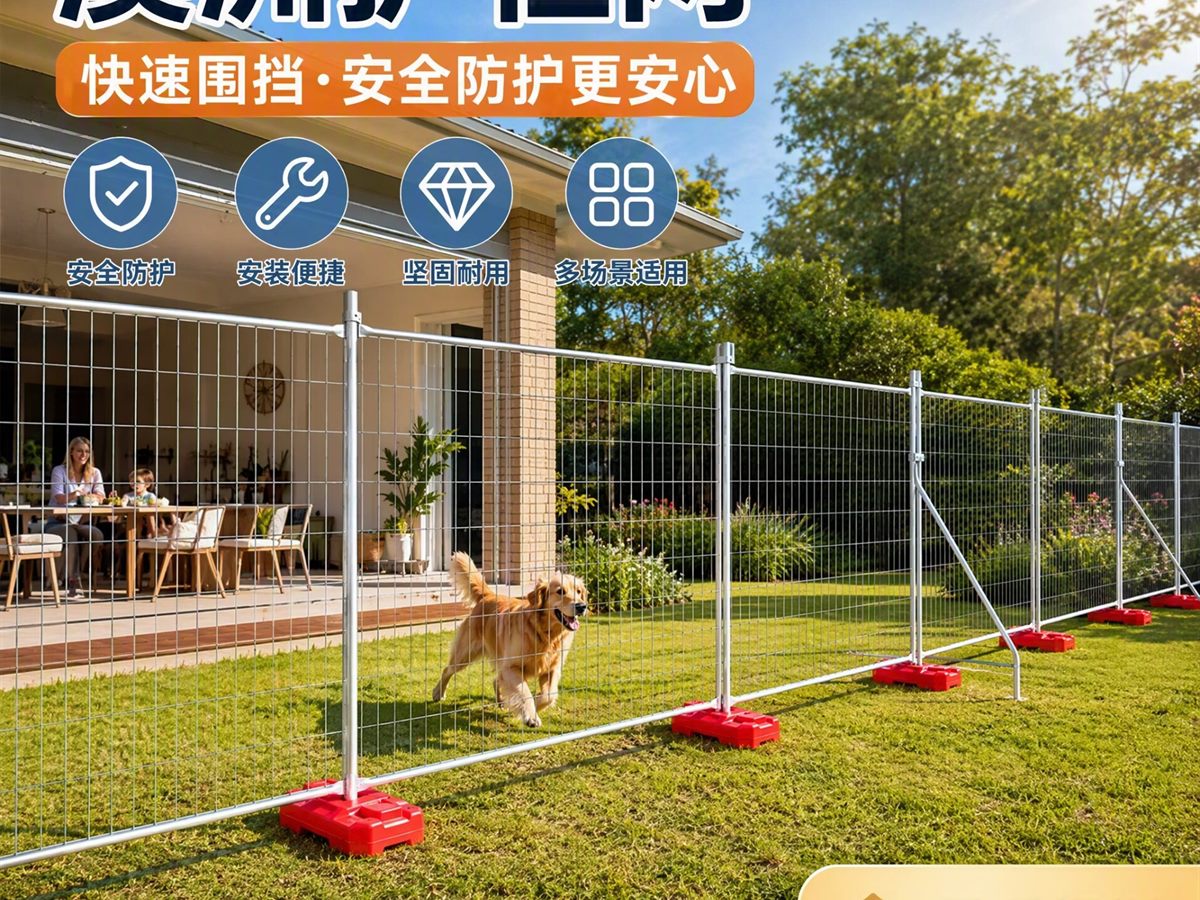
Movable panels 1.0–2.0 m high and 2.0–3.0 m wide, on feet, lifted and re-positioned by hand inside the works.
View product →
Next step
Send the frontage length, the height and the ground
Tell us how long the run is, the height it must reach, what the ground accepts as a fixing, whether the face stays plain or takes print, and the destination port. We reply within one business day with the specification, the MOQ, the loading plan and the lead time in writing.