
By application · a boundary that works
Warehouse and yard separation fencing: dividing the ground the goods move over
A yard boundary has two jobs in one line. Inside, it separates the part of the ground that vehicles and people may use from the part they may not. Outside, it is the site's face to the road. Which of those the fence has to answer first decides whether the order is framed mesh panels, a Y-post line, or a mesh line with a topping on it — and all three are made in the same workshop to the same drawing discipline.
On this page: what a working yard boundary has to do (01), three recommended configurations with their published figures (02), a selection table from site condition to specification (03), six procurement notes (04), the enquiry checklist (05), and five questions answered only from what this site publishes (06).
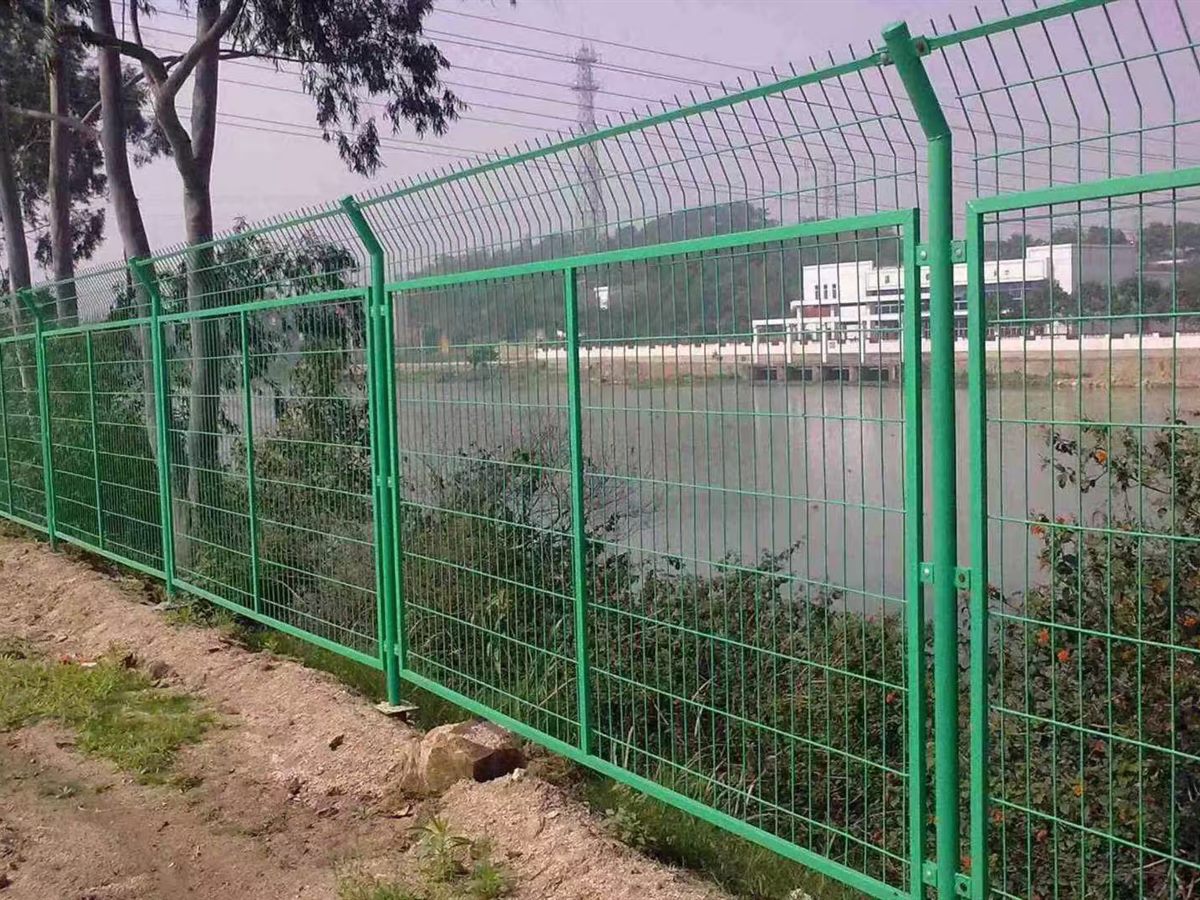
A long line, a hard edge, and a fence that does not sag
The run is long, so the panel has to hold itself. A yard boundary is measured in hundreds of metres, and a plain roll of mesh will sag between posts over that distance. The framed mesh fence answers it structurally: welded mesh set into a 20 × 30 mm or 20 × 40 mm rectangular tube frame, bolted to the posts, so a long panel keeps its shape instead of relying on tension alone. Panels are published at 1500 × 2500, 1700 × 2500, 1800 × 2500, 1800 × 3000 and 2000 × 3000 mm.
The aperture and the wire are the specification. What the fence keeps in or out is set by the mesh, not by the paint. On the framed panels the published apertures are 50 × 100, 75 × 150, 50 × 200, 60 × 150 and 80 × 160 mm, and wire runs from ø2.5 to ø6.0 mm — most often ø3.0, ø3.2, ø3.5, ø3.8 or ø4.0. Post type follows the load: ø48 mm round tube with a 1.0, 1.2, 1.5 or 2.0 mm wall, or square tube at 40 × 40, 60 × 60, 40 × 60 or 80 × 80 mm with a 0.8–2.0 mm wall.
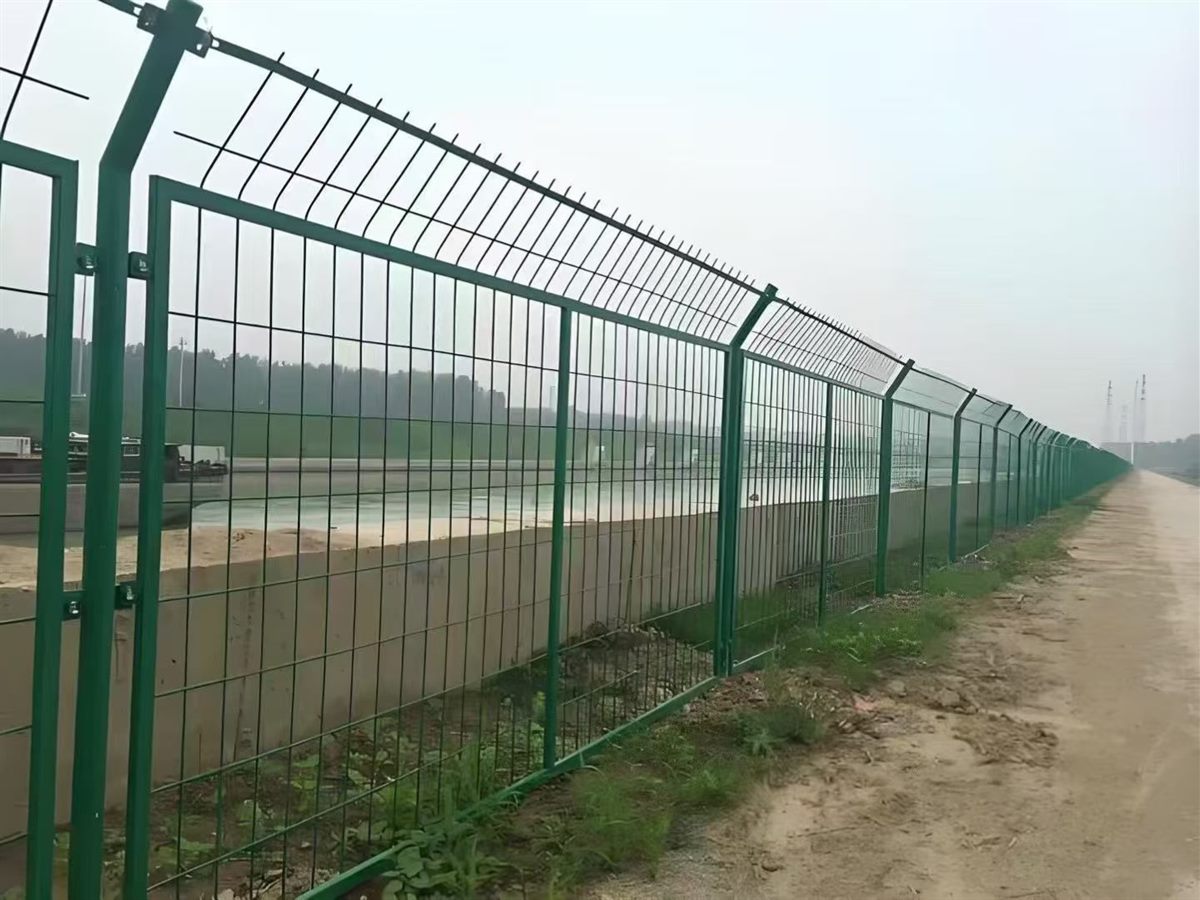
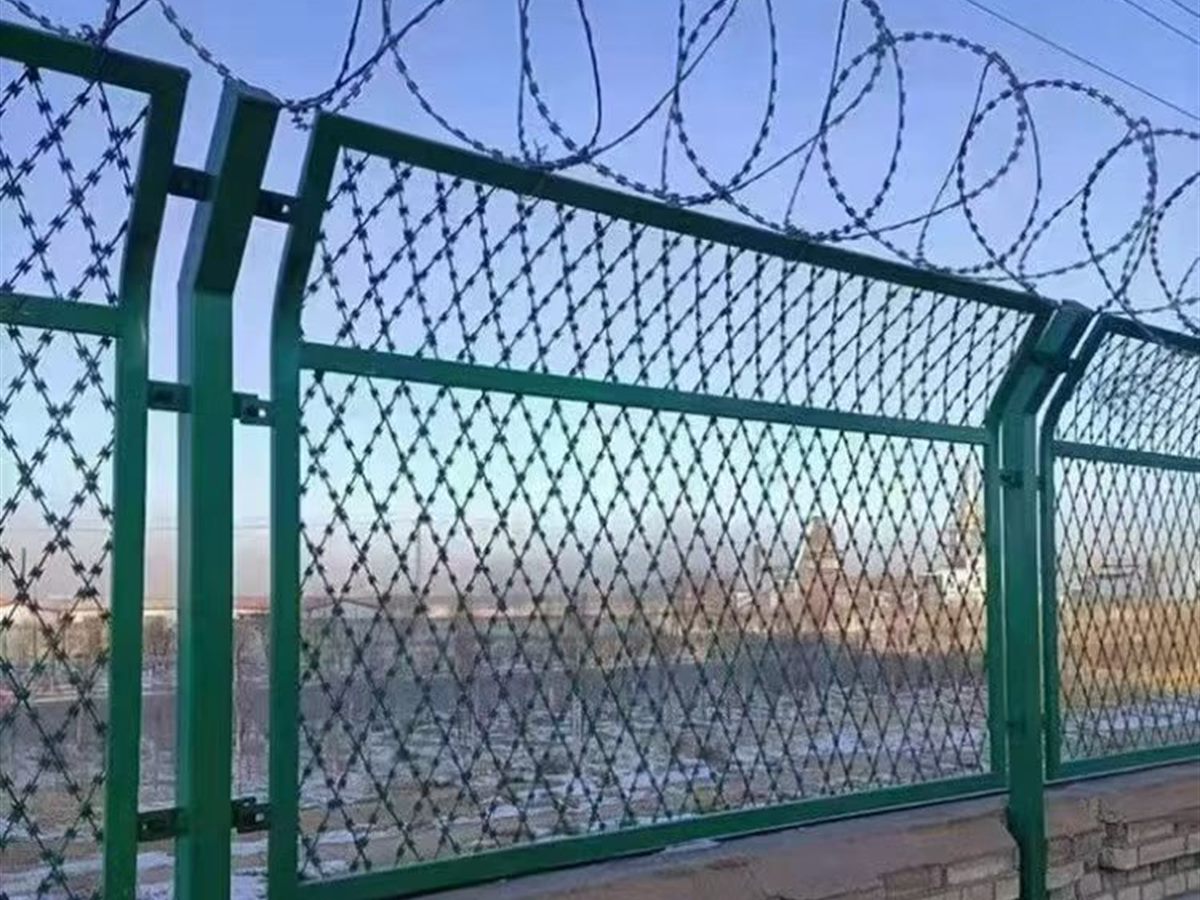
Where the boundary is a security line, the top of the fence matters as much as the mesh. The anti-climb Y-post fence carries its panel in the fork of a Y-shaped post with an angled head: no continuous top rail along the line and no flat post cap to take hold of, with the head bent out over the fence line so there is no straight, reachable edge at the top of the panel. That is a structural answer to climbing, and it is also where a topping goes — concertina razor wire, flat-wrap razor wire or barbed wire can be fixed in the angled head above the mesh.
And the honest limit of all three. No security rating and no certification is claimed for the Y-post fence, and none for the razor wire. The pages state structure and application; the standard the project is designed to, and the buyer's acceptance of it, govern the perimeter. That is worth knowing before the specification is written, because a fence that is claimed to be nothing more than what it is can still be the right fence.
Three lines a yard boundary is built from
The framed panel is the general line, the Y-post fence is the security line, and the topping is the addition that goes on top of either. They are quoted as one programme.
-
Framed Mesh Fence
Frame 20 × 30 or 20 × 40 mm at a 0.8–1.5 mm wall; apertures 50 × 100 to 80 × 160 mm; wire ø2.5–6.0 mm; ø48 mm round or 40–80 mm square posts.
View product → -
Anti-Climb Y-Post Fence
Welded mesh panel in the fork of a Y-shaped post, no top rail along the line, head angled out over the fence line; optional razor or barbed wire in the head.
View product → -
Razor Wire
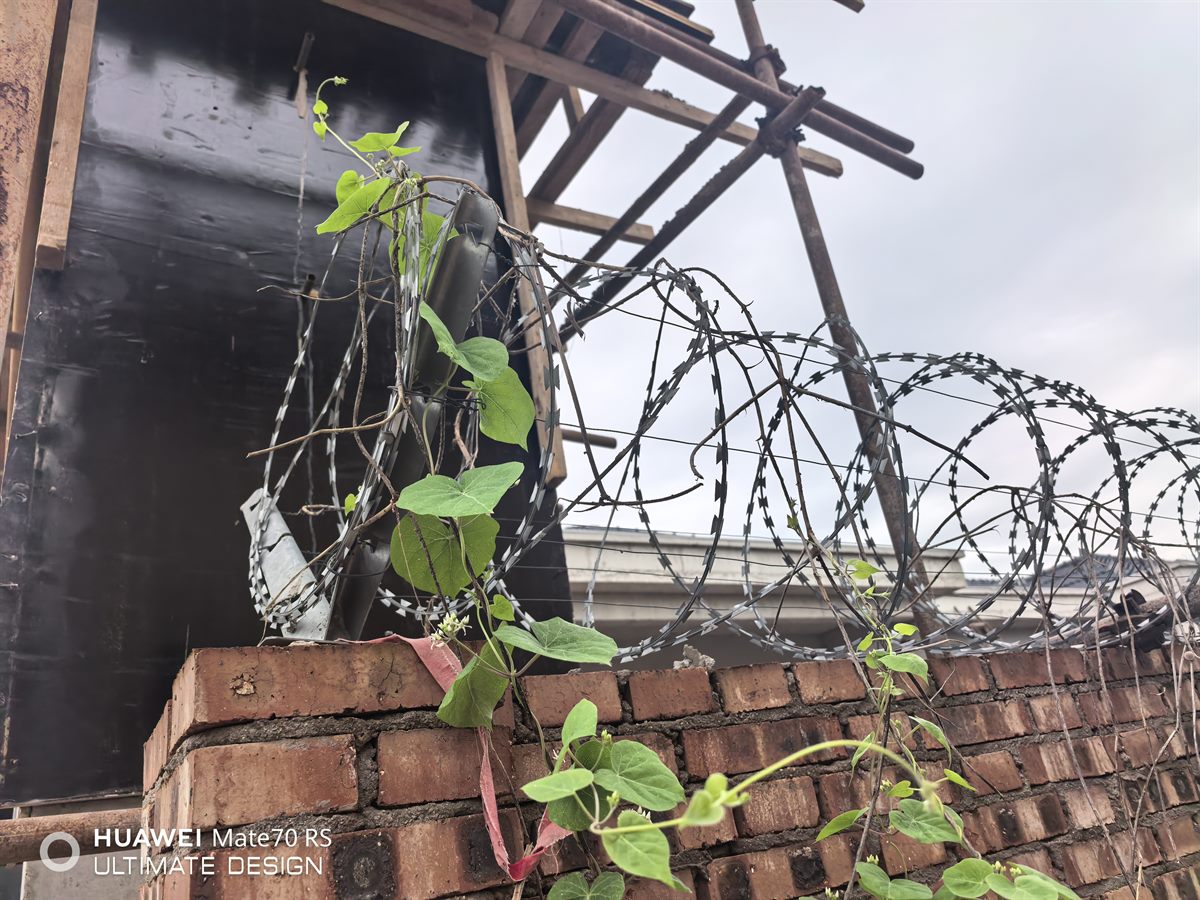
Blade strip on a high-tensile core wire in concertina or flat-wrap coils, galvanised or stainless; barbed wire as the lighter alternative.
View product →
Site condition to recommended specification
Every figure in the middle column is printed on a product page on this site. Where a figure is absent — post spacing, blade size, coil diameter — it is because the manufacturer publishes no fixed value and it is confirmed per order.
| Site condition | Recommended specification | Why it suits |
|---|---|---|
| A long yard or plant boundary that must not sag | Framed mesh fence: frame 20 × 30 or 20 × 40 mm, wall 0.8 / 1.0 / 1.2 / 1.5 mm; panels 1500 × 2500 to 2000 × 3000 mm; aperture 50 × 100 to 80 × 160 mm; wire ø2.5–6.0 mm | The welded panel is set into a tube frame and bolted to the posts, so a long panel keeps its shape |
| A boundary where the posts must be chosen for the load | ø48 mm round post at 1.0 / 1.2 / 1.5 / 2.0 mm wall, or square post 40 × 40, 60 × 60, 40 × 60 or 80 × 80 mm at 0.8–2.0 mm wall | Post section and wall are published as a range, and post spacing is confirmed against the drawing |
| A high-value yard where climbing is the risk | Anti-climb Y-post fence: panel in the fork of a Y-shaped post, no continuous top rail, angled head bent out over the fence line | There is no flat cap or top rail to take hold of, and the angled head carries a topping |
| A line that has to carry a topping | Concertina razor wire or flat-wrap razor wire in the angled head above the mesh; galvanised or stainless blade strip on a high-tensile core; barbed wire as the lighter alternative | Blade dimensions, coil diameter and brackets are confirmed per order, because the manufacturer prints no figures for them |
| A boundary the street reads first | Peach-post mesh fence: welded mesh panel on peach-shaped posts, finish hot-dip galvanised, powder coated or PVC dipped | Published applications are residential perimeters, schools, industrial plants and roads |
| A pedestrian line inside the yard | Zinc-steel perimeter railing: 1.2–2.0 m high × 3 m sections, 2–4 rail levels, 50 × 50 / 40 × 40 mm posts and rails, 19 × 19 mm bars | Hot-dip galvanised and powder coated, assembled without welding, for a walkway rather than a security line |
Six things to settle before a yard order
- Give the run with the corners and the gates. A yard boundary is counted from a run: length, corners, returns and gate openings. Gates, corner posts, end posts and brackets are quoted with the fence, and the exact set is confirmed per specification.
- Fix the aperture before the finish. The aperture sets what the fence keeps in or out, and it is chosen from 50 × 100, 75 × 150, 50 × 200, 60 × 150 or 80 × 160 mm on the framed panels. The finish — hot-dip galvanised, electrostatic spray or PVC dipped — is decided after it.
- Say what the ground will take. Post spacing is confirmed against the drawing or the buyer's standard, and the footing or base detail follows the ground. Clamps, clips, tension bands, base plates or concrete footings are all published fixings; the ground decides.
- Toppings are quoted per order. Razor wire is supplied in coils with brackets chosen for the fence, wall or gate it is fixed to, and the blade dimensions and coil diameter are confirmed per order. The page claims no certification for it.
- Everything is bundled and palletised. Panels, posts and fittings are bundled and palletised for container loading; mesh panels, posts and topping coils likewise. The exact packing method comes with the loading plan.
- No price is published. Price is quoted per order — FOB Wuhan / Shanghai, CIF or DDP — because it depends on the specification, the quantity and the destination port. MOQ, loading plan and lead time are confirmed in the same reply, within one business day.
Four things to send, and what each one decides
What to put in the enquiry
No price figure is published- Drawing or standard
- The site layout or the standard the fence is written against. It decides the panel size, the post section and the post spacing, all of which are confirmed against the drawing.
- Quantity
- The run length in metres, with corners, gates and returns counted separately, and the quantity of topping coils if a topping is specified.
- Destination port
- The port the container discharges at, because price and loading plan are quoted per order — FOB Wuhan / Shanghai, CIF or DDP.
- Installation conditions
- The ground the posts are set in, the height the line must reach, and whether the boundary is a separation line or a security line. These decide the post, the footing and whether the order needs a Y-post fence at all.
Five questions, answered from this site
- Which panel sizes are published for a framed mesh fence?
- The framed panels are published at 1500 × 2500, 1700 × 2500, 1800 × 2500, 1800 × 3000 and 2000 × 3000 mm, at a mesh aperture of 50 × 100, 75 × 150, 50 × 200, 60 × 150 or 80 × 160 mm. The frame is 20 × 30 mm or 20 × 40 mm rectangular welded tube with a 0.8, 1.0, 1.2 or 1.5 mm wall.
- Which posts go with a framed panel?
- Round or square. Round posts are ø48 mm tube with a 1.0, 1.2, 1.5 or 2.0 mm wall; square posts are 40 × 40, 60 × 60, 40 × 60 or 80 × 80 mm with a 0.8–2.0 mm wall. Post spacing is confirmed against the drawing rather than assumed.
- What makes the Y-post fence anti-climb?
- The welded mesh panel is carried in the fork of a Y-shaped post with an angled head, so there is no continuous top rail along the fence line and no flat post cap to take hold of. The head is bent out over the fence line so a climber has no straight, reachable edge at the top of the panel. Optional concertina razor wire, flat-wrap razor wire or barbed wire can be fixed in that head above the mesh.
- Is any security rating or certification claimed?
- None. The anti-climb Y-post page states that no security rating and no certification is claimed for the fence, and the razor-wire page states that no certification is claimed for the product. Structure and application are stated; the standard the project is designed to, and the buyer's acceptance of it, govern the perimeter.
- Where is the Y-post fence used?
- As published: airports and airfields, prisons and detention facilities, substations and switchyards, fuel depots, warehouses and logistics yards, water treatment sites, industrial plants and other high-security perimeters.
By application
Three other sites, and what closes each one
A yard boundary is one condition. These are the other three, read the same way: what the site demands first, then the product that answers it.
-
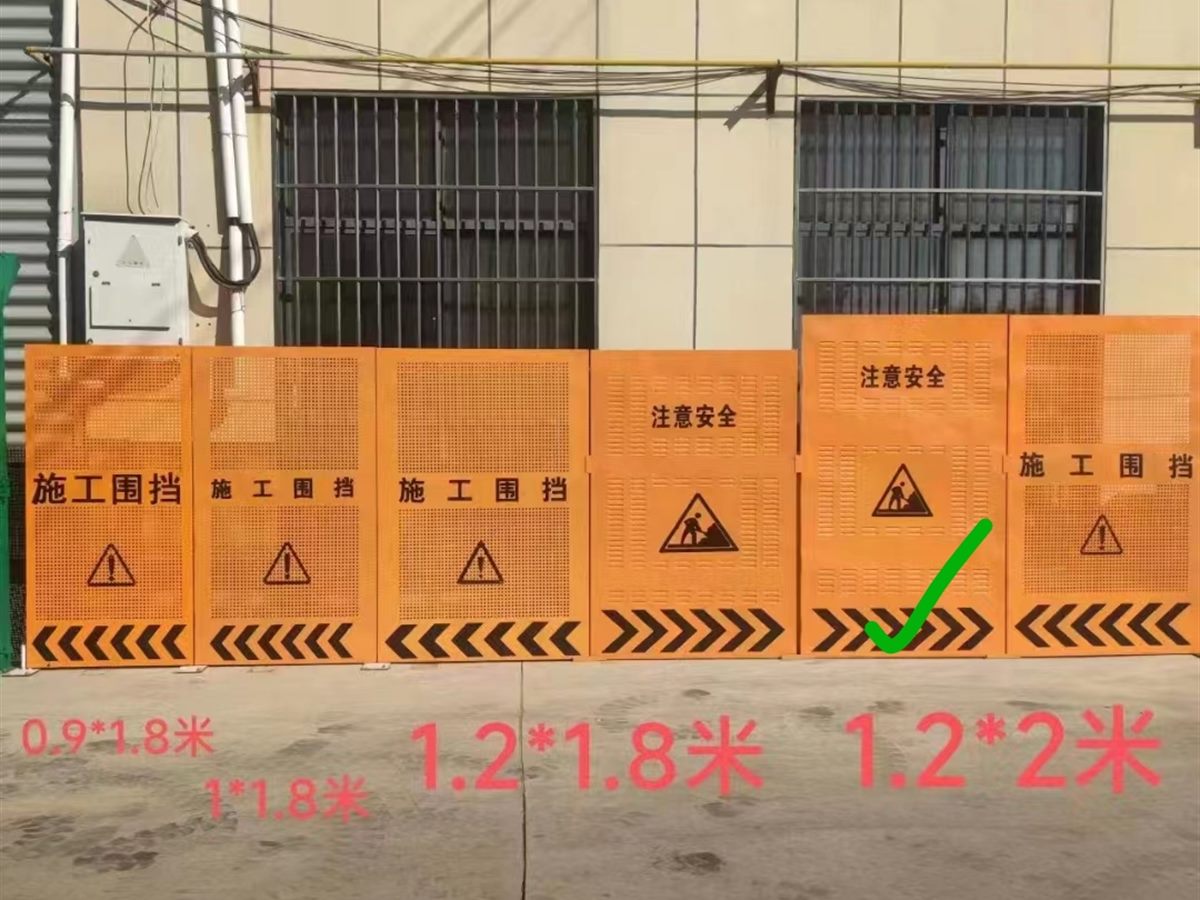
Construction Site Hoarding
The frontage that stays up for a whole contract, in municipal, colour-steel, PVC or perforated hoarding.
View application → -
Municipal Road Works Fencing
Closing a carriageway, diverting traffic and keeping the works and the public apart on a live road.
View application → -
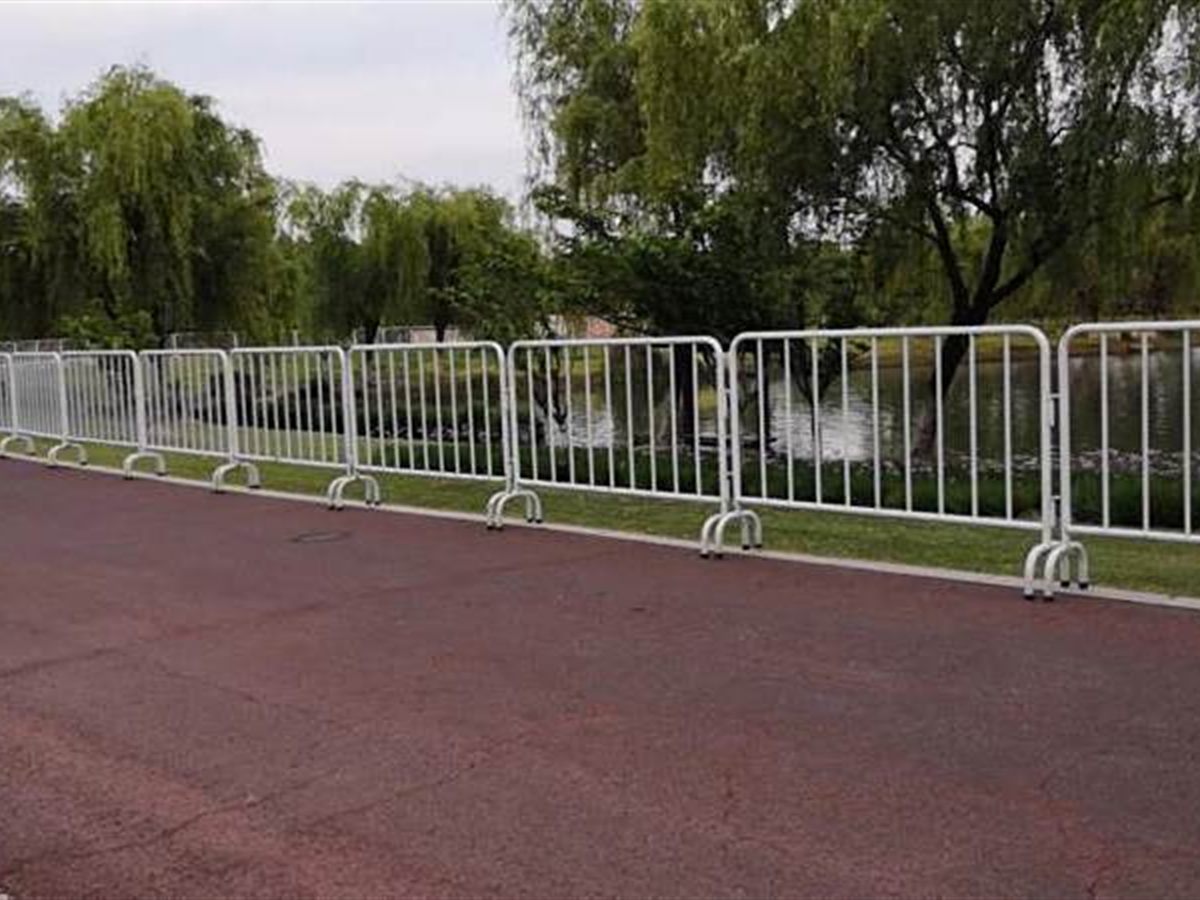
Event and Crowd Control Barriers
Queues, ticket lines, pedestrian routes and event perimeters held by interlocking sections on removable feet.
View application →
Related products
Three more products a yard boundary uses
One workshop, one drawing set. Each plate opens the product page for that item.
-
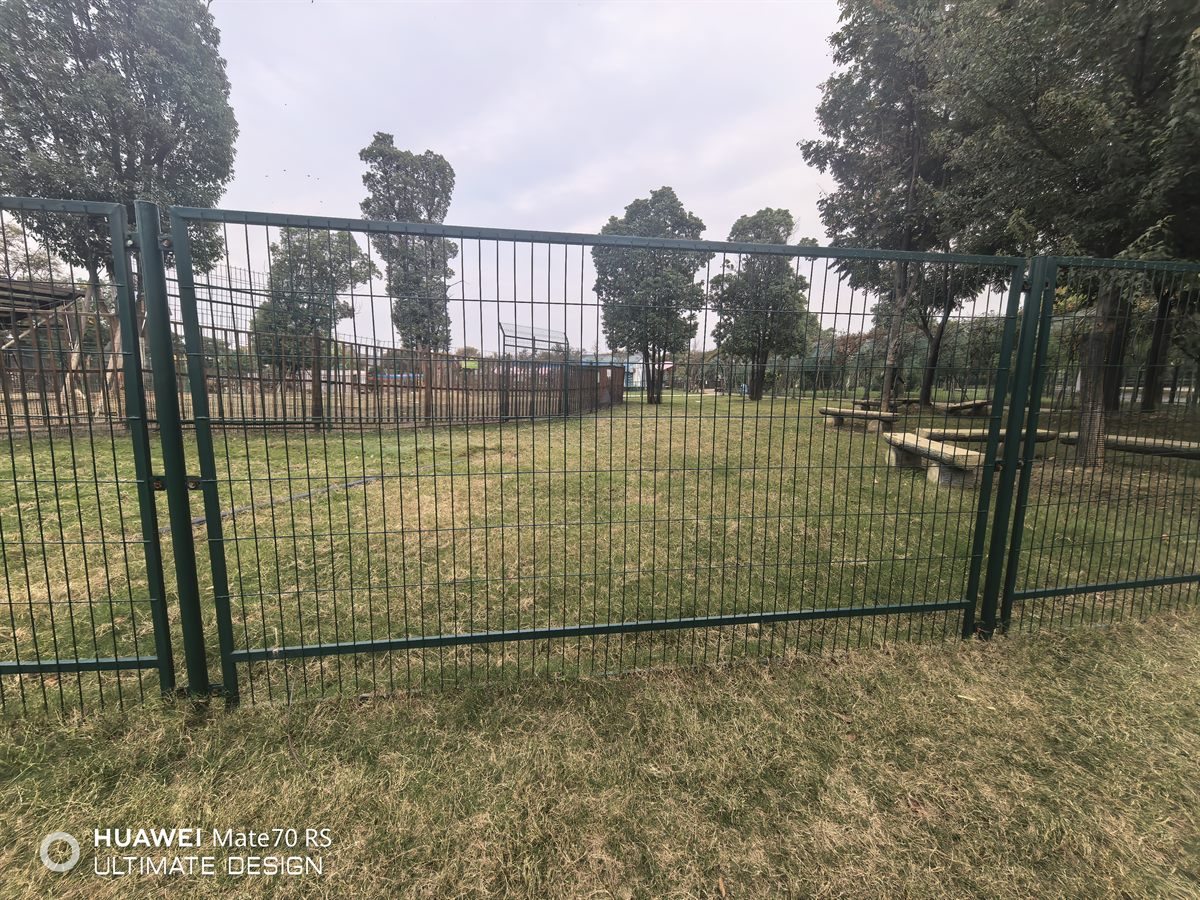
Peach-Post Mesh Fence
Welded panels on peach-shaped posts with matching caps and clips, for a boundary the street reads first.
View product → -
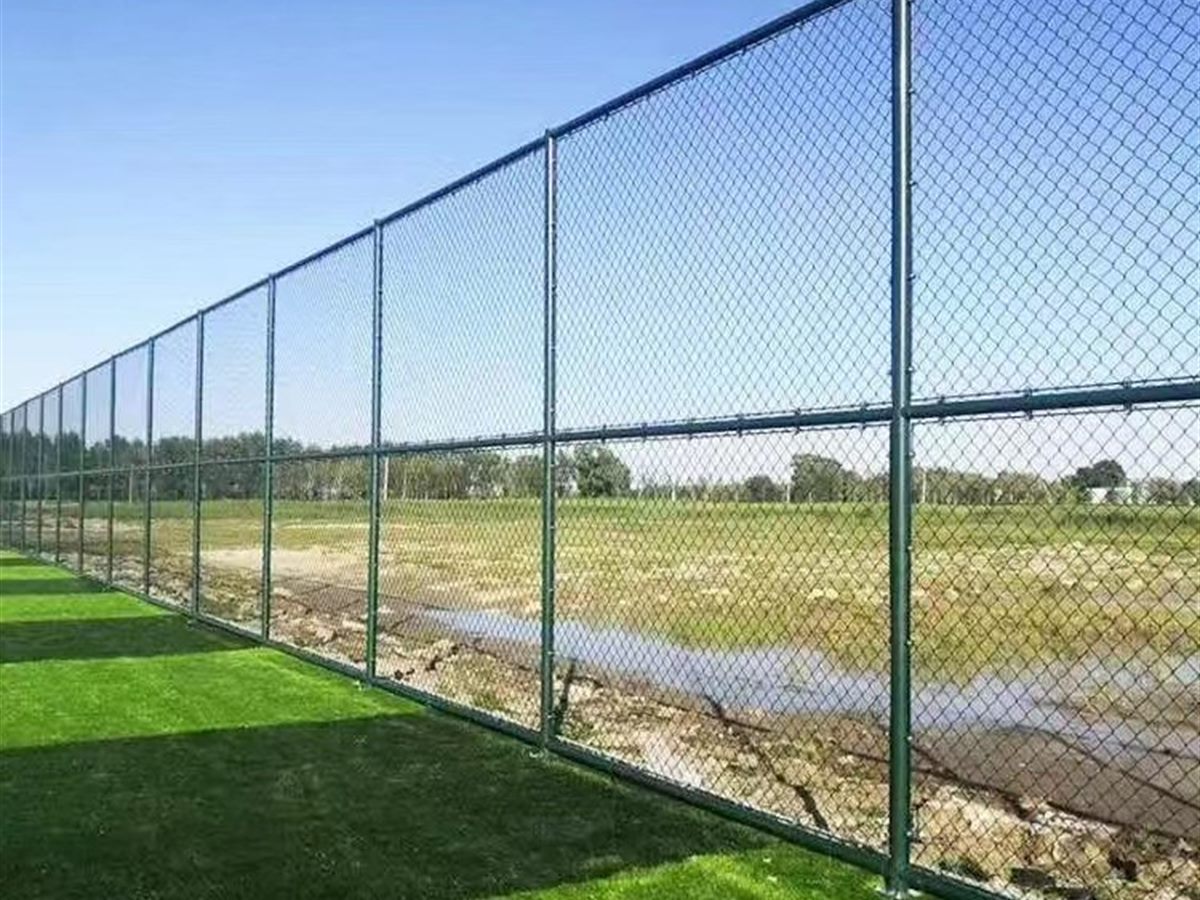
Chain-Link Fence
Woven diamond mesh at 50 × 50, 60 × 60 or 70 × 70 mm with 1.5–4 mm wire, on square or round posts.
View product → -
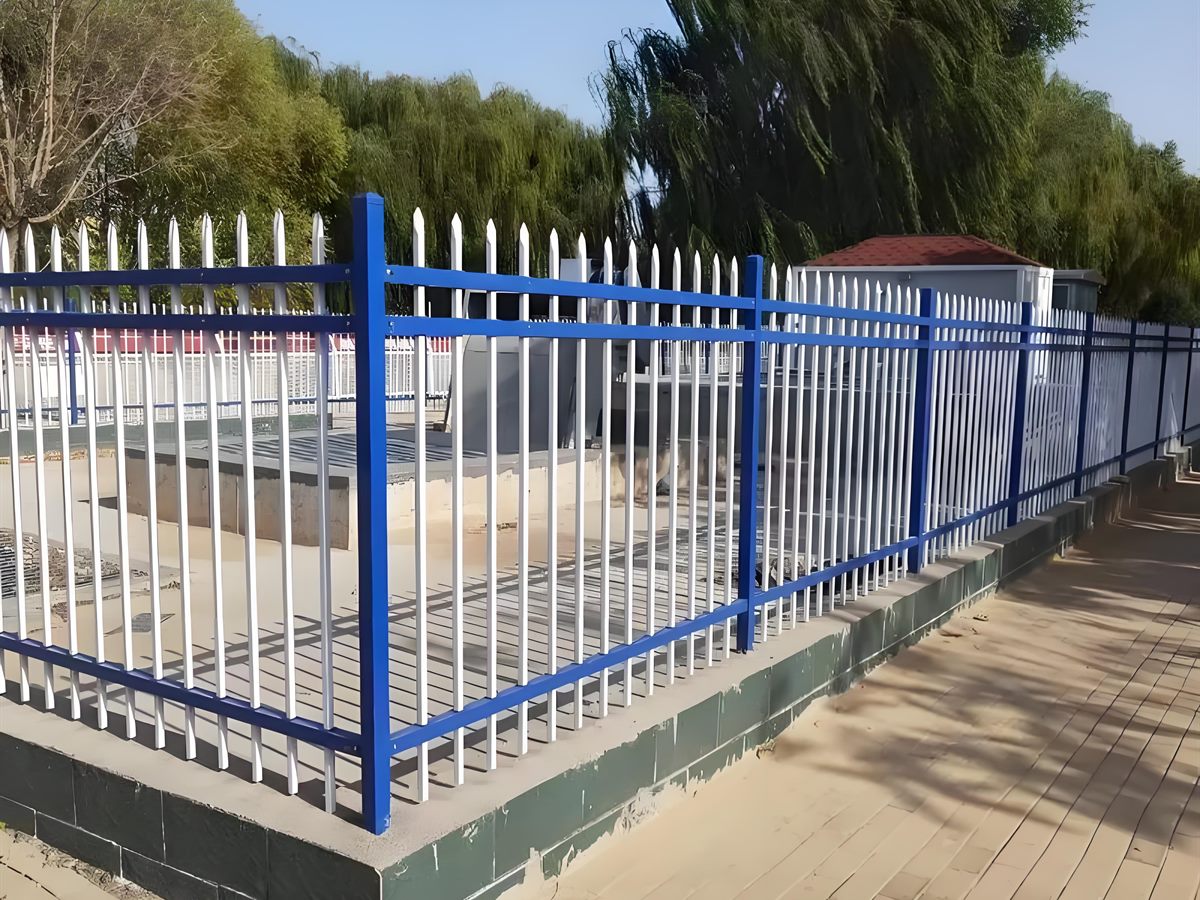
Zinc-Steel Perimeter Railing
1.2–2.0 m × 3 m sections, 2–4 rail levels, hot-dip galvanised and powder coated, assembled without welding.
View product →
Next step
Send the layout, the aperture and the ground
Tell us the run length with the corners and gates, the aperture and wire the fence has to hold, whether the line is a separation line or a security line, what the ground takes as a footing, and the destination port. We reply within one business day with the specification, the MOQ, the loading plan and the lead time in writing.